





Why Local Matters More in Monsoon
Eating local is always a good idea, but its importance is magnified during the rainy season. Local produce travels shorter distances, meaning it's fresher and retains more nutrients by the time it reaches you. More importantly, it reduces the risk of
contamination that comes with long-haul transportation and storage in damp conditions, which can encourage fungal and bacterial growth. Seasonal foods are nature’s way of providing exactly what our bodies need for the climate. Monsoon produce is often packed with Vitamin C and other antioxidants, which are crucial for fighting off the infections that are common during this time. By choosing ingredients grown in your region, you're aligning your diet with the environment, leading to better digestion and stronger immunity.
Your Monsoon Vegetable Basket
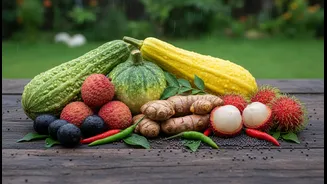
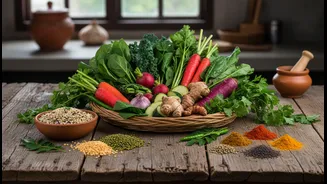
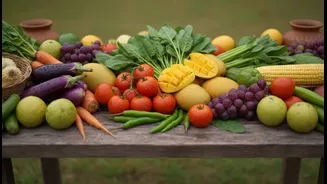
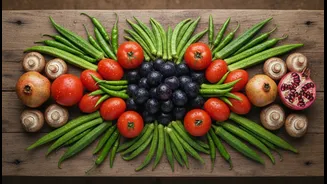
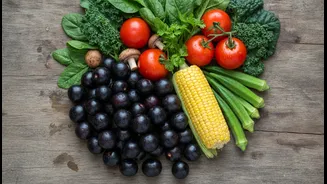
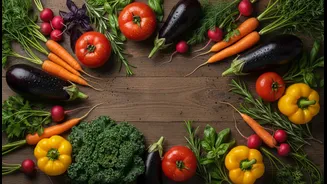
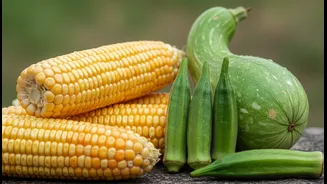
The monsoon harvest is rich with vegetables that are perfectly suited for the season. Gourds are the undisputed stars. Varieties like bottle gourd (lauki), ridge gourd (turai), bitter gourd (karela), and pointed gourd (parwal) are light, easy to digest, and grow abundantly. Other excellent choices include okra (bhindi), cucumber, and corn (bhutta), which is a seasonal favourite for a reason—it's high in fibre and antioxidants. While it's wise to be cautious with leafy greens due to the risk of contamination from damp soil, cooking them thoroughly can mitigate this risk. According to Ayurvedic principles, warm, cooked meals are preferable during the monsoon as they are easier on the digestive system, which is believed to be weaker during this season.
Immunity-Boosting Monsoon Fruits
The fruit basket changes dramatically with the rains, offering a new palette of flavours and health benefits. Jamun, the quintessential monsoon fruit, is excellent for managing blood sugar and is rich in iron and Vitamin C. Plums (aloo bukhara), peaches, and cherries also make their appearance, loaded with antioxidants that help fight inflammation. Pears (nashpati) are another fantastic choice, offering a great dose of fibre and Vitamin C. Litchis, which arrive at the tail end of summer and the beginning of the monsoon, contain compounds with antiviral properties. These fruits provide the natural sugars your body needs for energy while also delivering a powerful punch of vitamins to keep seasonal flu and colds at bay.
Your Kitchen Pharmacy: Spices and Herbs
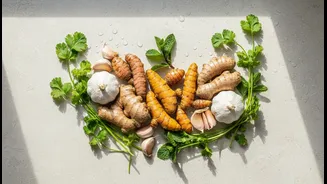
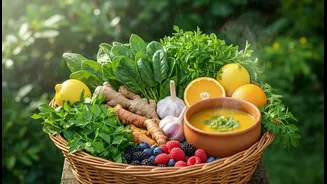
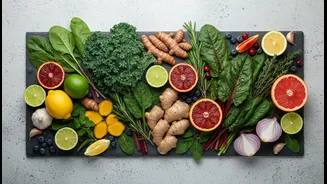
Indian kitchens are already treasure troves of powerful spices, and they become even more essential during the monsoon. Ginger, turmeric, garlic, and black pepper are not just for flavour; they are potent digestive aids and immune boosters. A warm cup of ginger tea can soothe a sore throat and improve digestion, while turmeric is celebrated for its anti-inflammatory and antiseptic qualities. Incorporating these spices into daily meals like soups, dals, and vegetable preparations can help strengthen your digestive fire (Agni), which Ayurveda says is crucial for staying healthy during the damp, cool weather. Simple, warm, and lightly spiced foods like khichdi are considered ideal monsoon meals.
Foods to Approach With Caution
Just as important as what you eat is what you limit. During the monsoon, it's advisable to reduce consumption of raw foods, especially leafy green salads, as they can harbour germs from contaminated soil and water. Street food, particularly items like pani puri that use unboiled water, poses a higher risk of water-borne diseases. It's also a good idea to be cautious with seafood, as this is the breeding season for many fish, and the risk of contamination is higher. Heavy, deep-fried foods can also be hard on a sluggish digestive system, so while a hot pakora is tempting, moderation is key. Opting for home-cooked meals using fresh ingredients gives you complete control over hygiene and preparation.