





The Rise of the Micro-Holiday Economy
The traditional two-week vacation is being replaced by what the travel industry calls the “Micro Holiday Economy”. Instead of saving up all their leave for one big trip, Indians are now embedding travel into their regular lifestyle through multiple, shorter
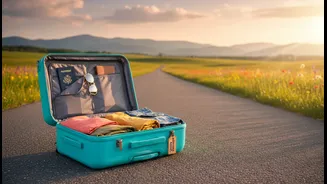
breaks. These trips, often lasting just two to four days, are typically planned around weekends and public holidays. A recent report highlights this shift, showing the average domestic trip now lasts just 1.7 nights. This move towards 'snackable travel' reflects a fundamental change where escaping the routine is no longer an occasional event but a frequent necessity.
A Modern Antidote to Burnout
A key driver behind this trend is the demanding nature of modern work culture in India, which often struggles with poor work-life balance. Long work hours and stressful commutes, especially in major metro cities, leave professionals seeking regular resets for their mental health. Short, frequent breaks serve as a crucial pressure-release valve. A quick getaway to a nearby hill station like Mussoorie or a coastal town like Alibaug can provide a much-needed mental recharge without the logistical hassle of a long vacation. It's a direct response to the need to disconnect and rejuvenate more often to sustain high-pressure careers.
The Smart Economic Choice
Spreading the travel budget across several smaller trips can feel more manageable than splurging on a single, expensive annual holiday. This approach allows for greater variety in experiences without a massive financial outlay at one time. While the trips are shorter, travellers are not skimping on quality. In fact, recent data shows that around 62% of hotel bookings for these short trips were for four and five-star properties. This indicates a preference for 'quality over quantity' in a different sense—fewer days, but in greater comfort, making each short break feel like a premium experience.
Flexibility in the Age of Hybrid Work
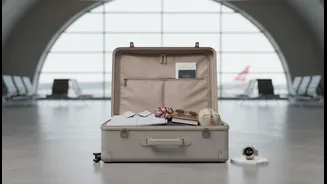
The rise of hybrid and remote work has blurred the lines between the office and the world, giving birth to the “bleisure” traveller—one who blends business with leisure. India is a key market for this trend, with 81% of business travellers extending their work trips for leisure, a figure that surpasses the global average. This flexibility makes it easier to add a few personal days to a work trip, turning a routine assignment into a mini-vacation. This trend is so significant that the Indian bleisure market is projected to grow substantially in the coming years.
Improved Connectivity and Spontaneity
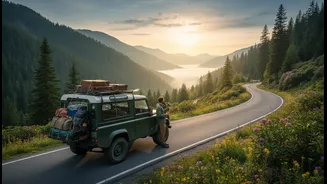
India's rapidly improving infrastructure, from highways to regional airports, has made weekend getaways more feasible than ever. Destinations within a few hours' drive have become accessible for spontaneous road trips. This ease of access fuels impulsive travel decisions. Reports show a significant portion of domestic flights and staycations are now booked just days, or even hours, before departure. This spontaneity is particularly strong among younger travellers, with seven in ten Gen Z members preferring multiple short trips over one long holiday.