








The Forecast and Expected Arrival
The India Meteorological Department (IMD) is the official government body responsible for tracking and forecasting the monsoon. According to recent forecasts, conditions are becoming favourable for the onset of the Northeast Monsoon around mid-October.
The normal onset date is considered to be October 20. This year's monsoon, which provides the bulk of annual rainfall for states like Tamil Nadu, is crucial. Initial forecasts for October to December suggest normal to above-normal rainfall for southern peninsular India, particularly in southern Tamil Nadu and coastal areas. However, residents should prepare for variable intensity. The IMD has noted that while a strong El Niño is present, its impact on this monsoon season is not definitive, as past El Niño years have still seen good rainfall.
Where to Find Official Weather Updates
In the age of social media, rumours can spread faster than storm clouds. It is critical to rely only on official sources for weather warnings to avoid panic and misinformation. The primary source is the India Meteorological Department (IMD). You can access their updates through several official channels. The main website (mausam.imd.gov.in) provides detailed forecasts, radar images, and press releases. For mobile users, the IMD has official apps like 'Mausam' for general forecasts, 'Meghdoot' for agricultural advice, and 'Damini' for lightning alerts. These apps are available on both Android and iOS platforms. Many residents also find it useful to follow the official X (formerly Twitter) handles of the main IMD page and their regional centres for real-time updates and warnings.
Decoding the Colour-Coded Alerts
The IMD uses a simple, four-colour system to communicate the severity of expected weather and the necessary level of vigilance. Understanding these alerts is key to making safe decisions. 'Green (No Warning)' means no adverse weather is expected and you can carry on with your activities. 'Yellow (Be Aware)' indicates that weather conditions could worsen and might cause disruptions to daily life. It is a signal to stay updated. 'Orange (Be Prepared)' is a more serious warning. It suggests that extremely bad weather is likely, which could disrupt transport and power, and pose a risk to life and property. You should prepare for potential evacuation and avoid non-essential travel. 'Red (Take Action)' is the highest alert level. It is issued when extremely severe weather is imminent or already occurring, posing a significant threat to life and property. Authorities will advise immediate action, which may include evacuation.
Essential Household Preparations
Preparedness can significantly reduce the impact of severe weather. Before the heavy rains begin, take a weekend to get your home ready. Clear clogged drains and gutters to prevent waterlogging. Trim any tree branches that are weak or hang over your house. Check for any exposed electrical wiring and have it repaired to prevent short circuits and electrocution, which are major risks during floods. It is also wise to prepare an emergency kit. This should include essentials like a torch with extra batteries, a first-aid kit, prescribed medications, dry food items, and sufficient drinking water. Keep important documents like property papers and identification in a waterproof bag. Having these items ready can make a significant difference if you are stranded or need to evacuate.
Staying Safe During a Downpour
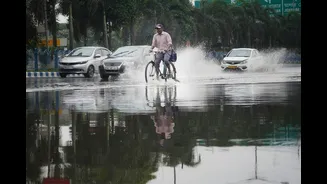
When the alerts are issued and the rains arrive, safety should be your top priority. Avoid walking or driving through flooded areas. Just six inches of moving water can knock you off your feet, and submerged roads can hide open manholes or debris. Never touch electrical switches or appliances with wet hands, and it's safest to unplug sensitive electronics during a thunderstorm to protect them from power surges. If you hear thunder, you are close enough to be struck by lightning, so seek shelter indoors immediately and avoid taking cover under trees. During periods of heavy rain, stay tuned to local radio and official updates for any evacuation orders or safety instructions from local authorities like the National Disaster Management Authority (NDMA).