
The Unsung Heroes: Dals and Legumes
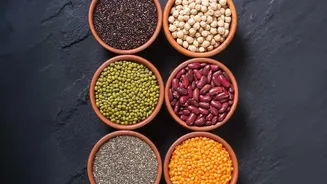
Long before protein powders became fashionable, dals were the foundation of muscle-building meals across India. Most common Indian dals contain a remarkable 22 to 25 grams of protein per 100 grams in their raw form. While this number is lower once cooked
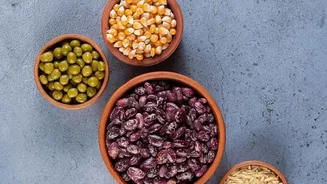
with water, a hearty bowl of dal remains a significant protein source. For instance, a single cup of cooked lentils provides around 18 grams of protein. Chana dal (split Bengal gram) and moong dal are among the richest, with chana dal offering about 25 grams of protein per 100g (dry). Beyond the usual dal tadka, these lentils can be used to make nutritious and filling dishes like moong dal chilla, which can pack 14-16 grams of protein in two pieces. Don't forget other pulses like kidney beans (rajma) and chickpeas (chana), which are not only protein powerhouses but also rich in fibre and essential minerals.
The Power of Humble Flours
Two of the most underrated protein sources are likely already in your kitchen: besan (gram flour) and sattu (roasted gram flour). Sattu, a staple in regions like Bihar and Uttar Pradesh, is a nutritional heavyweight, offering about 20 grams of protein per 100-gram serving. Traditionally consumed as a cooling drink, it's also a fantastic ingredient for making high-protein parathas or laddoos. Its low glycemic index also makes it a great choice for managing blood sugar levels. Besan, made from raw chickpeas, is similarly versatile. It's the key ingredient for classics like dhokla and khandvi, but it truly shines in savoury pancakes like besan chilla, a quick and delicious breakfast that contributes significantly to your daily protein intake.
Ancient Grains, Modern Nutrition
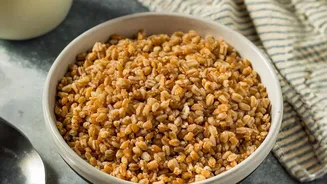
Ancient grains are making a comeback, and for good reason. Amaranth, known as 'rajgira' or 'ramdana', is a standout. This gluten-free pseudo-grain is packed with protein, minerals, and fibre. It has found its way into Indian cooking through fasting foods, but its utility goes far beyond that. You can use amaranth flour to make rotis, pooris, or even healthy tikkis. Puffed amaranth can be used to make granola or energy-boosting laddoos. Similarly, millets like ragi, jowar, and bajra offer a respectable 6-11 grams of protein per 100 grams and are excellent, gluten-free alternatives to wheat and rice for making rotis or porridge.
Seeds: Small but Mighty
Don't underestimate the tiny seeds in your masala dabba. Pumpkin seeds (kaddu ke beej), sunflower seeds, sesame seeds (til), and chia seeds are all excellent sources of protein, healthy fats, and other vital nutrients. Just two tablespoons of pumpkin seeds can provide around 7 grams of protein. Hemp seeds (bhang ke beej), which are becoming more available, are a rare complete plant protein, meaning they contain all nine essential amino acids. Adding a handful of mixed seeds to your smoothie, oatmeal, or salad is an effortless way to boost your protein intake. Even traditional chutneys made from peanuts and sesame seeds, served with millet rotis, can create a surprisingly protein-rich meal.
Beyond the Obvious Choices
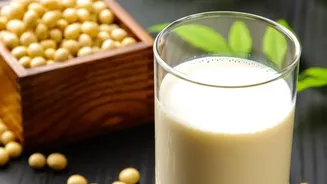
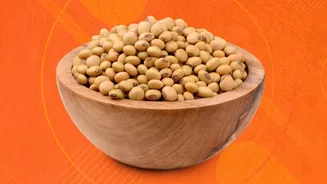
Expanding your protein horizons can also include incorporating soy products. Soya chunks, for instance, are one of the most concentrated sources of plant-based protein available, offering a texture similar to meat that works beautifully in curries and pulaos. Even vegetables like green peas (matar) contribute a surprising amount of protein, with about 7 grams per cup. Sprouting legumes like moth beans (matki) or moong can dramatically increase their protein availability and make them easier to digest, perfect for a refreshing and high-protein salad.