




The Common Frustration: Hard or Greasy Ladoos
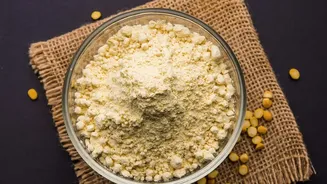
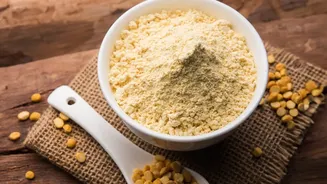
You’ve followed the recipe meticulously. You roasted the besan (gram flour) low and slow in fragrant ghee until the whole kitchen smelled nutty and divine. You mixed everything together, only to find your ladoos either refuse to hold their shape, turning
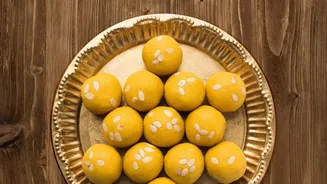
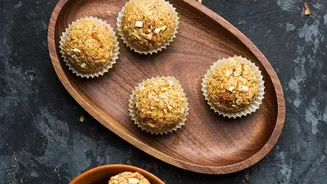
into a greasy puddle, or worse, they set into dense, hard rocks. This common kitchen mishap is incredibly disheartening, but it almost always points to one single, often-rushed step: adding the sugar when the besan mixture is still hot. This is one of the most frequent mistakes in making besan ladoo, leading to sweets that are crumbly, sticky, or unpleasantly hard.
The Science of Sugar and Heat
To understand why cooling is critical, we need to look at what happens at a molecular level. Powdered sugar is made of fine crystals. When you add these crystals to a piping hot mixture of roasted besan and ghee, the intense heat causes the sugar to melt almost instantly. Instead of staying as fine, separate particles that provide a delicate, grainy texture, the sugar dissolves into the hot ghee. As this syrupy, melted sugar mixture eventually cools down, it recrystallizes into a large, solid mass. This process is what creates a brittle, hard, and sometimes glassy texture, ruining the soft, 'danedar' (granular) quality of a perfect ladoo.
Finding the 'Just Right' Temperature
The goal is to cool the roasted besan until it is just warm to the touch. It shouldn't be hot, but it shouldn't be completely cold either. A mixture that is too hot will melt the sugar, and a mixture that has gone completely cold will cause the ghee to solidify, making it stiff and nearly impossible to bind and shape. The ideal temperature is comfortably warm, where you can handle the mixture without burning your hands. This allows the powdered sugar to blend and incorporate evenly, with the ghee acting as a binder for the flour and sugar particles, rather than a solvent for the sugar itself. The sugar crystals remain intact, contributing to that signature melt-in-the-mouth feel.
How to Cool and When to Shape
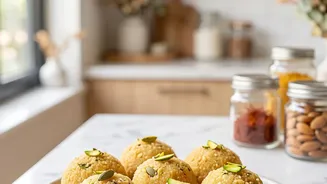
After you finish roasting the besan, immediately transfer it from the hot kadhai into a wide plate or tray. This prevents the residual heat in the pan from continuing to cook or burn the flour. Spreading it out increases the surface area and helps it cool faster and more evenly. Keep stirring it occasionally as it cools. To test for readiness, simply touch a small portion. If it feels pleasantly warm and you can hold it for a few seconds, it’s ready for the sugar. Once you mix in the sugar and any nuts or cardamom, the mixture should be cohesive and pliable. Shape the ladoos while the mixture still has this warmth, pressing firmly at first to bind it and then gently rolling it into a smooth ball.
Fixing Common Problems
What if you’ve already made a mistake? If your mixture is too runny because you added sugar while it was hot, try refrigerating it for 10–15 minutes. This can help the ghee firm up enough to allow shaping. If the ladoos are too dry and crumbly (often because the mixture got too cold or you used too little ghee), you can add a tablespoon or two of warm, melted ghee to help it bind. If the ladoos taste raw, it means the besan was under–roasted, a separate issue that can't be fixed after cooling but is crucial to get right from the start.