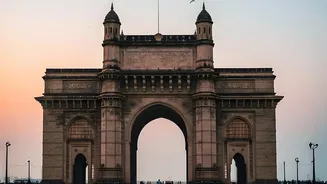








A Wider Welcome Mat for Visitors
In a significant move to boost accessibility, the Ministry of Home Affairs has authorized an additional 11 international ports for entry by foreign nationals holding an electronic visa. This expansion brings the total number of e-visa enabled entry points
to 88 across the country. The new additions include two airports: Raja Bhoj Airport in Bhopal and Tirupati Airport in Andhra Pradesh. More notably, the update includes nine land border crossings, which will significantly improve overland travel options. These land ports are Agartala, Darranga, Gede, Ghojadanga, Haridaspur, Jaigaon, Dawki, Moreh, and the strategically important Attari road border with Pakistan. This brings the total network to 37 airports, 38 seaports, and 13 land ports, offering unprecedented flexibility to international visitors.
How E-Visas Are Changing Travel
The e-visa system, first introduced in 2014 for nationals of 43 countries, has been a game-changer for Indian tourism. The facility is now available to citizens of 172 countries and accounts for approximately 78% of all visas issued by India. Its popularity stems from a simplified and efficient online application process that eliminates the need for in-person embassy visits. Travelers can apply from home, upload their documents, and typically receive an Electronic Travel Authorisation (ETA) via email. According to government reports, about 95% of e-visa applications are processed within a swift 72-hour window. This predictability and speed have made planning trips to India far less cumbersome for tourists, business travelers, and those seeking medical treatment.
Breaking Up the Travel Logjam
A persistent challenge for India's travel infrastructure has been the heavy concentration of foreign arrivals at a few major metropolitan airports. Data shows that a vast majority of international visitors enter through hubs like Delhi, Mumbai, Bengaluru, Chennai, and Hyderabad. This often leads to long queues at immigration, strained airport resources, and a travel experience that begins with a bottleneck. The recent expansion directly addresses this issue by diversifying the points of entry. Adding airports like Bhopal provides a direct gateway to central India, while Tirupati serves one of the world's busiest pilgrimage sites. This strategic decentralisation is expected to distribute tourist traffic more evenly across the country, potentially reducing wait times at major airports and encouraging visitors to explore destinations beyond the usual tourist circuits.
A Boost for Regional Tourism and Trade
The inclusion of nine land ports is perhaps the most transformative aspect of this update. It opens up new possibilities for regional and cross-border tourism. For instance, the activation of ports like Jaigaon and Darranga on the Bhutan border, Moreh on the Myanmar border, and multiple crossings with Bangladesh facilitates seamless overland itineraries for travelers exploring South Asia. This not only benefits international tourists but also stimulates local economies in border states by promoting trade and hospitality services. For travelers, it means greater freedom to plan multi-country trips without being forced to fly into a major Indian hub. The move signals a broader strategy to integrate India more deeply with its neighbours and promote regional travel circuits that were previously difficult to navigate.