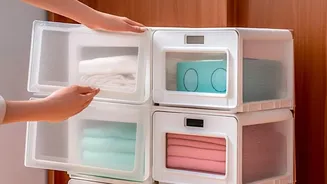







That familiar, stale smell that greets you when you open a long-shut cupboard is a common problem. It's the scent of dampness and trapped air, but it doesn't have to be a permanent feature in your home. Here’s what you need to know to fix it.
Understand the Enemy: Moisture and Stagnant Air
A musty odour
is primarily caused by two things: excess moisture and a lack of ventilation. Cupboards, especially those placed against cold external walls, are prone to condensation. Warm, humid air from your home enters the cooler, enclosed space, and as the air cools, it releases moisture onto the surfaces inside. This damp environment, combined with stagnant air from a constantly closed door, creates the perfect breeding ground for the mould and mildew that produce that distinctive stale smell. Tightly packed clothes further restrict what little air movement there is, trapping moisture within the fabrics themselves.
Start with a Thorough Clean-Out
Before you can prevent future mustiness, you need to tackle the existing problem. The first step is to completely empty the cupboard. Take everything out and inspect your clothes. Any items that feel damp or smell musty should be aired out, preferably in a dry, shaded outdoor spot, and then cleaned according to their care labels. While the cupboard is empty, wipe down all interior surfaces—walls, shelves, and the floor—with a solution of equal parts white vinegar and water. Vinegar is a natural deodoriser that helps neutralise odours and inhibit mould growth. Allow the inside of the cupboard to dry completely before putting anything back. Leaving the door wide open for several hours is crucial.
Actively Control the Moisture
Once the cupboard is clean and dry, the goal is to keep it that way. Introducing moisture absorbers, also known as desiccants, is a highly effective strategy. These materials work by pulling water vapour from the air. Options range from commercial products to DIY solutions: activated charcoal, silica gel packets, and even an open box of baking soda can be very effective. Activated charcoal is particularly good because it absorbs both moisture and odours. You can place charcoal briquettes or commercially available charcoal bags on a shelf. Similarly, silica gel packets, often found in new shoe boxes or with electronics, can be placed in drawers or pockets to protect delicate fabrics like leather. These absorbers have a limited capacity, so they should be checked and replaced or recharged regularly.
Promote Better Air Circulation
Stagnant air is a key part of the problem, so improving circulation is essential. The easiest habit to adopt is to simply leave the cupboard door slightly ajar for a few hours each day to allow fresh air to enter. Avoid overstuffing the cupboard. Clothes need space for air to move around them. If you have a freestanding wardrobe, try pulling it a couple of inches away from the wall to prevent a 'dead zone' of trapped, cold air from forming behind it, especially if it's against an exterior wall. For built-in wardrobes, ensuring there are small gaps at the top and bottom can help create a natural airflow path.
Adopt Smart Storage Habits
Your laundry and storage routines can make a huge difference. The most important rule is to ensure all clothing and linens are completely dry before you put them away. Even a small amount of residual dampness from washing or ironing can trigger musty smells when sealed in a dark space. It’s also wise to only store clean clothes. Body oils, sweat, and dirt left on fabrics can feed the bacteria and mould that cause odours over time. For longterm storage, consider using breathable cotton storage bags instead of airtight plastic containers, which can trap any residual moisture and make the problem worse.