





Why the Monsoon is Prime Planting Time
The rainy season in Bengaluru, typically from June to September, offers a golden window for gardening. The consistent moisture from the rains means you can water less, while the cooler temperatures and higher humidity create a nurturing environment for many
plants to establish their roots. This period is especially forgiving for new gardeners, as the climate reduces the stress on young saplings and encourages faster germination for seeds sown directly in pots. For a balcony garden, this translates to lusher, quicker growth for a variety of herbs and leafy greens.
Top Herbs for Your Monsoon Balcony
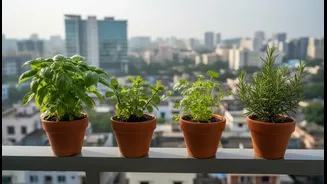
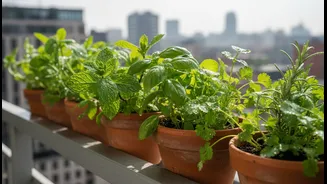
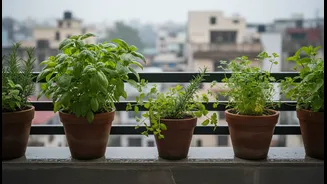
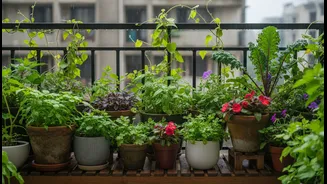
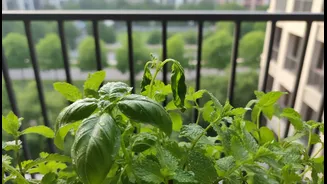
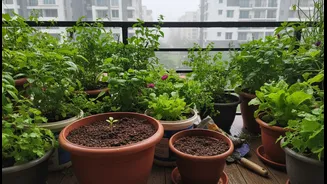
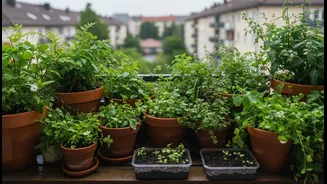
Not all plants enjoy the constant dampness of the monsoon, but many herbs thrive in these conditions. Here are some reliable choices for your Bengaluru balcony: Tulsi (Holy Basil): A resilient and culturally significant herb, Tulsi loves the monsoon but requires good drainage to prevent root rot. It's known for its immunity-boosting properties, which are especially welcome during the damp months. Pudina (Mint): This fast-growing herb adores moisture and can be easily propagated from a few stems. Keep it in its own pot, as it tends to spread aggressively. Fresh mint is perfect for chutneys, teas, and refreshing drinks. Dhania (Coriander): A staple in Indian kitchens, coriander can be grown successfully during the monsoon. It grows fast, but you'll have the best results by sowing seeds every few weeks for a continuous supply. Ensure the pot has excellent drainage. Lemongrass: This hardy grass loves rain and sun. Its strong, citrusy aroma is a delight, and it also acts as a natural insect repellent. A few leaves are all you need to brew a fragrant and healthy tea.
Your Essential Planting Checklist
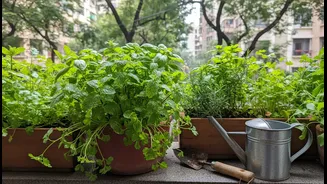
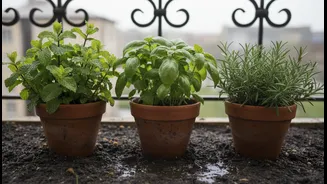
Before you get your hands dirty, gather these essentials. Having everything ready makes the process smooth and enjoyable. Pots: Terracotta or clay pots are ideal as they are porous and allow roots to breathe, preventing waterlogging. Ensure every pot has at least one drainage hole at the bottom. Soil Mix: Don't use heavy garden soil. A lightweight, well-draining potting mix is crucial. You can buy a ready-made mix or create your own. Seeds or Saplings: Source high-quality seeds or healthy saplings from a reliable local nursery in Bengaluru or a trusted online store. Tools: A small hand trowel, a watering can for non-rainy days, and a pair of gardening gloves are all you really need to get started.
The Perfect Potting Mix Recipe
The foundation of a successful container garden is its soil. A good mix provides nutrients, retains moisture without getting soggy, and allows air to reach the roots. A highly effective and simple ratio for most herbs is 40% garden soil, 30% compost, and 30% cocopeat. The garden soil provides a stable base, compost (like vermicompost) offers essential nutrients, and cocopeat (coconut coir) keeps the mix light and airy while retaining moisture. This combination ensures your plants have the support they need to thrive, especially during the heavy monsoon rains when drainage is critical.
Monsoon Care: Avoiding Common Pitfalls
Gardening in the rainy season comes with its own set of challenges. The biggest threat is often too much water, not too little. Prevent Overwatering: Rain will handle most of the watering, but check your pots on dry days. Before watering, stick your finger an inch into the soil; if it feels damp, wait another day. Ensure Excellent Drainage: This is non-negotiable. Make sure drainage holes aren't clogged. You can even elevate your pots on stands or bricks to help excess water escape freely. Manage Pests: Humidity attracts pests like snails, slugs, and aphids. Check your plants regularly, especially the undersides of leaves. A simple spray of neem oil mixed with water and a little liquid soap can help manage most common pests organically. Provide Sunlight: Monsoon days can be overcast. Position your pots in the brightest spot on your balcony, ensuring they receive at least 4-6 hours of light if possible.