






Jamun: The Quintessential Monsoon Fruit
Deep purple and delightfully tart, Jamun, or the Indian blackberry, is a true monsoon specialty. Its arrival signals that the rains are truly here. This fruit is celebrated not just for its unique sweet-and-sour taste but also for its health benefits.
It is rich in iron, antioxidants, and Vitamin C, which can help boost immunity during a season when colds and infections are common. Jamun is also traditionally known to be beneficial for regulating blood sugar levels. Beyond eating them fresh with a sprinkle of black salt, you can blend Jamun into a vibrant smoothie, make a tangy chutney, or reduce it into a syrup to drizzle over desserts for a splash of seasonal colour and flavour.
Gourds: The Humble Heroes
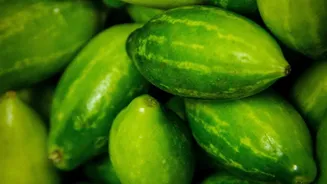
The family of gourds—including bottle gourd (lauki), ridge gourd (turai), and bitter gourd (karela)—are staples in Indian households during the monsoon. While they may seem plain, they are incredibly versatile and beneficial for the rainy season. These vegetables are high in water content and fibre, making them light and easy to digest at a time when the digestive system can be sluggish. According to Ayurvedic principles, warm, cooked meals are recommended during the monsoon, and these gourds are perfect for that. A simple lauki soup seasoned with cumin and ginger is both comforting and nourishing. Bitter gourd, known for its detoxifying properties, can be stir-fried with onions and spices to balance its bitterness, offering a complex and healthy addition to any meal.
Corn: A Roadside Classic at Home
The sight and smell of roasted corn on the cob, or bhutta, is synonymous with monsoon evenings in India. This seasonal delight is not just for the streets; it’s a wonderful ingredient to bring into your own kitchen. Corn is a good source of fibre and provides a steady release of energy. You can recreate the classic bhutta at home by roasting corn over an open flame and rubbing it with lemon, salt, and chilli powder. Alternatively, use fresh corn kernels to make a warm and comforting sweet corn soup, a classic rainy-day recipe. You can also add boiled kernels to salads, stir-fries, or even mix them into a vegetable biryani for a touch of sweetness and texture.
Pomegranate: Jewel-Like Immunity Boosters
With their ruby-red seeds, pomegranates are another fruit that shines during the monsoon. They are packed with powerful antioxidants and are an excellent source of Vitamin C, helping to strengthen the body's defences against seasonal illnesses. The anti-inflammatory properties of pomegranates are particularly valued during this season. The seeds, or arils, add a burst of juicy sweetness and a beautiful visual appeal to any dish. Sprinkle them over salads, yoghurt, or oatmeal for a simple nutritional upgrade. They can also be juiced for a refreshing drink or used as a garnish for savoury dishes like rice preparations and curries, adding a surprising and delightful crunch.
Ginger and Turmeric: The Warming Spices
While not vegetables in the typical sense, the rhizomes of ginger and turmeric are indispensable during the monsoon. Both are known for their strong anti-inflammatory and antibacterial properties, making them cornerstones of traditional monsoon diets. Ginger is known to aid digestion and provide relief from cold symptoms, while turmeric's active compound, curcumin, is a potent immunity supporter. Start your day with a warm cup of ginger tea sweetened with a little honey. Add freshly grated ginger and turmeric to dals, curries, and vegetable stir-fries to infuse them with warmth and earthy flavour. A comforting glass of warm turmeric milk before bed is a timeless remedy to keep seasonal sniffles at bay.
Plums and Peaches: Sweet and Tart Treats
The tail end of summer and the beginning of the monsoon bring a delightful bounty of stone fruits like plums (aloo bukhara) and peaches (aadu). These fruits offer a delicious balance of sweet and tart flavours. Plums are a good source of minerals and antioxidants, while peaches provide dietary fibre and help keep the body hydrated in humid weather. Both fruits can be eaten fresh as a healthy snack. They are also excellent for cooking; try making a simple plum chutney to serve with parathas or a warm peach crumble for a comforting rainy-day dessert. Their vibrant flavours can easily brighten up an overcast afternoon.