



The Mighty Millet's Comeback
For generations, millets like jowar, bajra, and ragi were staple foods across India. After falling out of favour, these ancient grains are making a powerful comeback, and for good reason. Riding the wave of wellness and a renewed appreciation for local
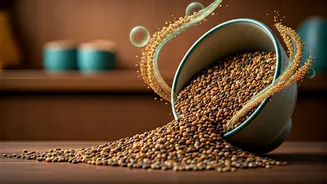
ingredients—boosted by initiatives like the International Year of Millets—they are now celebrated as superfoods. Naturally gluten-free, rich in fibre, and packed with essential nutrients like magnesium, iron, and protein, millets are a fantastic foundation for a healthy meal. They are slow-releasing carbohydrates, which means they keep you full and energized for longer without causing a sharp spike in blood sugar. This makes them an excellent choice for anyone looking to manage their weight or simply eat cleaner.
The Art of Seasonal Spicing
What truly elevates a simple millet bowl into a 'flex' is the thoughtful use of spices. This is where you can infuse your meal with seasonal warmth and incredible flavour. During cooler months, think of warming spices that do more than just taste good—many have traditional Ayurvedic benefits. Turmeric offers anti-inflammatory properties, ginger aids digestion, and cinnamon helps regulate blood sugar. A classic masala blend of cumin, coriander, and garam masala can create a savoury, comforting base. Don't be afraid to experiment. A pinch of black pepper enhances the absorption of turmeric's curcumin, while a dash of clove or nutmeg can add a festive, aromatic depth perfect for a winter evening.
Building Your Bowl: The Perfect Base
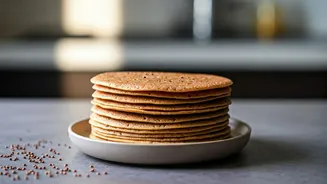
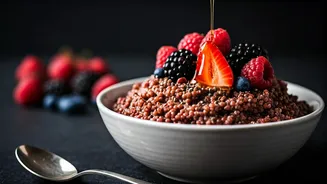
The key to a great bowl is a perfectly cooked millet base. Different millets have slightly different textures and cooking times. Foxtail millet (kangni) and little millet (kutki) are light, fluffy, and cook quickly, making them great substitutes for rice or quinoa. Pearl millet (bajra) and finger millet (ragi) have a denser, earthier quality, ideal for heartier dishes. The basic method is simple: rinse the millet well, then cook it in a 1:2 ratio of millet to water (or vegetable broth for more flavour). You can cook it on the stovetop or in a pressure cooker. For a creamy, porridge-like consistency, add more liquid and stir frequently. For a fluffy, grain-like texture, let the water absorb completely and then fluff with a fork.
Add Your Seasonal Stars
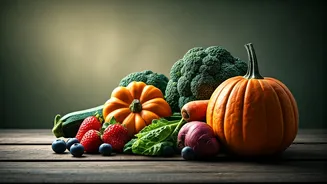
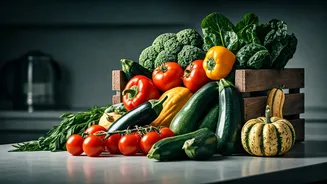
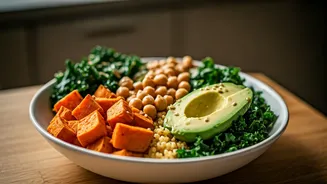
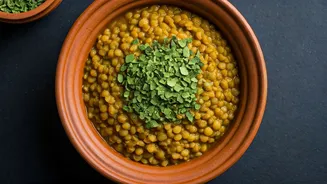
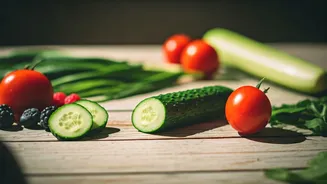
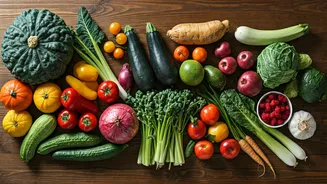
Now for the fun part: the toppings. This is where your bowl comes to life with colour, texture, and nutrition. Think seasonally for the best flavour and value. In winter, roasted vegetables are your best friend. Cubes of pumpkin, sweet potato, carrots, and beetroot tossed in a little oil and spices and roasted until caramelized add a wonderful sweetness and depth. During warmer months, fresh, crunchy vegetables like cucumber, tomatoes, and onions are perfect. For protein, the options are endless. Add a scoop of spiced chickpeas, some crumbled paneer, a simple lentil dal, or even a boiled egg. A handful of fresh greens like spinach or methi (fenugreek leaves) can be wilted into the warm millet for an extra dose of vitamins.
The Finishing Touch: Sauces and Crunch
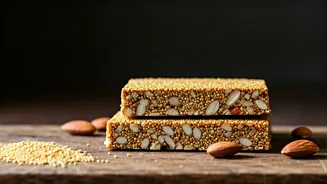
The final layer is what brings everything together. A good sauce or dressing adds moisture and a final punch of flavour, while a crunchy topping provides that all-important textural contrast. You don't need anything complicated. A simple drizzle of a yogurt-based dressing with mint and coriander works beautifully. A tahini-jaggery dressing offers a sweet and nutty balance. Even a squeeze of lemon juice and a dash of good-quality olive oil can brighten up all the flavours. For the crunch, top your bowl with a spoonful of toasted peanuts, almonds, sunflower seeds, or pumpkin seeds. This last step takes just a second but makes the eating experience so much more satisfying.