







The Power Duo: Why Fiber and Protein Matter
Before diving into numbers and apps, it's crucial to understand why this combination is so effective. Protein is the building block for your body, essential for repairing tissues, building muscle, and producing enzymes and hormones. A key benefit of protein
is its ability to make you feel full, reducing overall calorie intake. Fiber, a type of carbohydrate your body can't digest, is equally important. It aids digestion, helps regulate blood sugar, and feeds the beneficial bacteria in your gut. When you consume fiber and protein together, you get a powerful synergistic effect. Protein provides lasting fullness, while fiber slows down digestion, keeping you satisfied for longer and preventing the energy spikes and crashes associated with refined carbs.
Establishing Your Daily Nutrient Goals
There’s no single “perfect” number for everyone, but there are well-established guidelines. For protein, a common recommendation for moderately active adults is about 0.8 to 1.0 grams per kilogram of body weight. So, a 65-kilogram person would aim for roughly 52 to 65 grams of protein daily. Your needs may be higher if you're very active or aiming to build muscle. For fiber, Indian dietary guidelines generally recommend 25 to 40 grams per day for adults. The Indian Council of Medical Research (ICMR) suggests a target of about 25-30 grams daily. Unfortunately, studies show many urban Indians consume only about 15 grams per day, falling short of this vital target.
Finding a Ratio That Works for You
While the headline mentions a “perfect” proportion, the reality is more personalized. There is no specific, universally recommended clinical ratio of fiber to protein. Instead of chasing a magic number, a more practical approach is to ensure you're meeting your daily minimums for both nutrients. A good starting point can be derived from calorie-based recommendations, which suggest aiming for about 14 grams of fiber for every 1,000 calories consumed. For someone on a high-protein diet, consciously increasing fiber intake is crucial to avoid digestive issues like constipation. The goal is balance; focusing too heavily on protein can lead you to neglect fiber-rich foods. The best ratio is the one that leaves you feeling energized, satiated, and digestive-symptom-free.
Using Apps to Track Your Intake
This is where technology simplifies everything. Nutrition apps can do the complex calculations for you. Many modern apps are specifically designed with Indian diets in mind, featuring extensive databases of regional dishes. Here’s a simple guide to get started: 1. Choose Your App: Select an app known for a strong Indian food database, such as HealthifyMe, Fittr, or newer AI-driven options like CalFix or NutriScan. 2. Set Up Your Profile: Enter your age, weight, height, and activity level. The app will calculate your baseline calorie and macronutrient goals. 3. Customize Your Goals: In the app’s settings, you can often set specific targets for protein and fiber in grams. Use the recommendations from the previous section as your starting point. 4. Log Everything You Eat: Be diligent for a few days. Use features like photo-logging or barcode scanning to make it easier. The key is to capture your typical eating habits accurately. 5. Analyze the Data: After a few days, review your daily totals. The app will show you exactly how many grams of protein and fiber you're consuming and how that compares to your goals.
Simple Food Swaps to Hit Your Targets
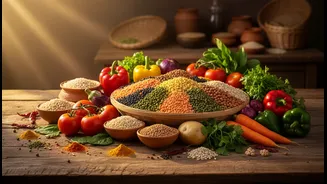
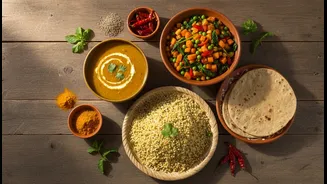
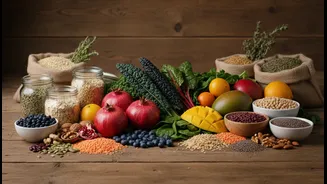
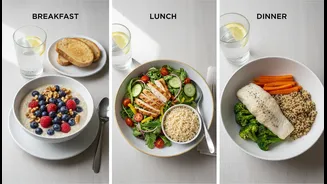
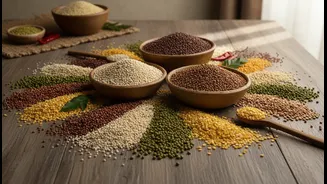
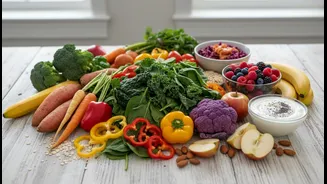
Once your app reveals a shortfall, the fix is in your kitchen, not a calculator. The beauty of a traditional Indian diet is that it's naturally rich in options that deliver both protein and fiber. Boost Your Breakfast: Swap a plain paratha for a besan or multigrain cheela, or start your day with a bowl of oatmeal or millets. Rethink Your Grains: Replace some of your white rice with brown rice, quinoa, or millets like jowar and bajra for your rotis. Lean into Legumes: Make sure at least one meal a day features dal, chana, rajma, or sprouts. These are nutritional powerhouses of both protein and fiber. Snack Smarter: Instead of processed snacks, reach for a handful of nuts, roasted chickpeas, a piece of fruit, or a bowl of curd (dahi). These simple changes can significantly increase your intake without drastically changing your diet.