



The Gold Standard of Beaches
The Blue Flag is one of the world's most recognised voluntary eco-labels, awarded by the Denmark-based Foundation for Environmental Education (FEE). It's not a permanent title but an annual certification that a beach meets a rigorous set of 33 criteria.
These standards are grouped into four main categories: environmental education and information, bathing water quality, environmental management, and safety and services. Think of it less as a beauty award and more as a comprehensive audit. It certifies that the beach is actively managed to maintain high standards of cleanliness, safety, and ecological responsibility. The certification is a signal to travellers that a destination is serious about sustainable tourism.
Maharashtra's New Coastal Jewels
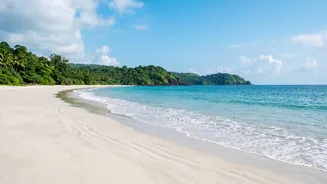
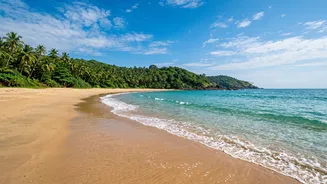
In a first for the state, three beaches along the Konkan coast received the Blue Flag for the 2026-27 season: Ladghar and Guhagar in Ratnagiri district, and Shrivardhan in Raigad district. This achievement places them on a global map of sustainable tourism destinations. Ladghar is known for its reddish sands and dolphin-spotting tours, Guhagar for its long, pristine stretch of white sand lined with casuarina trees, and Shrivardhan for its calm, crescent-shaped shoreline. The award is a recognition of the collective efforts by state and local bodies to meet stringent international benchmarks in everything from waste management to biodiversity protection.
Award Status Versus On-Ground Reality
While the Blue Flag guarantees a high standard, it doesn't promise a flawless, sterile environment 24/7. The certification is an annual award based on consistent management and periodic audits, not a magical shield against the realities of nature and tourism. Challenges remain, and the 'perfect condition' travellers might imagine can be misleading. Maintaining these standards requires significant and continuous effort, especially concerning waste management, which is often cost-intensive for local bodies. Some critics also note that the criteria can favour tourism infrastructure over pure ecological preservation, and sustaining the certification year-round is a major undertaking for local administrations. The award signifies that a robust system is in place, not that a stray piece of litter will never wash ashore or that the beach will always be empty.
What the Blue Flag Truly Guarantees
So, what can you count on at a Blue Flag beach? First and foremost, water quality. The certification requires regular testing to ensure the water is clean and safe for bathing, free from harmful bacteria or sewage-related discharges. Second, safety and services. This includes the presence of first-aid facilities, lifeguards or rescue equipment, clean drinking water, and accessible amenities like well-maintained toilets. Third, environmental management. This means organised waste collection, including facilities for recycling, and a commitment to protecting sensitive local ecosystems. Finally, you are guaranteed access to information about the local environment and a code of conduct for visitors. It's a guarantee of a well-managed, safe, and clean environment, which is a benchmark few other beaches can officially claim.
A Traveller's Guide to Responsible Enjoyment
Visiting Maharashtra's Blue Flag beaches comes with an implicit understanding: you are a partner in maintaining their status. The certification is a call to be a more mindful tourist. This means respecting the local ecosystem, adhering to the displayed codes of conduct, and diligently using the provided waste disposal facilities. The best time to experience these beaches is typically outside the heavy monsoon season, when the waters are calmer and the landscape is lush. Appreciate the infrastructure that the Blue Flag status has brought—it is there to enhance the visitor experience while protecting the natural beauty of the coast. By enjoying these beaches responsibly, travellers can help ensure that Ladghar, Guhagar, and Shrivardhan retain their hard-won accolades for years to come, benefiting both the local community and future visitors.