




More Than Just 'Indo-Western'
For years, the term 'Indo-Western' has been used to describe the fusion of Indian and Western clothing. But for younger Indians, particularly Gen Z, this label feels outdated. Their approach is more personal and less formulaic. It’s not about following
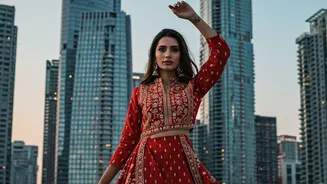
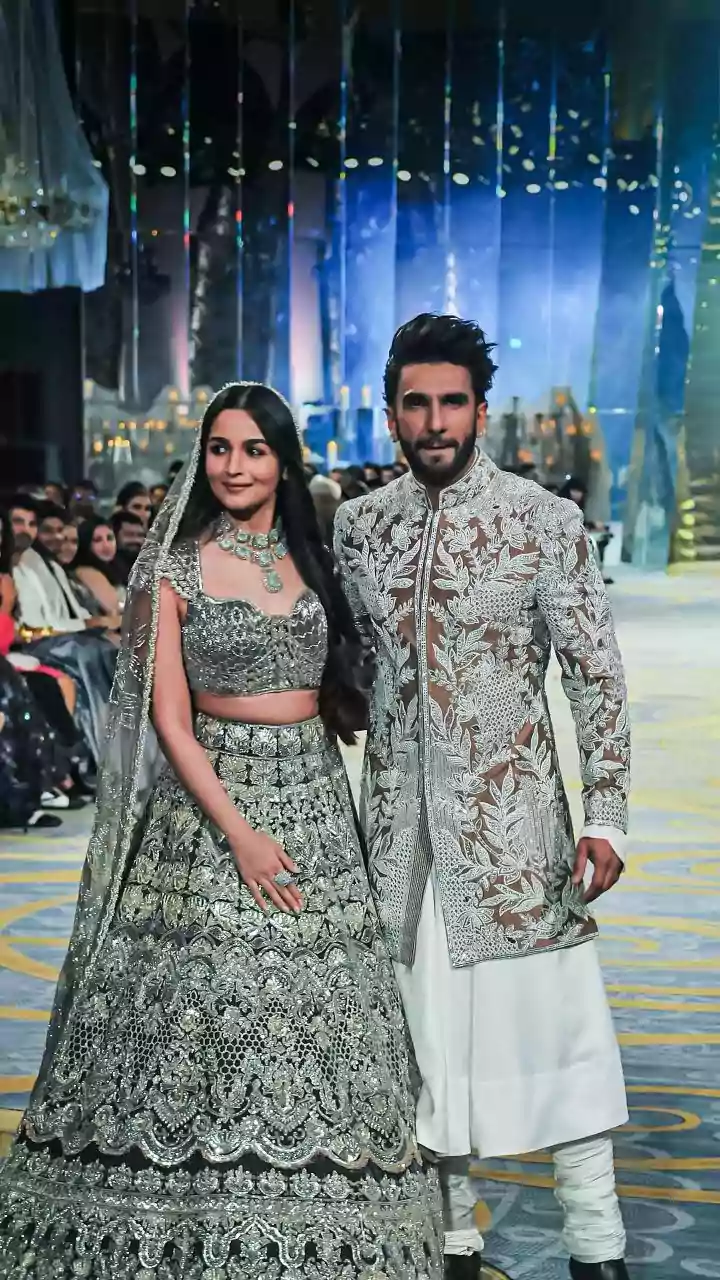
a pre-set combination, but about creating a look that is uniquely their own. Fashion has become a language of identity, a way to express a personal narrative that is both rooted in Indian culture and influenced by global trends. This generation is breaking old rules and dismantling the boundaries that once separated ethnic occasion wear from everyday clothing.
The Sari and Kurta, Reimagined
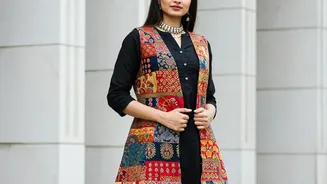
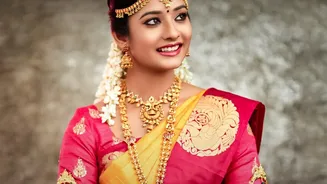
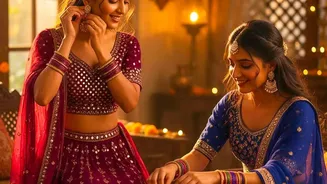
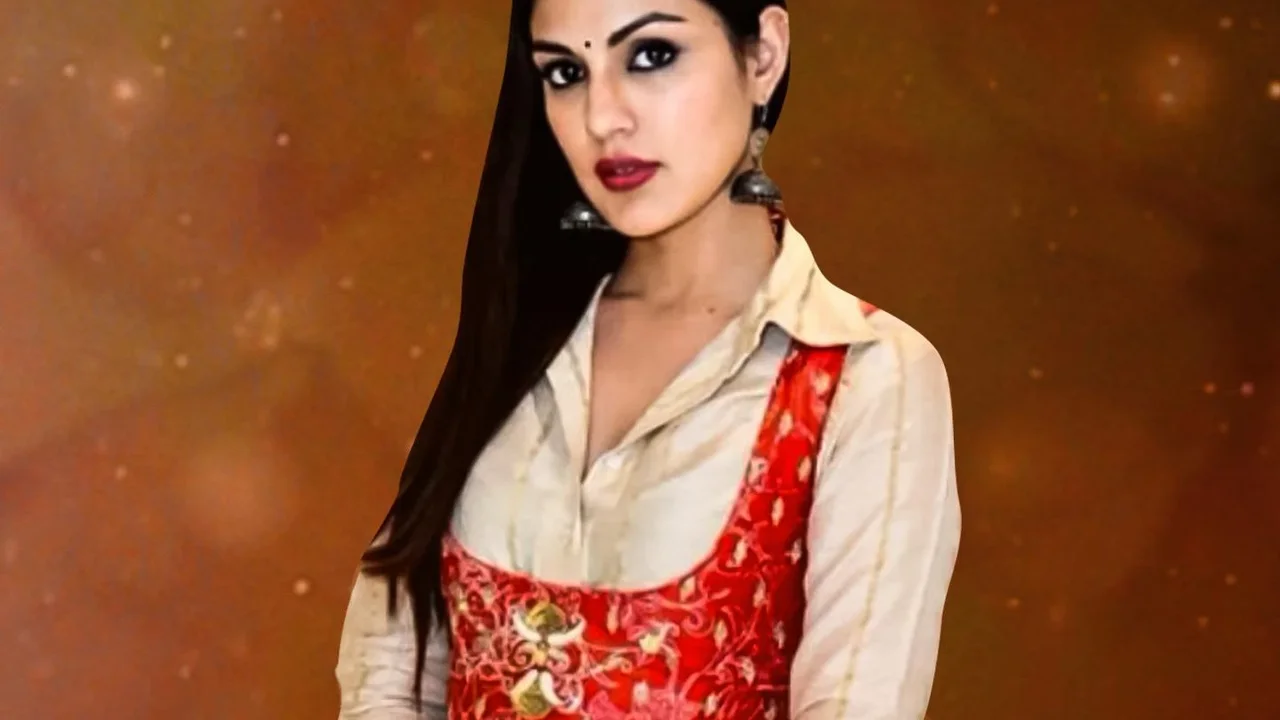
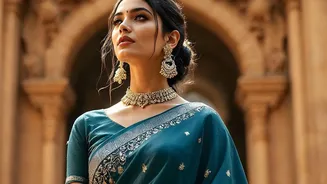
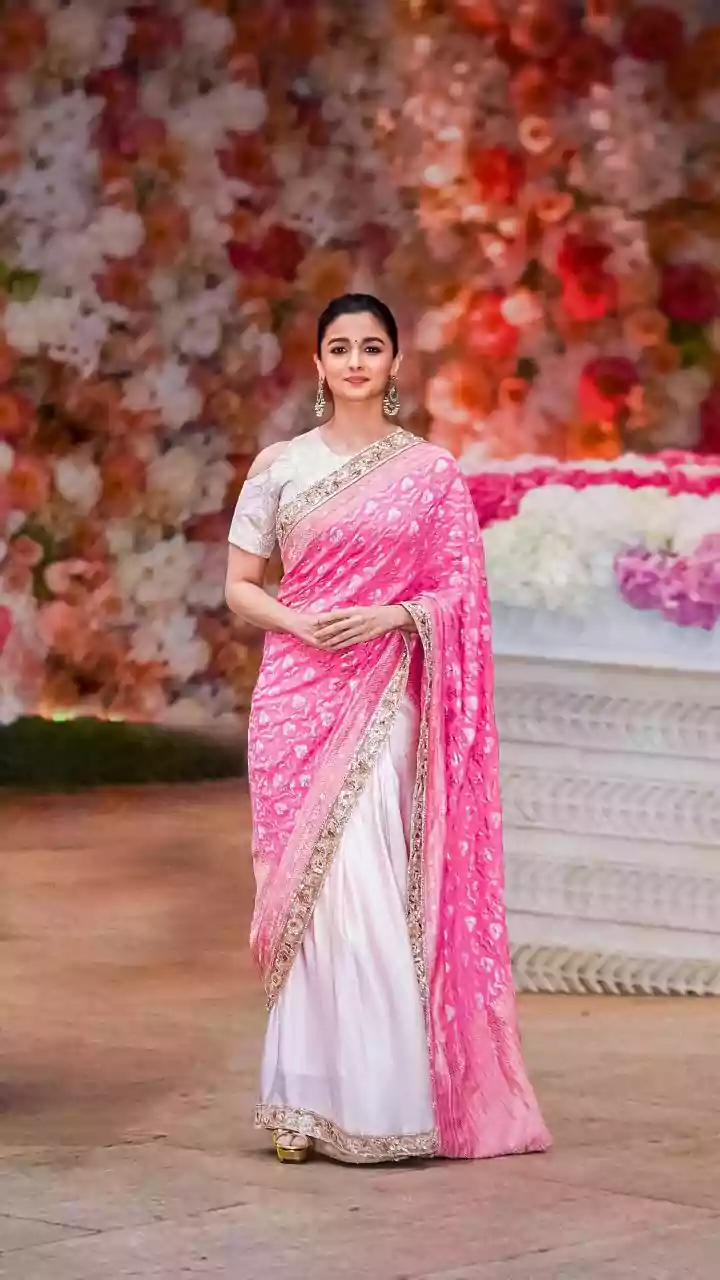
Nowhere is this trend more visible than in the reinvention of classic garments like the saree and the kurta. The saree is being draped over tailored trousers, cinched with a belt, or paired with a jacket, a crop top, or even a crisp white shirt. Similarly, kurtas are frequently styled with everything from distressed denim to wide-leg palazzos. These combinations make traditional attire more practical, comfortable, and versatile for a fast-paced urban lifestyle that includes college, work, and casual outings. This adaptability transforms heirloom pieces and traditional textiles into relevant, everyday fashion.
Comfort is the New Cool
A major driving force behind this shift is the unapologetic prioritisation of comfort. For a generation that grew up with activewear as a daily staple, restrictive and heavy traditional outfits are often impractical. Young Indians are embracing what some call the 'pajama philosophy'—the idea that ethnic wear should feel as easy and breathable as loungewear. This has led to a rise in popularity for relaxed silhouettes like dhoti pants, airy palazzos, and kaftans made from lightweight fabrics like cotton and linen. The goal is to find a middle ground that doesn't sacrifice style for comfort, or cultural roots for modern convenience.
A Statement of Global Indian Identity
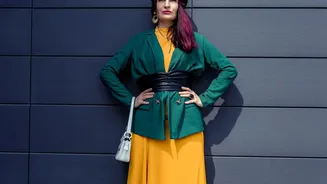
This fashion movement reflects the mindset of a generation that is confidently Indian and unapologetically global. Exposed to international trends through social media platforms like Instagram and Pinterest, young people are drawing inspiration from all over the world. However, instead of simply copying Western styles, they are interpreting them through a distinctly Indian lens. Pairing a Banarasi silk scarf with a blazer or adding intricate Indian embroidery to a denim jacket are examples of this creative fusion. It’s a visual declaration of cultural ownership—a way to stay grounded in one's heritage while participating in a global conversation.
Sustainability and Conscious Choices
Beyond aesthetics, this trend is also linked to a growing consciousness around sustainability. Many young consumers are turning away from fast fashion and showing a preference for homegrown brands that emphasize ethical production and quality craftsmanship. There is a renewed appreciation for handloom textiles, natural dyes, and artisanal techniques. This includes upcycling, where old or inherited garments, like a mother's vintage sari, are repurposed into new, contemporary outfits. This approach not only makes fashion more environmentally responsible but also adds a layer of personal history and meaning to each piece.