


A Culinary Map Redrawn by Migration
India's cities have long been magnets for people seeking education and opportunity. As millions move, they pack more than just their bags; they carry their culinary heritage with them. This mass migration is the single biggest driver of dietary diversity
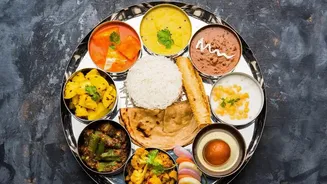
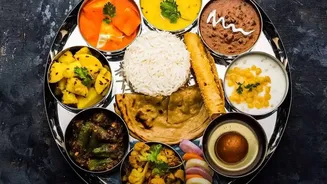
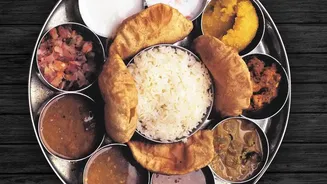
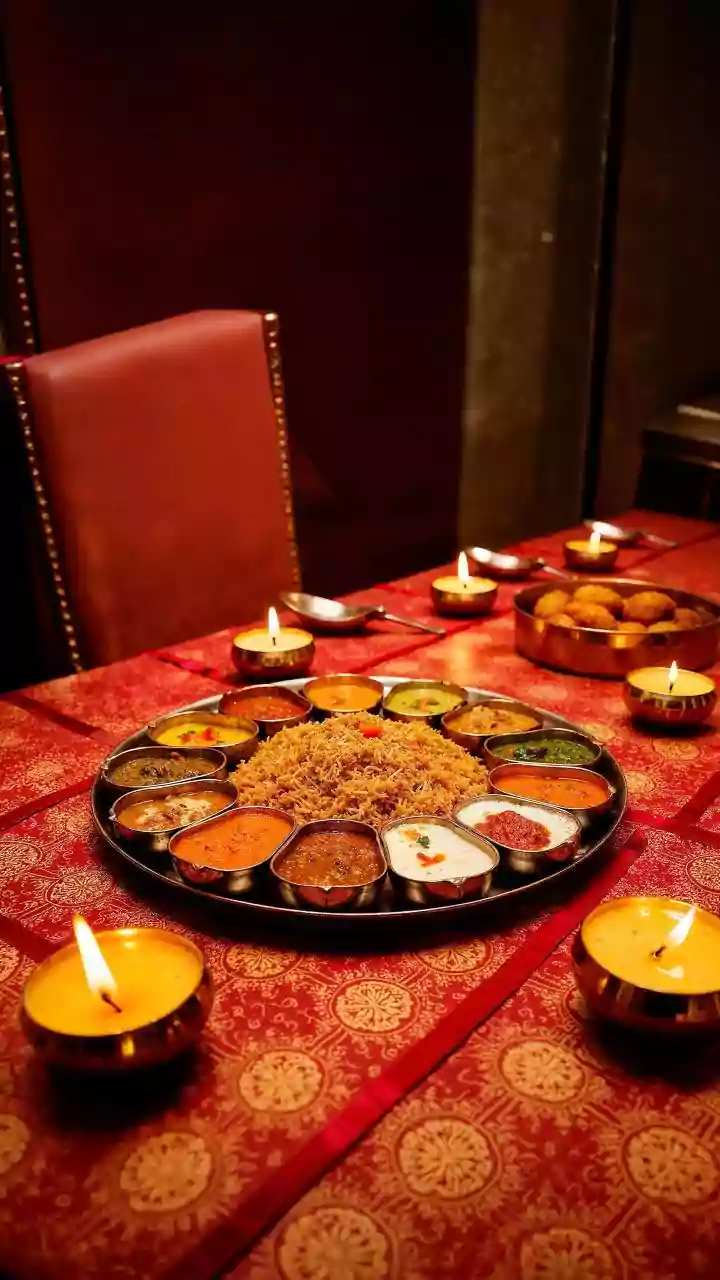
in urban centres. A walk through any major city's neighbourhood market reveals this story. Vendors now stock ingredients that were once niche, from Manipuri black rice and Naga ghost peppers to Maharashtrian goda masala, catering to a diverse populace hungry for a taste of home. Studies have shown that while migrants in cities do adapt their diets, often increasing their intake of fruit and vegetables, the core of their food habits remains deeply indigenous. This creates a vibrant culinary melting pot where the aromas of a Bengali fish curry can be found wafting from a high-rise in Bengaluru, and the sizzle of a Punjabi tadka is a familiar sound in a Mumbai apartment complex.
More Than Just Comfort Food
The persistence of regional cooking is not just about recreating familiar flavours; it's a powerful act of preserving identity. For many, cooking the food of their ancestors is a way to stay connected to their roots and pass on cultural traditions to the next generation, especially for those living in nuclear families away from their hometowns. This trend has seen a significant surge recently, with many young urban professionals turning to home cooking as a form of self-expression and a way to reconnect with their heritage. There is a growing pride in celebrating dishes that were once considered too 'ordinary' for the spotlight, from Bihari litti chokha to a simple Gujarati kadhi. This movement is about reclaiming the kitchen not as a space of obligation, but one of creativity and cultural celebration.
The Rise of the Hybrid Kitchen
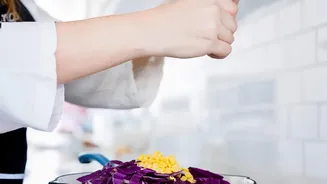
Perhaps the most interesting evolution is not just the co-existence of different cuisines, but their fusion within a single kitchen. Strict regional boundaries are blurring, leading to a unique 'hybrid' style of home cooking. A family from Kerala living in Delhi might prepare a traditional 'avial' but use seasonal North Indian vegetables like carrots and beans. Similarly, a person from Uttar Pradesh might find themselves adding a dash of tangy tamarind, a staple in the South, to their daily dal. This cross-pollination of ingredients and techniques is creating personalised culinary languages. It reflects a confident and curious approach to food, where tradition is not a rigid rulebook but a foundation upon which to build. This blending is often born of practicality—using what is fresh and local—but it results in delicious innovation that is unique to the urban Indian home.
Modern Enablers of Ancient Tastes
Technology and modern commerce have become unlikely allies in the preservation of regional food traditions. Where a migrant once yearned for a specific spice blend or sun-dried pickle from their village, today it is often just a click away. E-commerce platforms and specialty online stores have made hyper-local ingredients accessible across the country. Supermarkets in metro cities are increasingly dedicating shelf space to regional products, from Coorgi pandi curry masala to Chettinad spice mixes. Furthermore, the explosion of food delivery apps and social media has exposed urbanites to a wider array of regional dishes than ever before. Trying a Himachali dham from a delivery service might just inspire a home cook to try and recreate it, aided by countless online tutorials and recipes shared by food creators celebrating their own heritage.