
The Anatomy of an 'Instagrammable' Dish
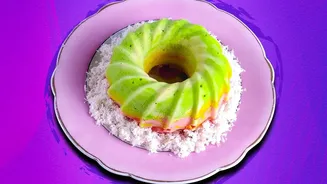
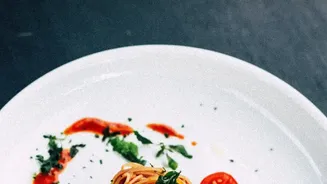
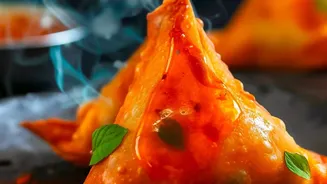
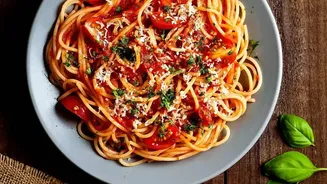
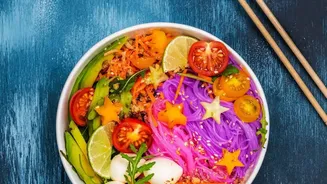
A decade ago, a good-looking dish was about freshness and classic composition. Today, it’s a performance. The most shareable foods possess a specific set of visual traits designed to stop the scroll. Vibrant, contrasting colors are essential; think ruby-red
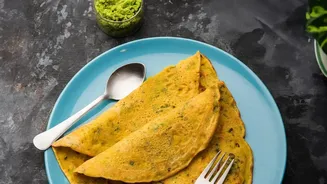
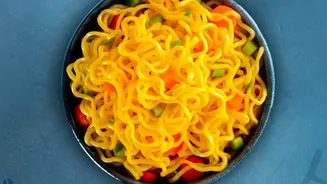
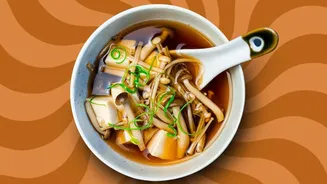
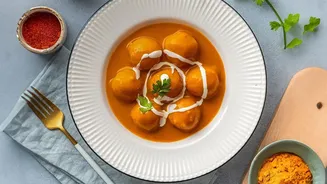
beet purée against a stark white plate or bright heirloom tomatoes on a salad. Height and layering create a sense of sophistication, with ingredients stacked to look more dynamic. Texture is also key, with a mix of crispy, creamy, and crunchy elements adding visual depth that a camera can capture. And then there are the interactive components—the cheese pull, the yolk porn, the melting chocolate sphere—that provide a moment of action perfect for a 15-second Reel. Even the plate itself is now a canvas, with many chefs opting for large plates to create negative space or using unconventional materials like stone slabs and wooden boards.
From Kitchen to Content Studio
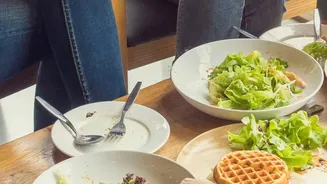
This shift isn't accidental; it's a calculated business decision. Restaurants now recognize that every diner is a potential marketer, capable of broadcasting their meal to hundreds of followers. A single viral post can generate enormous buzz and foot traffic, often serving as free advertising for establishments with small marketing budgets. As a result, many kitchens have adapted their priorities. Chefs are not just chefs anymore; they're also food stylists and content strategists. Menus are increasingly engineered with photogenic qualities in mind, from gravity-defying milkshakes to rainbow-colored bagels. The entire restaurant environment is often optimized for social media, with designers favoring bright, natural lighting over romantic dimness and installing signature elements like neon signs, unique wallpaper, or elaborate murals to serve as the perfect photo backdrop.
The Psychology of 'Camera Eats First'
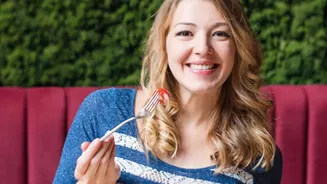
Why are we so compelled to document our meals? The motivations are deeply rooted in social and psychological needs. Sharing photos of food is a way to communicate and bond with others, turning a private meal into a communal experience. It’s a form of self-expression, telling our followers about our tastes, habits, and experiences. In an age of visual self-presentation, a photo of a gourmet dish can project a polished, positive image. Interestingly, studies suggest this pre-meal ritual can actually enhance the dining experience. The act of taking a photo can increase the savoring process, as the delay builds anticipation and may even make the food taste better. It’s a modern form of saying grace, a moment of appreciation before consumption, albeit one intended for a digital congregation.
When Aesthetics Outweigh Taste
However, this focus on visual appeal has a clear downside. A growing number of diners and critics argue that the pursuit of the perfect picture has begun to compromise flavor and substance. Some of the most viral dishes are criticized for being underwhelming, messy, or overpriced once the photo has been taken. The pressure to create visually spectacular food can lead to kitchens prioritizing novelty over culinary fundamentals like seasoning, temperature, and practicality. Critics worry this is leading to a homogenization of food culture, where trendy, photogenic dishes like avocado toast and elaborate smoothie bowls appear on menus everywhere. There's a tangible backlash brewing against food that feels like it was made for a camera first and a customer second, with diners becoming more savvy at spotting style over substance.