



The Himalayas have always been a crown of jewels for India, and now two of its most breathtaking high-altitude lakes are earning their place on the world stage, celebrated among the globe’s most spectacular cold-weather wonders.
Pangong Tso: The High-Altitude Marvel of Ladakh
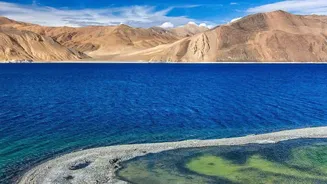
Pangong Tso, a name that
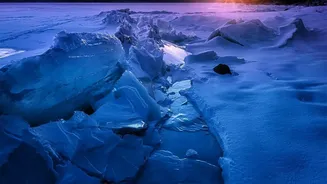
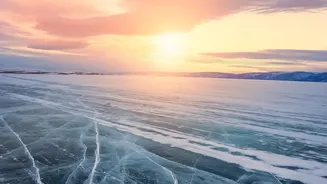
translates to 'high grassland lake', is an otherworldly expanse of saltwater stretching for over 130 kilometres across the Indo-China border at an altitude of 4,350 metres. Famous for its mesmerizing ability to change colour from azure blue to green and even grey, it offers a visual spectacle unlike any other. During the harsh winter months, from January to February, this saline giant freezes completely, transforming into a vast, solid sheet of ice that mirrors the stark, snow-dusted mountains surrounding it. The journey itself is an adventure, crossing high mountain passes like the formidable Chang La. Despite the extreme cold, with temperatures plummeting to -25°C, the frozen lake has become a surreal destination for travellers seeking solitude and unparalleled beauty, and even hosts the world's highest frozen lake marathon.
Tsomgo Lake: Sikkim’s Sacred Glacial Jewel
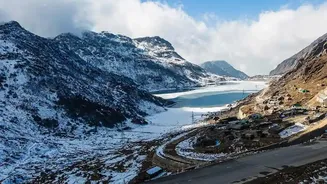
Nestled in a valley in East Sikkim, just 40 kilometres from Gangtok, Tsomgo Lake is a jewel held sacred by the local people. Known also as Changu Lake, this glacial body of water sits at an elevation of 3,753 metres (12,313 ft) and is revered for its changing colours, which monks once studied to predict the future. From January to March, the lake is typically frozen solid, creating an accessible winter wonderland framed by snow-covered slopes. The area is a vibrant hub of local culture, with colourfully decorated yaks offering rides along the shore and stalls serving warm noodle soup. Surrounded by alpine forests that are home to rhododendrons and rare birds, Tsomgo’s blend of natural beauty and spiritual significance makes it a unique cold-weather destination.
The Global List: What Makes a Lake Iconic?
Joining a 'global list' isn't just about being cold; it's about a unique combination of factors. These iconic frozen lakes share characteristics like breathtaking beauty, unique natural phenomena, extreme altitude or latitude, and cultural significance. They are places that capture the imagination, offering experiences that range from skating on crystal-clear ice to witnessing rare atmospheric events. The inclusion of Pangong and Tsomgo signifies their growing status as world-class natural attractions, standing shoulder-to-shoulder with other legendary frozen landscapes.
Russia’s Lake Baikal: The Ancient Giant
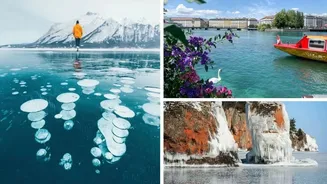
Often called the 'Pearl of Siberia', Lake Baikal is the world's oldest and deepest lake, containing about a fifth of the world's unfrozen fresh water. In winter, it transforms into an alien landscape. The ice, which can be up to 1.5 metres thick, is famously transparent, allowing visibility down to 40 metres. A signature feature is the 'ice hummocks'—shards of turquoise ice pushed up by pressure—and the stunning sight of methane bubbles trapped in suspended animation as they rose from the lakebed. Driving and skating across its vast, glassy surface is a legendary winter adventure.
Canada’s Lake Louise: The Turquoise Wonderland
Located in the heart of Banff National Park, Lake Louise is famed for its vibrant turquoise water in summer, a result of rock flour from glacial melt. In winter, it becomes one of the world's most beautiful natural ice rinks, framed by the towering Victoria Glacier and snow-laden forests. Unlike the remote wilderness of some other frozen lakes, Lake Louise offers a more accessible and curated experience, with a grand chateau on its shore and organised activities like ice hockey and sleigh rides, making it a winter paradise for photographers and skaters alike.
Iceland’s Jökulsárlón: The Lagoon of Icebergs
Jökulsárlón offers a different kind of frozen spectacle. It's a glacial lagoon, not a lake that freezes over completely. Instead, it’s filled with massive icebergs that have calved off the Breiðamerkurjökull glacier. These luminous blue chunks of ancient ice float slowly towards the ocean, creating a constantly shifting, ethereal landscape. Set against black volcanic sands, the scene is uniquely dramatic and a prime location for witnessing the Northern Lights reflect off the ice, adding another layer of magic to this incredible cold-weather destination.