





The Great Indian Heat Escape
Across India, as summer temperatures soar into the mid-40s Celsius, a significant behavioural shift is taking place among young travellers. [3] The decision-making process is no longer solely about the destination's 'hype' or viral potential. Instead,
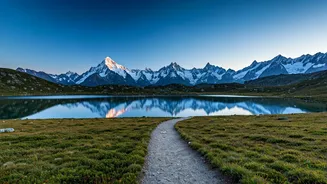
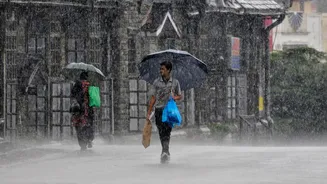
a more fundamental factor is taking precedence: temperature. The phenomenon, dubbed 'coolcations', sees travellers prioritising destinations that offer a respite from the scorching heat of the plains. [3] This isn't just about comfort; it's a direct reaction to increasingly intense and prolonged heatwaves, which are now recognised as a serious risk. [3, 14] The trend has become so pronounced that what were once considered off-season months in cooler regions are seeing a surge in interest. [14]
From Tourist Traps to Tranquil Retreats
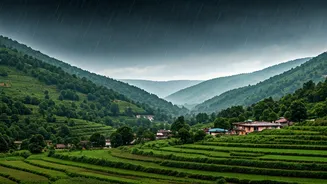
This climate-led decision-making is fundamentally altering the travel map. [9] Popular, overcrowded tourist hotspots are losing some of their sheen, especially during peak heat. [3] In their place, young Indians are seeking out quieter, offbeat locations. A recent survey revealed that over half of Indian travellers now prefer quieter locations to mainstream ones, looking for peace and authenticity. [15] This has led to the rise of destinations that offer both pleasant weather and space away from crowds. Locations in Himachal Pradesh, Uttarakhand, and various parts of Northeast India are seeing increased interest. [6] It's a move away from the performative travel of the past towards more meaningful and restorative journeys. [7, 15]
Cooler Climes, Near and Far
The search for cooler temperatures extends beyond India's borders. Neighbouring countries are witnessing a direct benefit from India's heatwaves. Nepal, for instance, has seen a sharp surge in Indian tourists specifically looking to escape the heat, a goal that years of tourism campaigns previously failed to achieve. [2] The country's cooler climate, affordable costs, and proximity make it an attractive option for those in northern India. [2, 8] Further afield, destinations in Southeast Asia are also being chosen for their pleasant climates. Da Lat in Vietnam, known for its pine forests and French colonial architecture, is becoming a popular choice for its cool weather, attracting a significant number of Indian travellers. [9] Similarly, Chiang Mai in the hills of Thailand offers a refreshing alternative to tropical beaches. [9]
A Shift in Priorities
This trend is about more than just the weather; it signals a maturing of the young Indian traveller. The focus is shifting from simply visiting a place to experiencing it in a more comfortable and meaningful way. There is a growing desire for unique experiences that offer a deeper connection to culture and nature, far from overcrowded sites. [7] This aligns with a broader movement towards wellness and sustainability. [16, 20] Travellers are increasingly opting for eco-friendly accommodations and low-impact activities. [7] The choice to book a trip based on temperature is, in essence, a choice for well-being—a recognition that a vacation should be a genuine escape, not an endurance test against extreme weather and overwhelming crowds.