
Start with a Smarter Selection
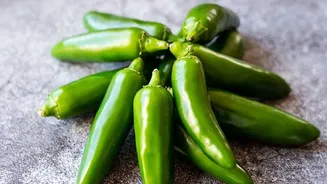
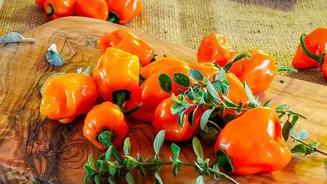
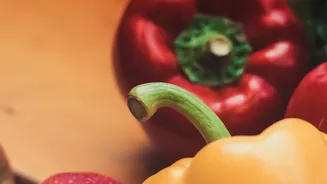
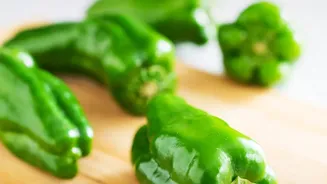
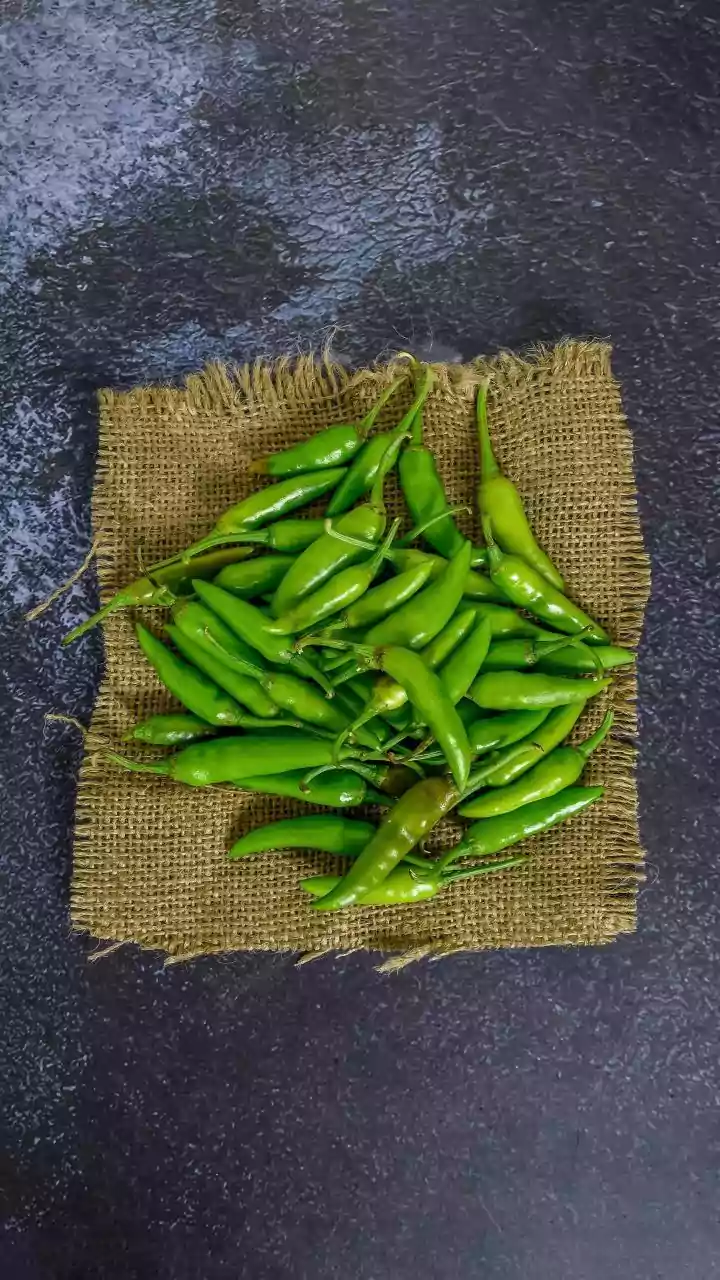
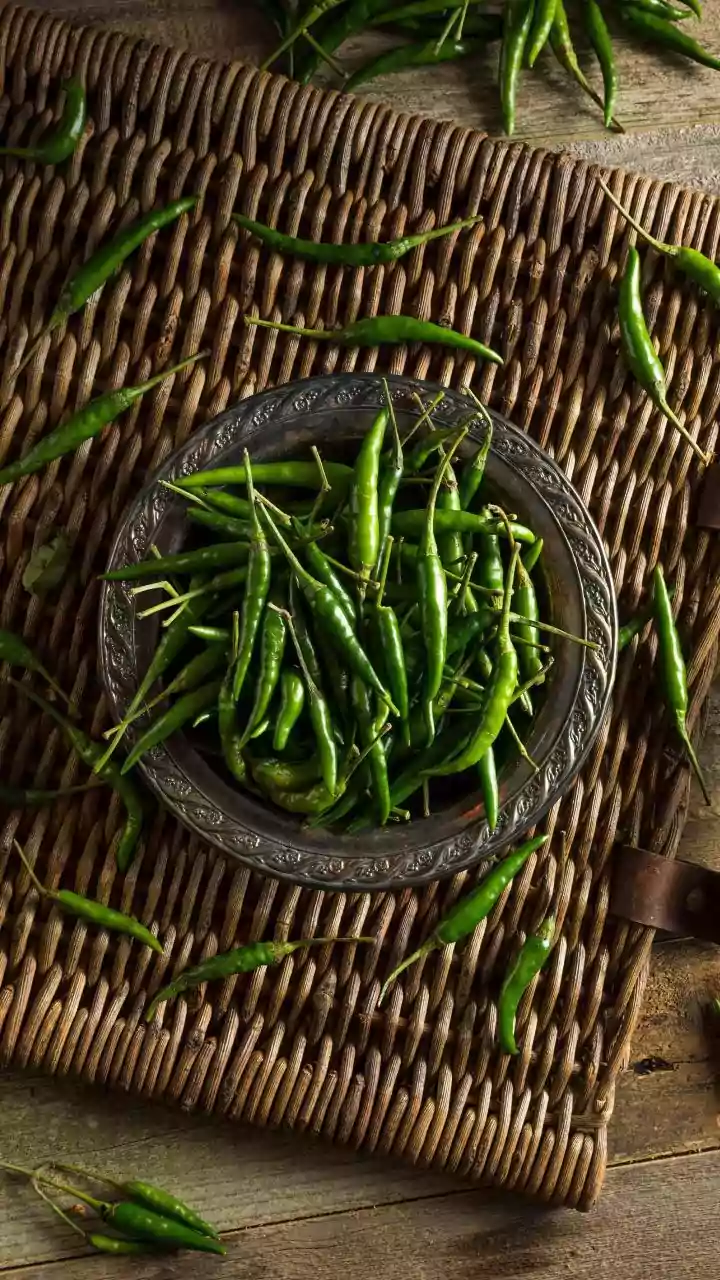
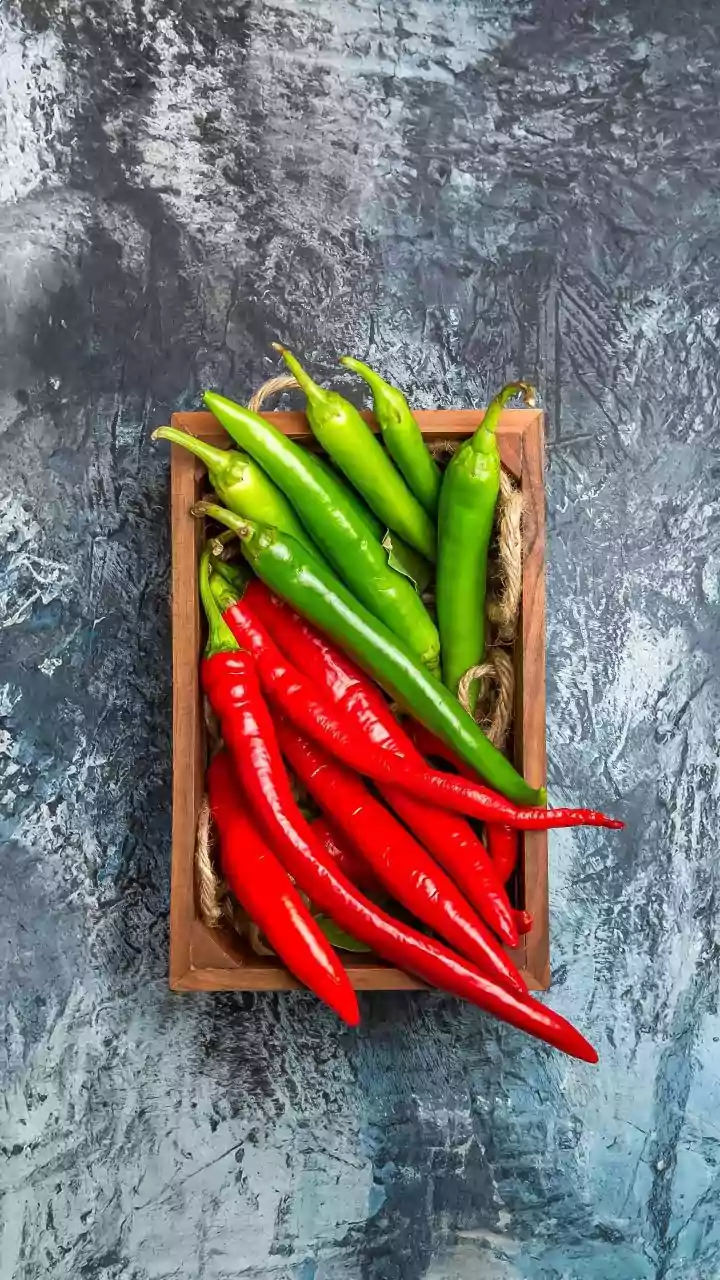
The secret to long-lasting peppers begins at the grocery store. Whether you're buying sweet bell peppers or spicy chillies, the selection process is key. Look for peppers with smooth, glossy, and firm skin. Avoid any that appear wrinkled, have soft spots,
or show signs of bruising, as these are already beginning to lose their freshness and will spoil much faster. A fresh pepper should feel heavy for its size, which indicates thick, hydrated walls. The stem should also be green and look fresh, not dried out or shrivelled. Starting with the highest quality produce gives you the best possible chance at extending its life in your kitchen.
The Refrigerator: Your First Line of Defence
For peppers you plan to use within a week or two, the refrigerator is your best friend. The ideal way to store whole, unwashed peppers is in the crisper drawer. Many sources suggest placing them in a breathable or micro-perforated bag to allow gases to escape while maintaining humidity, which can help them stay fresh for up to two weeks. It's important not to wash them until just before you're ready to use them, as excess moisture can accelerate decay. If you've already cut your peppers, store them in an airtight container in the fridge. While they won't last as long as whole peppers, this method will keep them crisp for a few days, perfect for quick additions to salads, stir-fries, or omelettes.
Freezing for Future Feasts
Freezing is arguably the easiest and most popular method for long-term pepper preservation. Frozen peppers lose their crisp texture, making them unsuitable for raw dishes, but they are perfect for cooked meals like soups, stews, sauces, and fajitas. The process is simple: wash the peppers, remove the stems and seeds, and then chop or slice them to your desired size. For best results, spread the pieces in a single layer on a baking sheet and 'flash freeze' them for about an hour. This prevents them from clumping together. Once solid, transfer the frozen peppers to a freezer-safe bag or container, removing as much air as possible. They can be stored in the freezer for up to a year.
Roasting to Deepen Flavour
Roasting peppers not only preserves them but also transforms their flavour, bringing out a deep, smoky sweetness. This method works well for larger varieties like bell peppers or poblanos. Simply roast them under a broiler, on a grill, or in a hot oven until the skin is blackened and blistered all over. Place the hot peppers in a covered bowl for about 10 minutes; the trapped steam will make the skins easy to peel off. Once peeled and seeded, the roasted peppers can be stored in an airtight container in the refrigerator for about a week, or frozen for several months. They are a fantastic, ready-to-use ingredient for sauces, dips, sandwiches, and pasta dishes.
Pickling for a Tangy Crunch
Pickling is another excellent preservation technique that adds a tangy flavour and helps retain some of the peppers' crunch. You can pickle almost any type of pepper, from sweet bell pepper rings to spicy jalapeños. A basic pickling brine consists of vinegar, water, salt, and sometimes sugar and spices like mustard seed or oregano. The peppers are packed into sterilized jars, and the hot brine is poured over them. Refrigerator pickles can be made quickly and will last for several weeks, while properly canned pickled peppers can be stored in the pantry for a much longer period.
Bringing It All Together
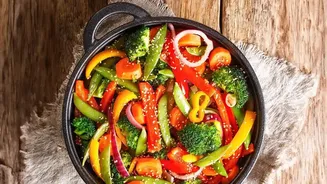
With a pantry and freezer stocked with preserved peppers, you have a head start on countless vegetarian meals. Toss frozen pepper strips directly into a hot stir-fry with tofu or paneer. Blend roasted red peppers into a creamy pasta sauce or a flavorful hummus. Use your pickled peppers to add a zesty kick to sandwiches, salads, or grain bowls. And of course, whole frozen peppers are perfect for making classic stuffed peppers, a hearty one-dish meal filled with rice, beans, and vegetables.