








A Supermarket, Not a Tourist Trap
For decades, the mark of a 'good' trip was a checklist of famous sights. But a growing number of people are seeking something more authentic. They want to experience a city as its residents do, not just as a visitor passing through. Tourist-heavy restaurants
and attractions often present a polished, idealised version of a place. A grocery store, on the other hand, cannot lie. It is a living, breathing archive of local life, offering an unfiltered glimpse into what people actually eat, how they cook, and what they value. It's the antidote to the curated Instagram feed, providing a dose of unfiltered reality that travellers are starting to crave. This search for authenticity is a powerful driver, turning a mundane chore into an act of genuine exploration.
A Portal to Local Culture
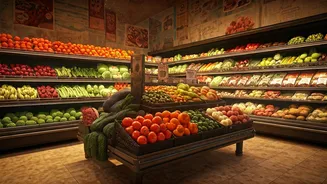
Every aisle in a foreign supermarket tells a story. Why is there an entire section dedicated to different types of salt? What are these unfamiliar vegetables, and how are they used? The sheer variety of ready-to-eat meals can reveal a city's work-life balance, while the prominence of local cheeses or regional spices speaks to its culinary identity. In India, for instance, the spice aisle is a universe unto itself, with regional blends and brands telling a complex story of taste and tradition. By contrast, a supermarket in Japan might showcase an incredible array of pickled items and perfectly packaged single-serving meals. Deciphering a grocery store's layout is like learning a new language, one that communicates a place's priorities, history, and daily rhythms far more effectively than a guidebook.
The Comfort of Routine
Moving to a new city, or even just staying for an extended period, can be a disorienting experience. Everything is unfamiliar, from the street names to the social customs. In the midst of this chaos, the simple act of grocery shopping can be an incredibly grounding ritual. It’s a familiar task in an unfamiliar setting. Locating the milk, choosing bread, and navigating the checkout process creates a small but significant sense of accomplishment and control. For digital nomads, remote workers, and students studying abroad, establishing this routine helps transform a foreign place into a temporary home. It’s a way of planting roots, however shallow, and building a sense of normalcy when everything else feels new and challenging.
An Economical Way to Explore
Beyond the cultural insights, there is a practical, economic reason for this trend. Travel can be expensive, and eating out for every meal is a quick way to drain a budget. Grocery shopping allows travellers to sample local flavours without the high price tag of a restaurant. Picking up fresh bread, local cheese, and some fruit for a simple picnic in a park is not only affordable but also a memorable experience in its own right. It empowers people to engage with local ingredients directly, perhaps even trying to cook a regional dish in their Airbnb. This hands-on, budget-friendly approach makes travel more accessible and sustainable for longer-term stays, aligning perfectly with the rise of 'slow travel'.
A Social Media Sensation
The trend has also been amplified by social media. TikToks of 'supermarket hauls' in foreign countries, Instagram stories showcasing bizarre snack foods, and Reddit threads asking for advice on the best local products have all contributed to its visibility. This isn't about showing off a fancy meal but sharing the joy of discovery in an everyday setting. A brightly coloured bag of chips or an unusual flavour of a familiar chocolate bar becomes a piece of content that is both relatable and intriguing. It allows people to share their travel experiences in a way that feels more personal and less performative than a photo in front of a landmark, inviting conversation and connection over shared curiosities.