




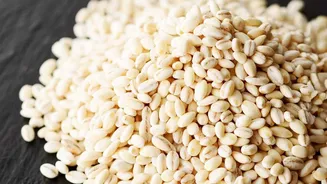

The Rise of Ancient Grains
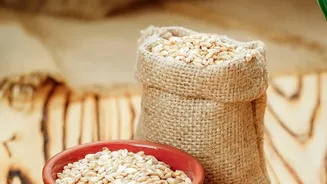
Before wheat and rice dominated our diets, millets like ragi (finger millet) and jowar (sorghum) were staples in Indian kitchens for centuries. Now, these 'superfoods' are making a major comeback, and for good reason. They are naturally gluten-free and packed
with nutrients that are often missing from modern processed foods. Ragi, for instance, is an incredible plant-based source of calcium, containing almost ten times more than rice. Jowar is loaded with dietary fibre, protein, and antioxidants. Both have a low glycemic index, which means they provide sustained energy without the sugar crash that follows a packet of biscuits.
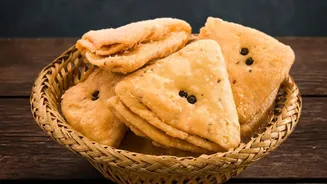
The Swap: Fried Samosa vs. Roasted Ragi Chips
The classic office samosa is tempting, but it is also a greasy, calorie-dense trap. A smarter swap for that crunchy craving is a handful of roasted or baked ragi chips. Unlike potato chips, which are mostly simple carbohydrates, ragi chips offer complex carbs and significantly more dietary fibre. This fibre helps you feel full for longer, preventing you from overeating. Plus, you get a solid dose of minerals like calcium and iron. Many brands now offer baked ragi chips in exciting flavours, but it is crucial to read the label. Look for 'baked' or 'roasted', not 'fried', and check the sodium content to ensure you are making a genuinely healthy choice.
The Swap: Sugary Biscuits vs. Wholesome Jowar Puffs
The communal biscuit tin is another work-day pitfall. Those sugary, refined-flour snacks offer a quick burst of energy followed by a crash. This is where jowar puffs come in. These light, airy snacks are high in fibre and protein, which promote satiety and help manage weight. The complex carbohydrates in jowar ensure a slow release of energy, keeping you focused through the afternoon. Jowar is also rich in antioxidants and promotes good digestive health. When choosing jowar puffs, opt for those seasoned with natural spices rather than artificial flavourings. They provide the savoury, 'chatpata' taste you crave without the empty calories of sugary biscuits.
Why The 'How' Matters: Baked, Not Fried
The term 'millet snack' is not automatically a synonym for 'healthy'. The preparation method is key. Deep-frying any flour, even a healthy one like ragi or jowar, adds a significant amount of fat and calories, negating many of the benefits. The best choice is always snacks that are roasted, baked, or air-fried, as these methods use minimal oil. Making your own is also a fantastic option. A simple dough of ragi flour, spices, and a little water can be rolled thin and baked into perfectly crispy chips in under 20 minutes. This gives you complete control over the ingredients, from the type of oil to the amount of salt.
Reading Labels Like a Pro
The Indian snack market is now flooded with 'healthy' options, but marketing can be misleading. To make a truly informed choice, ignore the claims on the front of the packet and go straight to the ingredient list and nutritional information. Here is what to look for: a short ingredient list with words you recognise, whole grains like 'whole ragi flour' listed first, low sodium content, and minimal to no added sugar. Be wary of terms like 'fried in vegetable oil' and look for processing methods like 'roasted' or 'baked'. A truly healthy snack should provide nutritional value beyond just satisfying a craving.