






The Current Situation: An Active Monsoon
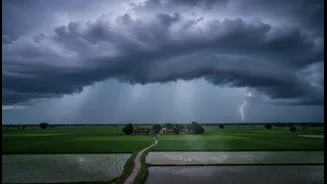
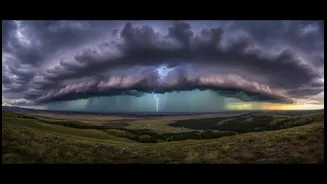
The India Meteorological Department (IMD) has forecast an active monsoon spell over large parts of the country, with heavy to very heavy rainfall expected across North India on July 12. This intensified rainfall is due to a combination of factors, including
an active monsoon trough extending to North India and a western disturbance creating cyclonic circulation over the region. Authorities are on alert as the persistent downpours have already begun to cause disruptions, and the risk of waterlogging in low-lying areas and damage to infrastructure is high.
High Alert in Mountain States
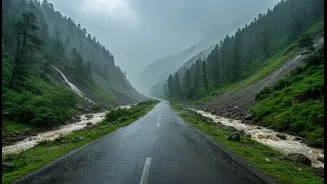
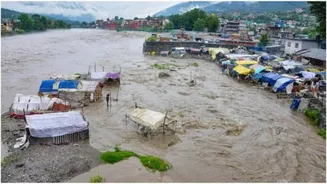
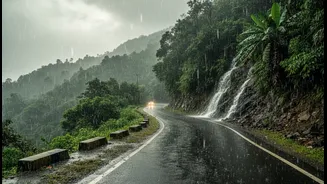
The Himalayan states of Himachal Pradesh and Uttarakhand are facing the most significant threat, with the IMD issuing alerts for continued heavy rainfall. These regions are particularly vulnerable to landslides, rockfalls, and flash floods. In Himachal Pradesh, heavy rains on Saturday already triggered multiple landslides in and around Shimla, damaging homes, blocking roads, and causing a bridge to collapse in Kinnaur district. Similarly, Uttarakhand has seen over 120 roads blocked due to landslides, with the administration advising Char Dham pilgrims to check weather conditions before travelling. The State Emergency Operations Centre has directed all districts to remain on high alert.
Impact on the Plains: Delhi, Punjab, and Haryana
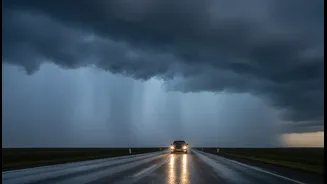
Heavy rainfall warnings are also in effect for the northern plains. For July 12, the IMD has predicted heavy rain, thunderstorms, and strong winds for parts of the Delhi-NCR, including Noida, Ghaziabad, and Gurugram. Commuters have been warned of potential traffic disruptions and waterlogging in low-lying areas and underpasses. In Punjab and Haryana, the IMD has forecast heavy rainfall for northern districts through July 12, advising residents to be cautious of temporary waterlogging and traffic snarls.
What You Can Do to Stay Safe
Authorities have issued advisories for residents in the affected areas. The primary advice is to avoid unnecessary travel, especially in the hill states where the risk of landslides is high. Stay away from rivers and streams, as water levels can rise rapidly without warning. For those in urban areas, avoid driving through waterlogged streets and be wary of open drains. It is crucial to stay informed through official channels like the IMD and local disaster management authorities. Ensure your mobile phones and power banks are charged in case of power cuts, and keep an emergency kit with essentials handy.