


Ziro Valley, Arunachal Pradesh
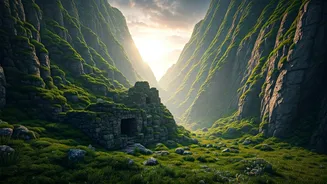
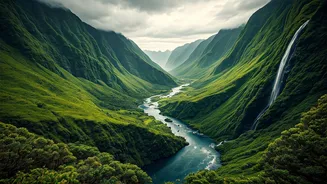
Tucked away in India's remote northeast, Ziro Valley is a UNESCO World Heritage tentative site that sheds its quiet demeanor for a coat of vibrant, electric green during the monsoon. The rains breathe life into the valley's sprawling rice paddies, creating
a serene, mirror-like landscape under moody grey skies. Home to the Apatani tribe, known for their sustainable agriculture, a visit here is as much a cultural immersion as it is a natural one. The monsoon months (July to September) are for travelers who don't mind a bit of mud on their boots and crave solitude. It’s a place to sip butter tea, watch the clouds roll through the hills, and feel completely disconnected from the hustle of modern life.
Malshej Ghat, Maharashtra
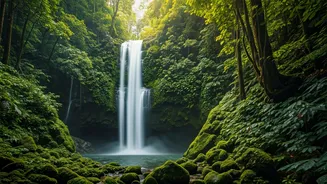
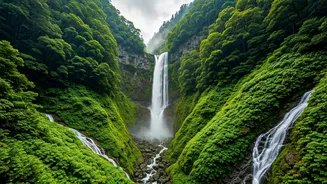
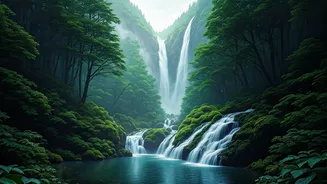
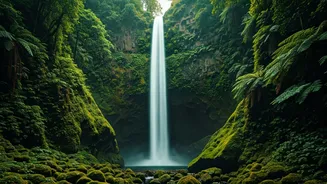
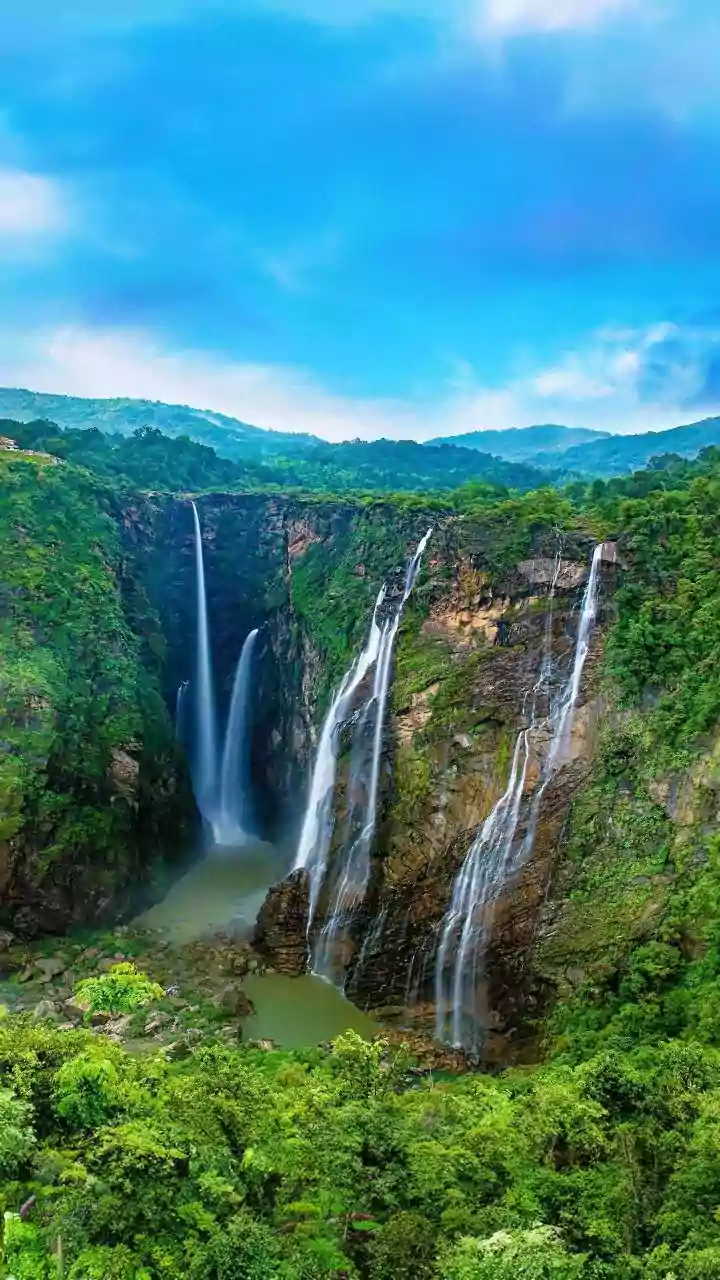
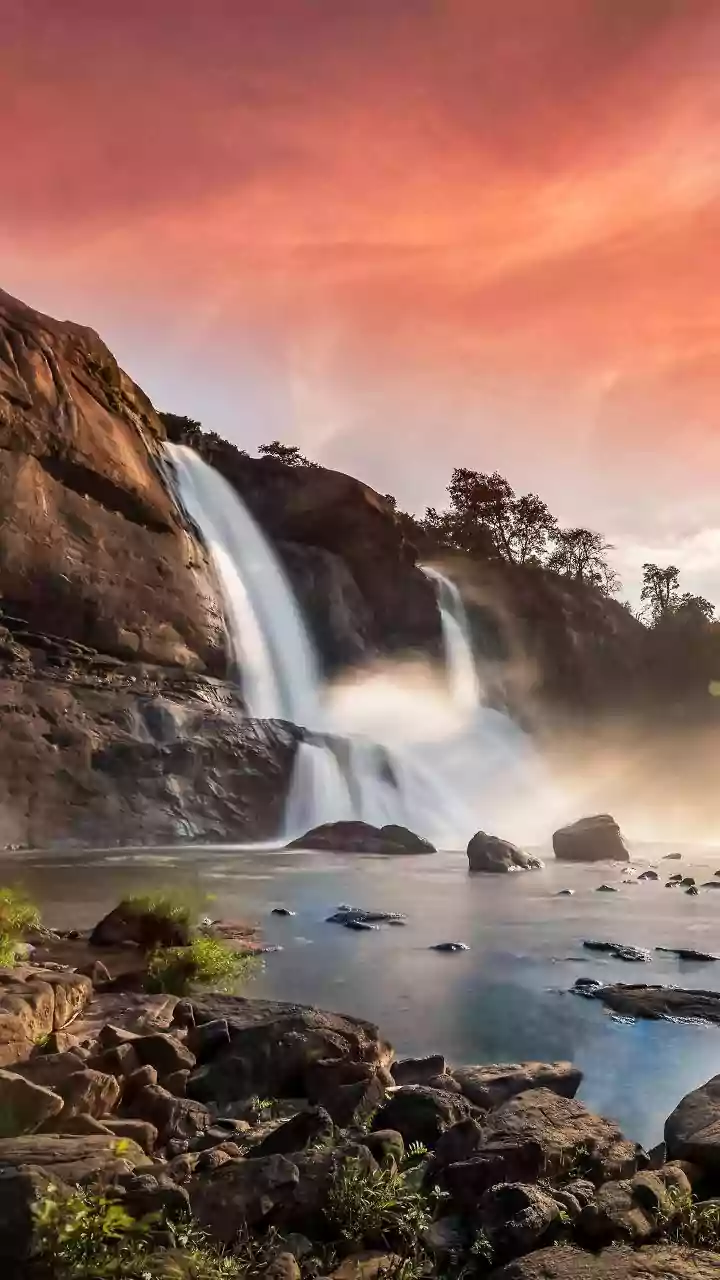
A few hours' drive from Mumbai, this mountain pass in the Western Ghats becomes a theater of cascading water during the rainy season. As the monsoon clouds gather, hundreds of waterfalls, ranging from gentle trickles to roaring torrents, burst forth from the rock faces lining the winding roads. The entire area is blanketed in a thick, cool mist that can reduce visibility to a few feet, creating an ethereal, almost mysterious atmosphere. Malshej Ghat isn't about a single destination; it's about the journey itself. Driving or hiking through this foggy, drenched landscape, with flamingos dotting nearby lakes, feels like wandering through a dream. It's a perfect weekend escape for those seeking dramatic natural beauty.
Orchha, Madhya Pradesh
While most tourists flock to the deserts of Rajasthan, the oft-overlooked town of Orchha in central India offers a different kind of magic. Its magnificent 16th-century palaces, temples, and cenotaphs (chhatris) stand stoically along the banks of the Betwa River. During the monsoon, the dry, dusty landscape turns a surprisingly lush green, and the river swells. The dark, dramatic storm clouds provide an unforgettable backdrop to the ancient stone architecture, making the monuments feel even more grand and imposing. The crowds are thin, allowing you to explore the sprawling ruins in peaceful silence, accompanied only by the sound of the rain and the rushing river. It’s a historian’s and photographer’s paradise.
Chikmagalur, Karnataka
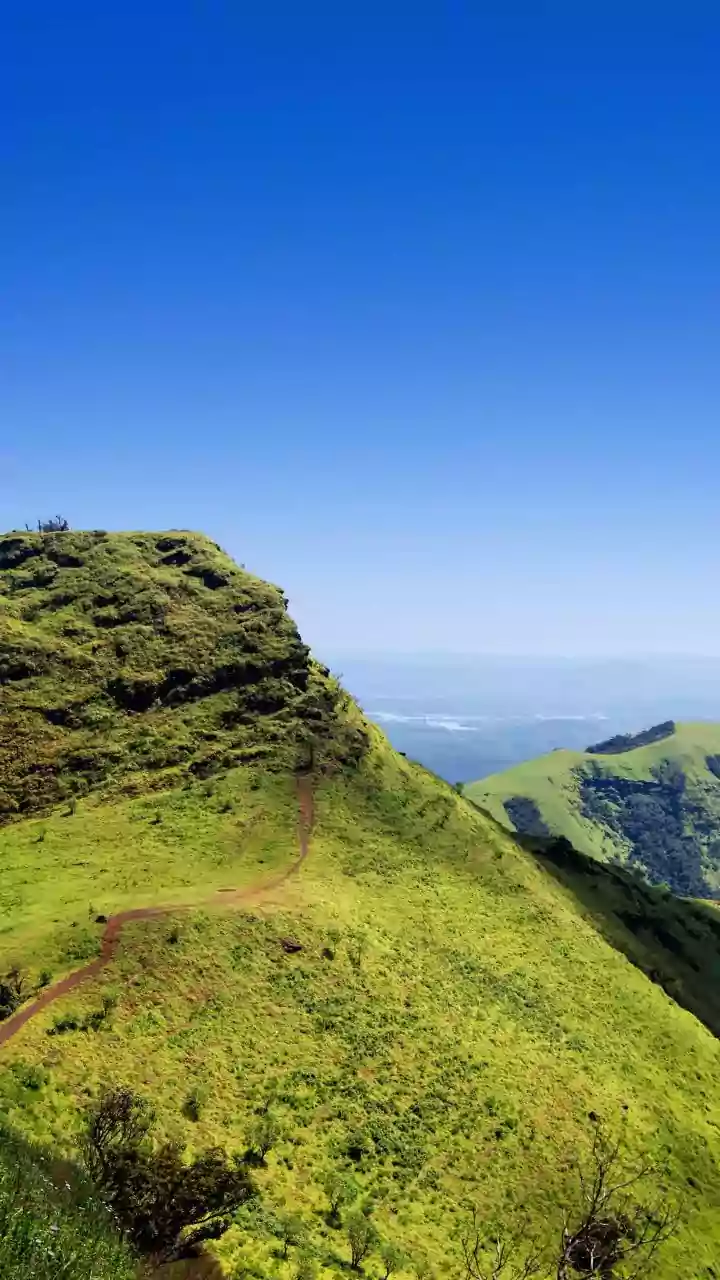
Known as the 'Coffee Land of Karnataka,' Chikmagalur is a hilly retreat that becomes a lush paradise from June to September. The rain washes the landscape clean, leaving behind emerald-green coffee plantations that stretch as far as the eye can see, often shrouded in a delicate mist. The air is cool, fresh, and heavy with the scent of wet earth and blossoming coffee flowers. It's an ideal spot for trekkers, with trails leading to peaks like Mullayanagiri (the highest in Karnataka) that offer jaw-dropping views of the cloud-filled valleys below. For those less inclined to hike, simply relaxing in a cozy homestay with a cup of locally grown coffee while watching the downpour is an experience in itself.
Valley of Flowers, Uttarakhand
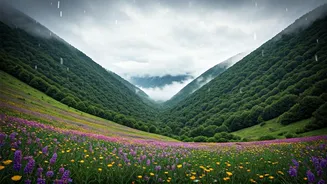
This is perhaps the most aptly named destination on the list. A high-altitude Himalayan valley and a national park, the Valley of Flowers is dormant for most of the year, hidden under a blanket of snow. But with the arrival of the monsoon in July and August, it explodes into a riot of color. Over 300 species of alpine flowers bloom across the vast meadows, creating a vibrant natural carpet set against a backdrop of snow-capped peaks. Reaching the valley requires a multi-day trek, making the final reveal all the more rewarding. It’s a challenging journey reserved for seasoned hikers, but the sight of a landscape so completely alive with blossoms is a vision of heaven on earth.