



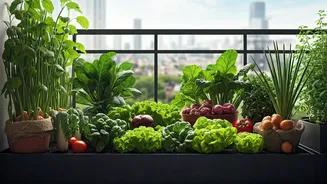


A Green Wave in the Concrete Jungle
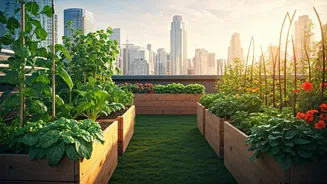
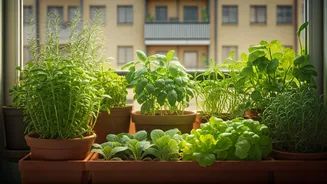
From the high-rises of Mumbai to the apartment complexes of Bengaluru and Delhi, urban spaces are getting a green makeover. This isn't about large-scale landscaping but something far more personal: balcony farming. City dwellers are converting their small
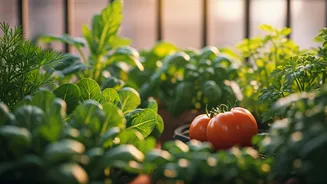
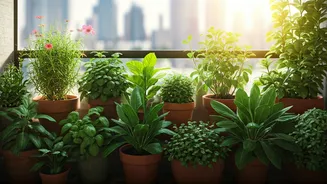
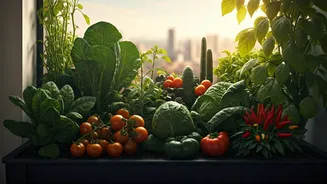
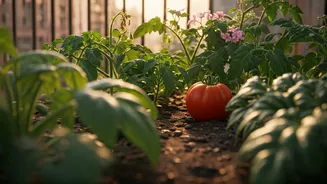
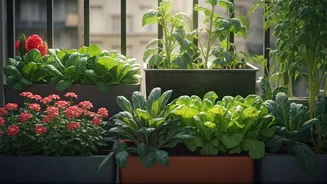
outdoor spaces—patios, windowsills, and terraces—into productive kitchen gardens. What started as a niche hobby for a few has blossomed into a full-fledged cultural movement, fueled by a collective desire to reconnect with nature and food. Walk through any modern residential area, and you are increasingly likely to spot a curtain of hanging tomato vines, a pot of fragrant mint, or the bright yellow flowers of a pumpkin creeper, all thriving stories above the ground.
The Seeds of Change: Why Now?
Several factors are driving this green surge. At the forefront are concerns about food quality and safety. Stories about pesticide-laden vegetables and artificially ripened fruits have made many consumers wary of what they buy. Growing their own produce offers an assurance of quality and a return to organic principles. The COVID-19 lockdowns also played a significant role, forcing people to spend more time at home and inspiring them to find meaningful, screen-free activities. Gardening provided a perfect outlet—a therapeutic, productive hobby that beautified living spaces and put fresh food on the table. This convergence of health consciousness, a need for new hobbies, and food anxiety created the perfect soil for the balcony farming trend to flourish.
More Than Just a Harvest
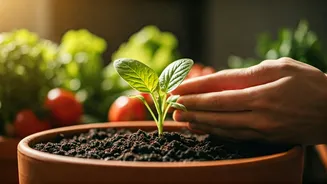
The benefits of balcony gardening extend far beyond the kitchen. For many, it's a form of active meditation and a powerful tool for mental wellness. The simple act of nurturing a plant from seed to harvest can reduce stress, improve focus, and provide a profound sense of accomplishment. In a world of instant gratification, gardening teaches patience and resilience. It serves as a daily reminder of nature's cycles, grounding urbanites who often feel disconnected from the natural world. For families, it’s a wonderful educational tool, teaching children where their food comes from and fostering a sense of responsibility. These small green patches become personal sanctuaries, offering a moment of peace amidst the chaos of city life.
The Digital Age Gardener
Today’s balcony farmer is not gardening in isolation. A vibrant digital ecosystem has sprung up to support the movement. Social media platforms like Instagram and Facebook are filled with dedicated groups where enthusiasts share tips, troubleshoot problems, and proudly display their harvests with hashtags like #balconygarden and #urbangardening. YouTube is a treasure trove of tutorials on everything from creating the right soil mix to dealing with common pests. This digital community has democratised gardening knowledge, making it accessible to complete beginners. Simultaneously, a host of e-commerce startups like Ugaoo, TrustBasket, and All That Grows have emerged, offering everything from seeds and organic fertilisers to stylish pots and self-watering systems, delivered right to the doorstep. This fusion of ancient practice and modern technology has made it easier than ever to start growing.
What's Growing on Indian Balconies?
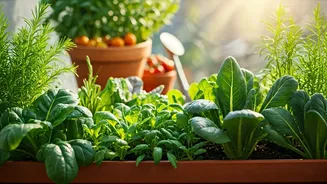
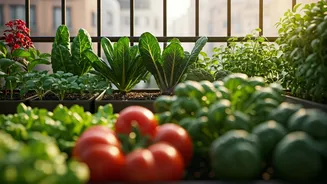
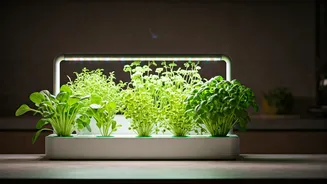
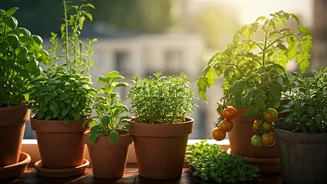
The variety of what can be grown in a small space is surprising. While staples like tomatoes, chillies, brinjal, and ladies' fingers remain popular, gardeners are becoming more adventurous. Many are cultivating a wide array of herbs like basil, rosemary, and lemongrass, providing fresh flavours for their cooking. Leafy greens such as spinach, lettuce, and kale are also favourites, perfect for quick salads. Microgreens—nutrient-packed baby plants—have become a huge trend, easy to grow on a windowsill. Even climbing vegetables like cucumbers and bottle gourds are being successfully cultivated using trellises. This diversification shows that balcony farming is not just about subsistence; it's also about culinary exploration and enjoying the pleasure of eating something you’ve grown with your own hands.