







The Old Model: Catching Problems at the Counter
Traditionally, India's food safety approach has been reactive. The Food Safety and Standards Authority of India (FSSAI) and state-level officers have primarily focused on inspecting final products sold in markets and eateries. This system, consolidated
under the Food Safety and Standards Act of 2006, was a major step up from previous fragmented laws. However, its core limitation remains: it catches contamination or adulteration after the fact. This approach is often described as a 'last-mile' check, which can be insufficient for a complex and vast food ecosystem. Issues like poor hygiene, inadequate testing infrastructure, and a shortage of food safety officers have made comprehensive enforcement a major challenge.
The Big Shift: From Punishment to Prevention
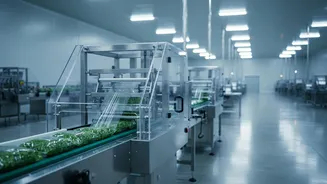
The new regulatory direction is a fundamental pivot towards a preventive, science-based safety system that monitors the entire supply chain. The idea is simple: it is better to prevent food from becoming unsafe than to catch it at the point of sale. This 'farm-to-fork' strategy involves embedding safety and traceability from the source of ingredients through processing, transport, and warehousing. Recent reforms in 2026 are geared towards making this happen, aiming to reduce compliance burdens on businesses while increasing accountability throughout the food's journey. This shift aligns India with global best practices and aims to build consumer confidence in the safety of both packaged and fresh foods.
Technology as the New Watchdog
This ambitious overhaul is heavily reliant on technology. FSSAI is pushing for a technology-enabled, risk-based inspection system. Instead of random or routine checks, inspections will be prioritized based on a business's compliance history, the type of food handled, and other risk factors. Digital platforms like the Food Safety Compliance System (FoSCoS) portal and the Single Window Interface for Facilitating Trade (SWIFT) 2.0 are being used to digitize documentation, track supply chains, and improve transparency for both domestic products and imports. For businesses, especially in warehousing and logistics, this means adopting systems that can enforce 'First Expiry, First Out' (FEFO) inventory management and provide batch traceability for every single product.
What It Means for Businesses
The changes introduce both challenges and opportunities. For small businesses and street vendors, FSSAI has tried to simplify things. For instance, vendors registered under the Street Vendors Act are now deemed registered with FSSAI, eliminating duplicate paperwork. For larger food companies, the onus of responsibility is increasing. An emerging idea is to designate large processors and retailers as 'Registered Food Safety Intermediaries', making them legally responsible for the safety of food moving through their entire supply network, including their smaller suppliers. While this increases their compliance burden, it also incentivizes them to invest in quality and safety, which can strengthen their brand. The introduction of perpetual licenses, replacing the need for periodic renewals, also aims to reduce administrative hurdles for all.
A Safer Plate for Consumers?
Ultimately, the goal of this systemic reform is to provide safer food for India's 1.4 billion citizens. A more transparent and accountable supply chain means a lower risk of contamination from pesticides, heavy metals, or poor hygiene. It also aims to combat the widespread issue of food adulteration, which has become an organised activity in some sectors. While the full impact of these reforms will depend on effective implementation and enforcement, the shift in philosophy is significant. By making the entire supply chain accountable, regulators hope to build a food ecosystem where safety is not an afterthought but an integral part of the process, from the farm all the way to the dinner table.