








The End of the Orange Card
For decades, the small, orange Incoming Passenger Card has been a mandatory final hurdle for every international traveller arriving in Australia. Filled out in the final moments of a flight, often with a borrowed pen, the card collects essential customs
and biosecurity information. But that era is officially drawing to a close. The Australian government has announced it is permanently replacing the paper forms with a digital system called the Australia Travel Declaration (ATD). The $56.1 million initiative aims to modernise the country's borders, making the arrival process faster, more convenient, and more secure for millions of visitors and returning citizens.
Introducing the Australia Travel Declaration
The Australia Travel Declaration, or ATD, is the new digital alternative to the paper card. Instead of completing a form on the plane, travellers will be able to submit all their personal, customs, and biosecurity declarations online before they fly. The system collects the same information as the paper card but allows authorities to receive and assess passenger data earlier, which helps to identify potential biosecurity or security risks more effectively. The government's goal is to create a more seamless border experience, allowing visitors to spend less time in queues and more time enjoying their trip.
How the New Digital Process Works
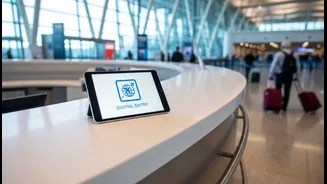
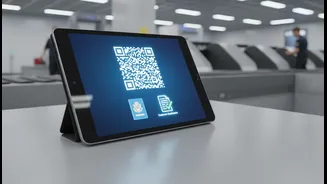
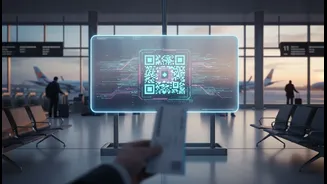
Travellers can complete the ATD via a web-based form up to three days before their departure. After submitting their details, they will receive a digital pass with a unique QR code. This code can be saved to a mobile device and will be scanned by Australian Border Force officers upon arrival, even without an internet connection. The initial rollout is through a purpose-built website, with plans to integrate the declaration into airline apps in the future, similar to the successful pilot program run with Qantas. During the transition, paper cards will remain available for passengers who are unable to use the digital service.
Timeline for the National Rollout
The move to a fully digital system will not happen overnight. The nationwide rollout follows a successful trial that began in October 2024 and involved over 450,000 Qantas passengers arriving in Sydney, Melbourne, and Brisbane. The government has confirmed the system will be expanded to Perth and Adelaide airports before the end of 2026. From there, it will be progressively phased in at all other international airports and seaports across Australia over the next 12 to 18 months. Travellers flying to airports not yet part of the digital system will still need to complete a paper card for the time being.
Why Australia Is Going Digital
The decision to scrap paper cards brings Australia in line with other major travel destinations like Singapore, Japan, and New Zealand, which have already embraced digital entry systems. The tourism sector has praised the move, noting that the paper-based system was seen as antiquated. Beyond convenience, the digital system provides higher quality data for risk assessment and allows authorities to respond more quickly to global events like biosecurity threats. This change is also part of a broader strategy to prepare for increased visitor numbers ahead of the Brisbane 2032 Olympic and Paralympic Games.
Tips for a Smooth Arrival
To ensure your arrival is as seamless as possible, it is recommended to complete the Australia Travel Declaration online before you travel, as soon as it becomes available for your flight. Taking a screenshot of your final QR code is a good backup in case you have trouble accessing your email or the app upon landing. It's important to remember that the ATD is a declaration, not a visa. Travellers must still secure the appropriate Australian visa, eVisitor, or Electronic Travel Authority (ETA) before their trip. As the system is still in a phased rollout, always double-check the specific requirements for your airline and arrival airport closer to your departure date.