
The Great Indian Road Trip, Reimagined
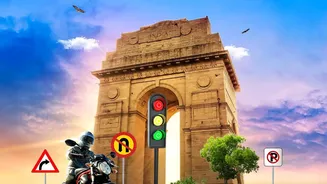
The dream of a seamless cross-country road trip is fast becoming a reality. The government's ambitious Bharatmala Pariyojana is transforming India's highway network, building economic corridors, and drastically cutting travel times. For travellers, this
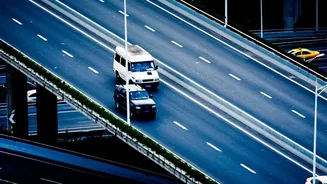
means destinations that once required days of arduous driving are now more accessible. For instance, the Bengaluru-Mysuru Expressway has slashed the journey from three hours to just 75 minutes. Similarly, the Delhi-Meerut Expressway has reduced a two-and-a-half-hour trip to a mere 50 minutes. In the Himalayas, tunnels like the Sela Tunnel in Arunachal Pradesh now provide all-weather connectivity to strategic and scenic places like Tawang, cutting travel time by over an hour and bypassing treacherous routes. These expressways are also being designed as tourism corridors, connecting multiple destinations on a single, smooth route. The Delhi-Mumbai Expressway, for example, links Jaipur, Ranthambore, and Sariska, creating a heritage and wildlife circuit. This infrastructure push isn't just about speed; it's about making the journey itself part of the experience, opening up remote landscapes and previously isolated communities.
Riding the Rails to New Frontiers
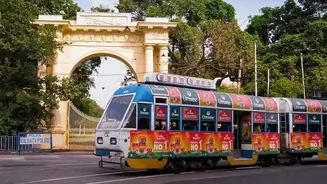
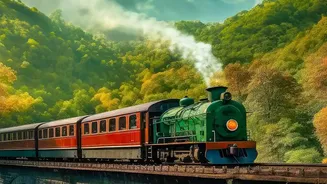
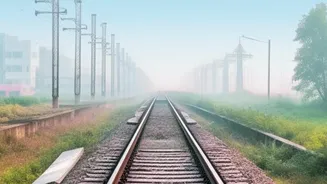
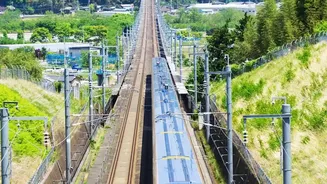
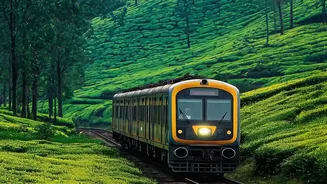
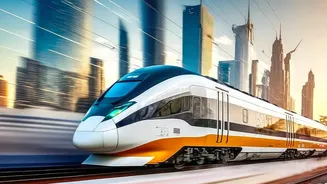
Indian Railways is also undergoing a significant modernisation, spearheaded by the semi-high-speed Vande Bharat Express trains. These trains are not only faster but are also connecting key tourist, pilgrimage, and cultural hubs, making rail travel a more appealing option for many. Routes like New Delhi to Varanasi and Mumbai to Goa have become significantly quicker, encouraging short weekend trips. The network's expansion is specifically targeting heritage travel. New services now connect passengers to UNESCO World Heritage Sites like the Khajuraho Group of Monuments and Agra's Taj Mahal with greater ease. A proposed extension of the Bengaluru-Goa Vande Bharat service will connect Karnataka's coastal towns like Murdeshwar and Gokarna, destinations popular for their beaches and temples. This focus on enhancing connectivity to religious and cultural sites is also evident in the development of seven new high-speed rail corridors announced in the 2026 Union Budget, which aim to further promote intercity tourism.
Taking Flight to Tier-2 Treasures
Perhaps the most dramatic change in accessibility comes from the skies. The regional connectivity scheme, UDAN (Ude Desh ka Aam Naagrik), has been a game-changer, more than doubling the number of operational airports in India from 74 in 2014 to over 160. This scheme aims to connect unserved and underserved airports, bringing smaller towns and remote regions onto the national aviation map. As a result, destinations that were once prohibitively difficult to reach are now just a short flight away. Places in the Northeast like Mizoram, previously hampered by limited access, are experiencing a tourism boom, partly driven by improved air and rail links. The government's plan to develop 100 new airports under a modified UDAN scheme will further boost connectivity to remote, hilly, and island regions. This expansion not only makes travel easier for tourists but is also designed to stimulate local economies and create new opportunities in hospitality and trade.
The Dawn of a New Travel Era
This multi-pronged infrastructure development is creating a ripple effect across the country. Improved last-mile connectivity is crucial, and initiatives like the Swadesh Darshan scheme are working to enhance tourist amenities at these newly accessible locations. The impact is particularly noticeable in the Northeast, where strategic investments in roads, rail, and air links are helping the region shed its 'well-kept secret' tag and emerge as a primary growth area for tourism. This push is not just about bringing in more tourists; it's also about creating a more sustainable and balanced tourism model. By promoting lesser-known destinations, authorities hope to ease the pressure on overcrowded hotspots. For the Indian traveller, this translates into a wider array of choices, easier journeys, and the exciting prospect of exploring the unexplored corners of their own country.