




A Search for Simpler Times
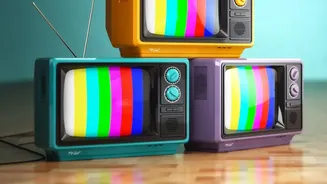
The world of 90s Indian television was, in many ways, a simpler one. Before the advent of high-stakes reality TV and complex, often dark, streaming sagas, there were shows like 'Dekh Bhai Dekh' and 'Hum Paanch'. These series, centered on the charming
chaos of joint families, offered relatable humour and warmth. For young viewers today, grappling with digital overload and uncertain futures, these shows provide a form of psychological comfort. Psychologists note that nostalgia often acts as a resource during times of stress, offering a 'warm hug of familiarity'. Watching these classics isn't just about entertainment; it's about retreating into a world that feels safer, more predictable, and fundamentally kinder than the often-turbulent present.
The Digital Time Machine
This wave of nostalgia wouldn't be possible without technology. The very streaming platforms that offer cutting-edge content are also becoming digital archives of a bygone era. OTT services like YouTube, Hotstar, and SonyLIV have made it incredibly easy to access a vast library of Doordarshan classics and other 90s hits, from 'Shaktimaan' to 'Sarabhai vs Sarabhai'. What was once appointment viewing—forcing families to gather around the TV at a specific time—is now available on demand. This accessibility removes the barrier of entry for Gen Z, allowing them to discover and consume shows that aired before they were born with the same ease as any current blockbuster.
Connecting Across Generations
The trend also serves a vital social function: bridging the gap between generations. For many young Indians, watching shows their parents grew up with creates a shared cultural language. It's a way to connect with their family's past and understand the world that shaped them. Discussing the antics of the Diwan family from 'Dekh Bhai Dekh' or the futuristic adventures of 'Captain Vyom' becomes a bonding experience. In a fast-changing India, these shows act as a cultural anchor, reminding viewers of a shared heritage and providing common ground for conversations between millennials, Gen Z, and their parents.
The Relatability of the Everyday
Unlike the larger-than-life spectacles that dominate screens today, many 90s shows were rooted in the everyday realities of middle-class India. Series like 'Malgudi Days', based on R.K. Narayan’s stories, or 'Wagle Ki Duniya', captured the small joys and struggles of ordinary life with a gentle authenticity. Even sitcoms like 'Sarabhai vs Sarabhai', with its witty class commentary, felt grounded in recognizable family dynamics. This focus on character-driven stories and relatable situations, free from excessive drama, is a key part of their enduring appeal. The narratives weren't just mirrors of their time; they explored universal themes of family, friendship, and community that still resonate deeply today.
Marketers Mine for Nostalgic Gold
Where culture goes, commerce follows. Brands have been quick to recognize the power of this trend, launching nostalgia-driven marketing campaigns. The primary targets are millennials, who are now in their prime spending years and hold fond memories of the 90s. We've seen this in Cadbury's reimagined 'Kuch Khaas Hai' ad and Paper Boat's entire brand philosophy built around childhood memories. This marketing blitz further fuels the trend, reintroducing 90s aesthetics, music, and celebrities like Raveena Tandon and Sushmita Sen—now starring in new OTT shows—into the mainstream. For Gen Z, who may not have lived through the era, this marketing creates a sense of 'vicarious nostalgia', making the past feel like a cool, curated aesthetic to adopt.