


The Real Cost of Convenience
In our fast-paced lives, convenience often wins. Restaurant and takeout meals, however, frequently come with hidden costs. Studies show that meals prepared outside the home typically contain significantly higher amounts of sodium, unhealthy fats, sugar,
and overall calories compared to home-cooked food. This reliance on convenience can make weight management more difficult and detract from a healthy diet. Cooking at home provides complete control over what goes into your food, allowing you to tailor meals to your specific health goals and dietary needs. By choosing your own ingredients, you can avoid unwanted additives and preservatives common in processed and pre-packaged foods. The benefits aren't just physical; taking the time to prepare a meal can also be a form of mindful relaxation and an opportunity to connect with family.
It’s All About Strategy, Not Sacrifice
Bridging the gap between a healthy meal and a convenient one doesn't require you to become a gourmet chef overnight. The secret isn't about finding more time, but about using your time more strategically. It starts with a simple mindset shift: think preparation, not just cooking. By dedicating a small amount of time once or twice a week to prep, you can set yourself up for success on busy weeknights. This removes the dreaded "what's for dinner?" decision fatigue that often leads to unhealthy choices. A little planning transforms cooking from a daily chore into a quick, assembly-line process.
Master Your Meal Prep
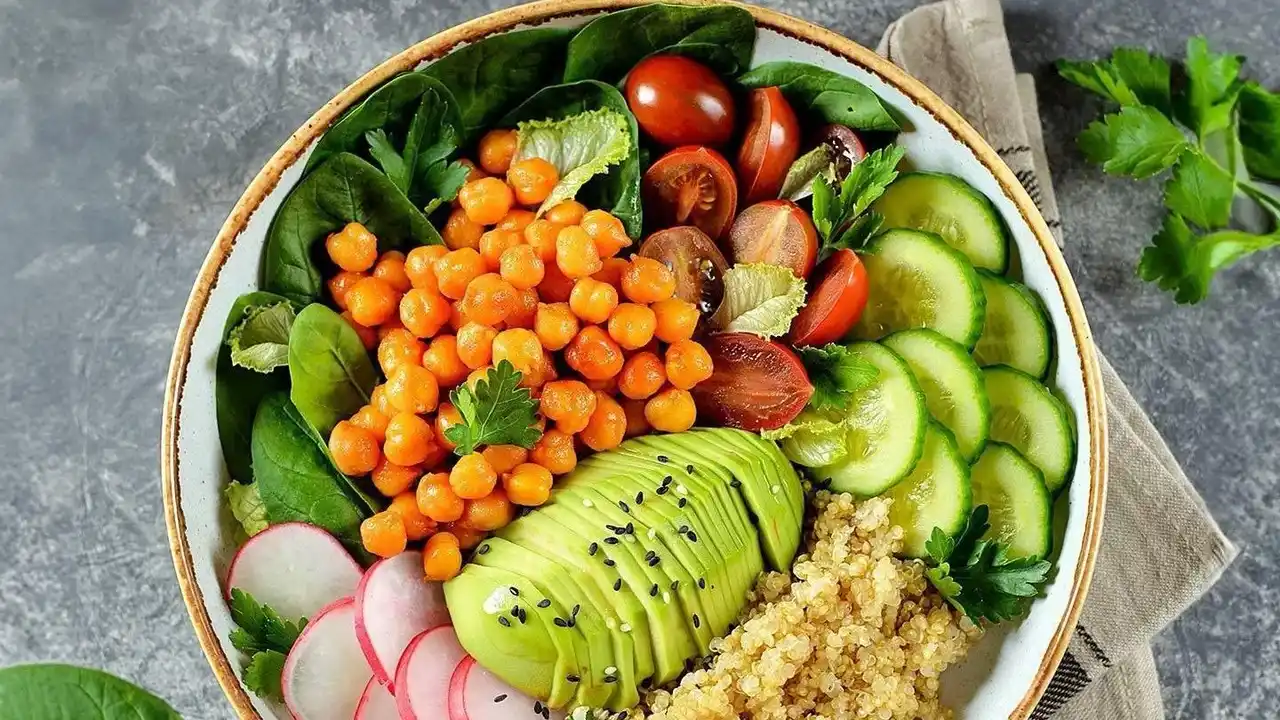
Meal prepping is the cornerstone of quick weeknight dinners. Spending 60-90 minutes on a Sunday can save you hours during the week. Start simple by batch-cooking versatile components. Cook a large portion of a whole grain like quinoa or brown rice. Roast a sheet pan of seasoned chicken breasts or a variety of vegetables like broccoli, bell peppers, and sweet potatoes. Hard-boil a dozen eggs. Once cooked, store these components in separate containers in the fridge. Throughout the week, you can mix and match them to create different 'build-a-bowl' meals, salads, or wraps, ensuring you don’t get bored. Even just pre-chopping vegetables or making a couple of dressings can drastically cut down on your daily cooking time.
Embrace Smart Shortcuts
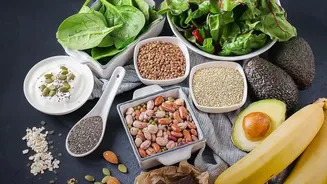
Healthy cooking doesn't always have to mean starting from scratch. Your freezer and pantry are your allies. Frozen fruits and vegetables are just as nutritious as fresh ones—sometimes even more so, as they are often frozen at peak ripeness, locking in vitamins and minerals. Keeping staples like frozen spinach, peas, and berries on hand makes it easy to add a nutritional boost to any meal. Likewise, a well-stocked pantry with canned beans, lentils, canned tomatoes, and quick-cooking grains like couscous provides the foundation for countless fast meals. Don't shy away from healthy convenience items like pre-cut vegetables or bagged salads when you're truly short on time.
Simplify Your Cooking Methods
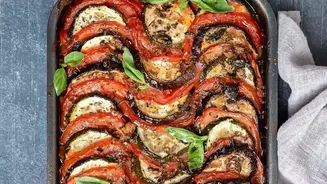
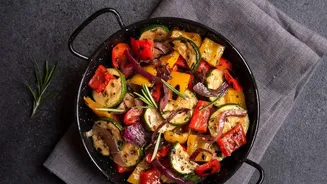
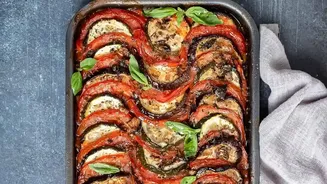
The fewer dishes you have to wash, the better. One-pan and one-pot meals are the ultimate solution for minimizing both cooking and cleaning time. Sheet-pan dinners are a game-changer: simply toss your protein (like salmon, chicken, or chickpeas) and vegetables with oil and seasonings, spread them on a baking sheet, and roast. Stir-fries are another excellent 30-minute option, allowing you to combine protein and a mix of fresh or frozen vegetables in a single wok or skillet. Simple pastas, hearty soups, and skillets where everything simmers together are also perfect for creating a complete, flavourful meal with minimal fuss.