
Why Visit in the Monsoon?
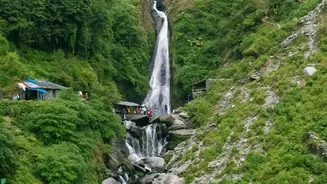
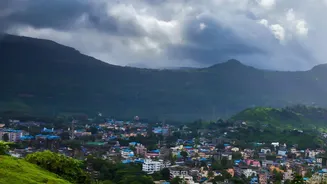
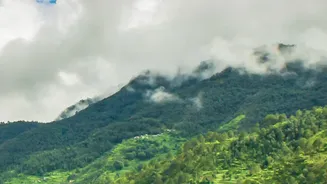
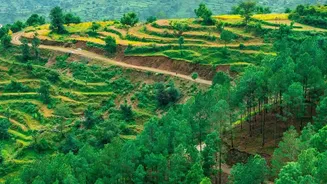
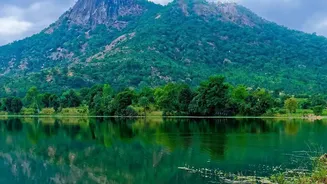
While many parts of Himachal can be risky during the rains, Tirthan Valley and its quieter neighbour, Shoja, transform into a verdant paradise. The monsoon, from July to September, brings the landscape to life with vibrant greenery, cascading waterfalls,
and a mystical, misty atmosphere. It's a season for those who appreciate slow travel and wish to see the mountains in their most lush and romantic state. Unlike over-commercialized destinations, this region offers a peaceful ambience where the sound of the flowing river and the rain-washed forests are the main attractions. However, caution is advised, as heavy rains can lead to slippery trails and potential road blockages.
Reaching Tirthan and Shoja
The journey to these valleys is an adventure in itself. The most common route is by road from Delhi or Chandigarh. The drive from Delhi takes approximately 12-14 hours. The key is to reach Aut, a small town on the Chandigarh-Manali highway (NH21). Just before the Aut tunnel, you take a right turn towards Banjar, which is the main town for the valley. From Banjar, Tirthan's main hubs like Gushaini are a short drive away, while Shoja is located at a higher altitude, about 5 km before Jalori Pass. Overnight Volvo buses from Delhi to Manali are a convenient option; you can get off at Aut and hire a local taxi. The nearest airport is Bhuntar (Kullu), around 50 km away, from where taxis are readily available.
Exploring Tirthan Valley
Tirthan Valley is a haven for nature lovers. It serves as the gateway to the Great Himalayan National Park (GHNP), a UNESCO World Heritage Site teeming with diverse flora and fauna. A key activity here is simply relaxing by the pristine Tirthan River, known for its trout population, making angling a popular pastime. The valley is dotted with charming villages like Gushaini and Nagini, where you can experience authentic Himachali life. Gentle hikes to nearby waterfalls and through dense pine forests are perfect for monsoon exploration. Many visitors combine their trip with a visit to the adjacent Jibhi, known for its quaint wooden cottages and cafes.
The Quiet Charm of Shoja
Perched higher than Tirthan, Shoja is a quieter village that offers breathtaking panoramic views of the surrounding peaks and valleys. It is the ideal base for treks to Jalori Pass, located just 5 km away. From the pass, two popular and relatively easy treks await. One leads to Serolsar Lake, a serene high-altitude lake surrounded by dense oak trees. According to local legend, birds miraculously keep the lake's surface clear of any fallen leaves. The other trek takes you to the ruins of Raghupur Fort, which offers a stunning 360-degree view of the Himalayas. During the monsoon, these trails are exceptionally green, but can be slippery, so good footwear is essential.
Accommodation: Homestays and Guesthouses
The best way to experience this region is by staying in one of the many family-run homestays. These offer warm hospitality, delicious home-cooked traditional meals, and an intimate connection with the local culture. You can find a range of options, from budget-friendly rooms to charming wooden cottages and boutique stays. Gushaini and Banjar in Tirthan Valley have numerous riverside properties. Shoja offers quieter stays with spectacular views. Hostels like Zostel have also opened properties in the area, providing great options for backpackers and solo travellers. Booking in advance, especially during peak tourist seasons, is recommended.
Essential Monsoon Travel Tips
Travelling to the hills during monsoon requires extra preparation. Always check the weather forecast and road conditions before you start, especially for the Mandi-Aut stretch which can be prone to landslides. It's wise to avoid driving at night. Pack waterproof jackets, sturdy non-slip shoes, and an extra pair of clothes. Carry a basic first-aid kit and any personal medications. Network connectivity can be patchy, so downloading offline maps is a good idea. Lastly, carry sufficient cash, as ATMs are scarce and may not always be functional in these remote areas.