




The Danger in Dampness
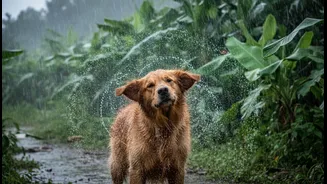
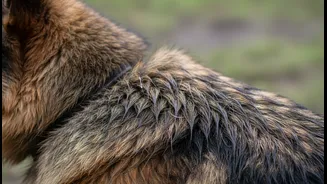
The single biggest threat to your dog’s health during the monsoon is persistent dampness. India's high humidity means a dog's coat, especially if thick, can remain wet for hours after a walk. This trapped moisture creates a warm, dark environment that
is a perfect breeding ground for bacteria and fungi. It can lead to painful skin infections known as 'hot spots' (acute moist dermatitis), which appear as red, weepy patches of skin, and other fungal or yeast infections that cause intense itching and discomfort. The risk isn't just theoretical; veterinarians across India report a sharp spike in skin-related cases from June to September every year.
Priority One: The Towel-Down
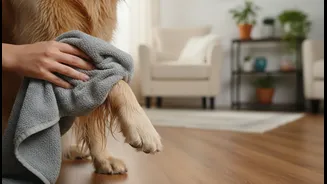
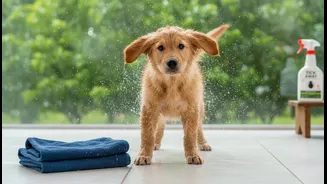
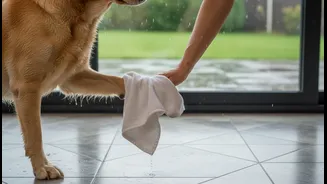
Your most critical task the moment you get home is a thorough drying session. Don't just give your dog a quick wipe; use a clean, absorbent microfibre towel to dry them completely. Pay special attention to areas that trap moisture, such as the underbelly, armpits, groin, and the base of the tail. For long-haired breeds, this step is non-negotiable. Letting your dog air-dry is not an option in a humid climate, as it significantly increases the risk of skin ailments. Some owners even use a hairdryer on a cool, low setting to ensure the undercoat is bone-dry, especially for thicker-coated dogs.
A Focus on the Paws
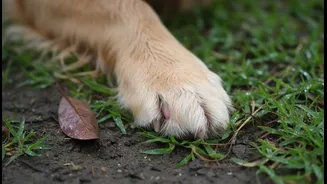
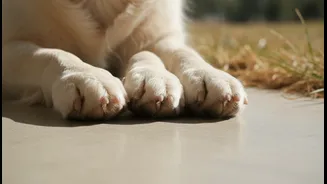
Your dog's paws are on the front line, navigating muddy paths and dirty puddles that can teem with bacteria and parasites, including the dangerous Leptospira bacteria. A simple wipe is not enough. The best practice is to wash your dog's paws with lukewarm water and a vet-approved antiseptic solution after every single walk. Crucially, you must dry thoroughly between their toes and paw pads. This is where moisture loves to hide, leading to fungal infections and irritation. While cleaning, take a moment to inspect the pads for any cuts, scrapes, or embedded debris. Trimming the fur between the paw pads at the start of the season can also help prevent mud and moisture from getting trapped.
Ears, Eyes, and Daily Checks
Moisture can also easily get trapped in your dog's ears, leading to painful infections. After every walk, gently wipe the outer part of their ears with a soft, dry cloth. If your dog is prone to ear infections, speak to your vet about a suitable cleaning solution to use during the monsoon. Beyond the immediate clean-up, make it a daily habit to check your dog's skin for any signs of trouble. Look for redness, rashes, hair loss, or any unusual smells, especially in skin folds. Regular brushing also helps to remove dirt, prevent matting, and allows you to spot parasites like ticks and fleas, which thrive in humid weather.
Indoor Hydration and Nutrition
Post-walk care extends to what your dog consumes. To discourage them from drinking from potentially contaminated puddles on walks, ensure they always have access to fresh, clean drinking water at home. The monsoon can also be a good time to feed a light, easily digestible diet that supports their immune system. Since wet weather might mean shorter walks and less physical exercise, indoor mental stimulation becomes even more important. Puzzle toys and simple 'find the treat' games can help burn off excess energy and prevent boredom.