


The Surprising Link Between Your Chair and Knees
For many young adults, life involves a lot of sitting—at a desk, in a car, or on the sofa. While we often associate this sedentary lifestyle with back pain, its impact on the knees is frequently overlooked. The issue lies in prolonged knee flexion (keeping
the knee bent). When you sit for hours, especially with your knees bent at sharp angles, you place sustained pressure on the patellofemoral joint, which is where your kneecap (patella) meets your thighbone (femur). This constant pressure can irritate the soft cartilage underneath the kneecap. Poor posture, such as slouching, further disrupts the body's weight distribution, leading to muscle imbalances that can pull the kneecap out of its optimal alignment, increasing strain.
From 'Moviegoer's Knee' to Cartilage Wear
The initial symptom is often a dull, aching pain in the front of the knee after sitting for a long time, a phenomenon sometimes called 'moviegoer's knee' or 'theatre sign'. This discomfort, known clinically as patellofemoral pain syndrome (PFPS), is common in young adults and is a direct result of increased pressure on the joint. If the poor mechanics persist, this stress can contribute to the softening and breakdown of the articular cartilage under the kneecap, a condition called chondromalacia patellae. This is the 'unseen wear' mentioned in the headline. While the condition is often linked to overuse in sports, orthopaedic experts confirm that sustained, improper loading from activities like prolonged sitting can be a significant contributing factor, especially in younger individuals.
Are You Making These Ergonomic Mistakes?
The root of the problem often lies in a poorly configured workspace or bad habits. A chair that is too low forces your knees into a tight, flexed position, increasing pressure. Conversely, a chair that is too high, leaving your feet dangling, forces muscles to work overtime to stabilise your lower body. Sitting with your legs crossed or tucked underneath you can also create uneven pressure and alignment issues. The goal is to create a setup that supports neutral joint positions, but many default sitting postures do the exact opposite, putting continuous, low-grade stress on the knee structures.
Achieve a Knee-Friendly Sitting Position
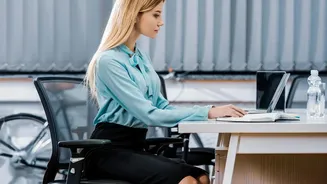
Protecting your knees starts with simple ergonomic adjustments. First, adjust your chair height so your feet are flat on the floor, with your knees bent at approximately a 90-degree angle. Your knees should be at or slightly below the level of your hips. Ensure there is a small gap between the back of your knees and the edge of the chair to avoid restricting circulation. If your feet don't reach the floor, use a footrest. Position your screen at eye level to prevent slouching, which helps maintain overall spinal and pelvic alignment, indirectly benefiting your knees.
Movement is the Best Medicine
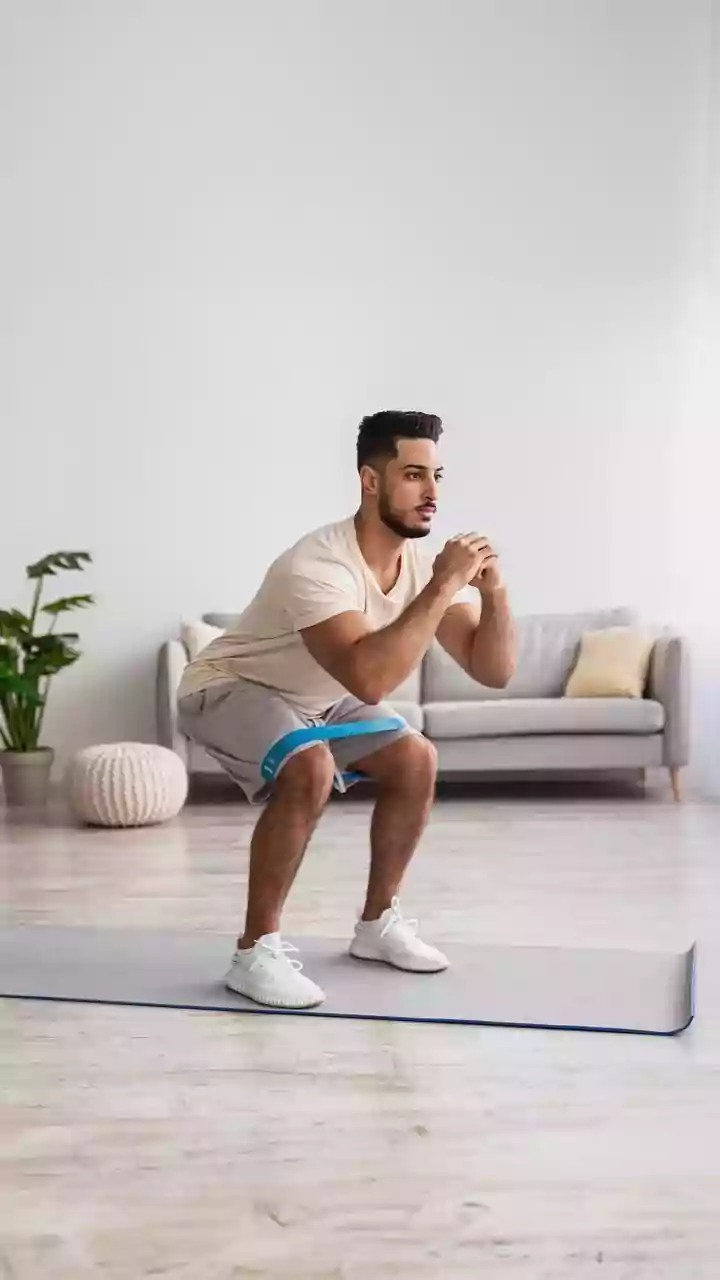
Even the perfect posture isn't enough if you stay completely still for hours. The most crucial advice from experts is to interrupt long periods of sitting. Set a reminder to get up, walk around, and stretch every 30 to 60 minutes. This movement helps lubricate the joints by circulating synovial fluid and relieves the constant pressure on the cartilage. Simple seated exercises like leg extensions or ankle rotations can also help improve blood flow and reduce stiffness. Furthermore, strengthening the muscles that support the knee—specifically the quadriceps, hamstrings, and glutes—is vital for long-term stability and pain prevention.