





Understanding the Delta Aquariids
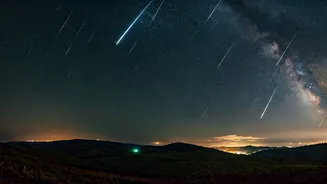
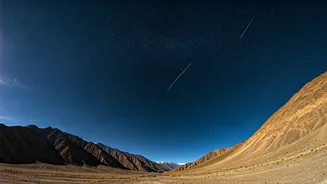
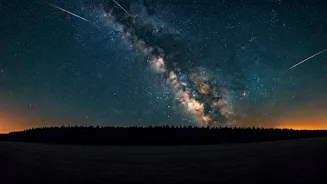
The Southern Delta Aquariids is an annual meteor shower active from mid-July to late August. It originates from the debris left behind by Comet 96P/Machholz. As Earth passes through this stream of cosmic dust, the particles burn up in our atmosphere,
creating the fleeting streaks of light we call shooting stars. This shower is known for its consistent, albeit not overwhelming, rate of about 15-20 meteors per hour under perfect conditions. The meteors are often faint, making dark, clear skies essential for a good viewing. In 2026, the shower is predicted to peak around July 30. However, there's a catch: a bright, nearly full moon will also be in the sky, washing out many of the fainter meteors. This makes choosing a viewing location with pristine skies even more critical.
The Himalayan Advantage: A Perfect Celestial Stage
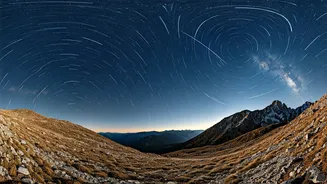
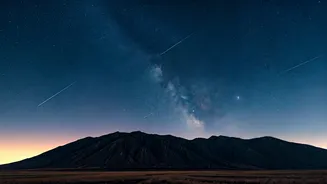
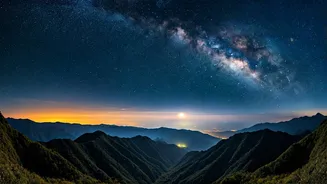
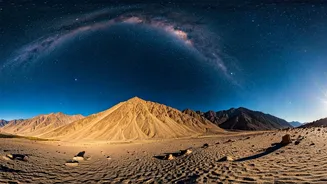
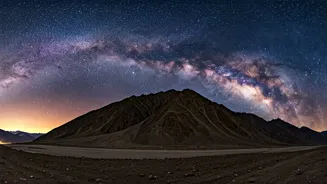
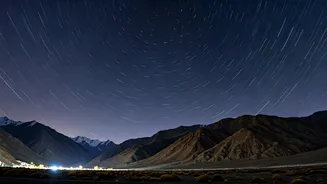
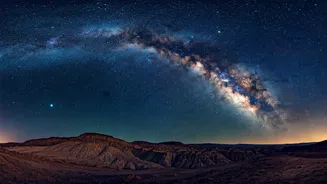
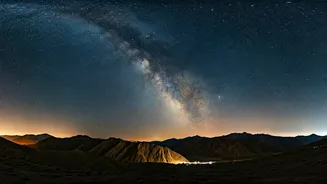
The headline's claim about the Himalayas is bold, but it's rooted in solid astronomical principles. The region offers a combination of factors that create a stargazer's paradise. Firstly, high altitude means you are above a significant portion of the Earth's atmosphere. This thinner air leads to less atmospheric distortion, making the stars appear sharper and clearer. Secondly, the remote nature of much of the high Himalayas means there is virtually no light pollution. Far from the glow of cities, the sky reveals its true, profound darkness, allowing even the faintest stars and meteors to shine through. Finally, the vast, open landscapes provide an unobstructed, panoramic view of the sky, a crucial element for spotting meteors that can appear anywhere.
The Monsoon Reality: Choosing Your Location Wisely
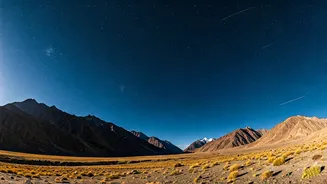
While the headline promises 'cloudless horizons', stargazers must contend with a significant natural hurdle: the monsoon. Late July and August are peak monsoon season for much of the Indian subcontinent, including the lower Himalayan ranges. This can bring heavy cloud cover, completely obscuring the night sky. However, the 'guarantee' of a great view isn't lost; it just requires smarter planning. The key is to head to the trans-Himalayan regions, which lie in a rain shadow. Areas like Ladakh and the Spiti Valley in Himachal Pradesh receive very little rainfall during this period, offering dry, clear skies while the rest of the country is drenched. These high-altitude cold deserts are the true secret to unlocking the best of the Delta Aquariids.
Prime Viewing Locations in the Rain Shadow
For the ultimate Himalayan stargazing trip for the Delta Aquariids, focus on these prime locations. Hanle, in Ladakh, is arguably India's best stargazing spot. It's home to the Indian Astronomical Observatory and is designated as India's first official Dark Sky Reserve, meaning light pollution is actively controlled to protect the pristine skies. At an altitude of 4,500 metres, it offers exceptionally clear views. The Spiti Valley is another outstanding choice. Villages like Kaza, Kibber, and Langza offer incredibly dark skies against a backdrop of stark, beautiful mountain scenery and ancient monasteries. Both Ladakh and Spiti provide the dry weather and high altitude necessary to counter the moonlight and enjoy the celestial show.
Your Guide to a Successful Meteor Watch
To make the most of your stargazing adventure, a little preparation goes a long way. Given the bright moon during the 2026 peak, plan your viewing for the week before, from July 21-26, when mornings will be moon-free. Find a comfortable spot away from any local lights, and give your eyes at least 20-30 minutes to fully adapt to the darkness—this means putting your phone away. You don't need a telescope or binoculars, as the naked eye is best for scanning the wide expanse of the sky. Lie back on a blanket or reclining chair to avoid neck strain. Dress in warm layers, as even summer nights at high altitude are cold. The best viewing time is typically after midnight until dawn, when the shower's radiant point is highest in the sky.