


From Daily Chore to Cultural Choice
Not long ago, home cooking in India was often seen as a duty, a relentless cycle of chopping, frying, and feeding. For many, especially women, it was a responsibility rather than a passion. The younger generation, eager to break free, embraced the convenience
of dining out and the burgeoning world of food delivery apps. The humble dal-chawal couldn't compete with a wood-fired pizza or a gourmet burger, or so it seemed. But this narrative is being rewritten. Today, cooking at home is becoming a conscious choice, an act of creative expression and cultural connection. The kitchen is no longer just a place of labour; it has transformed into a studio, a laboratory, and a sanctuary where authenticity is the main ingredient.
The Instagram Effect on Ghar ka Khana
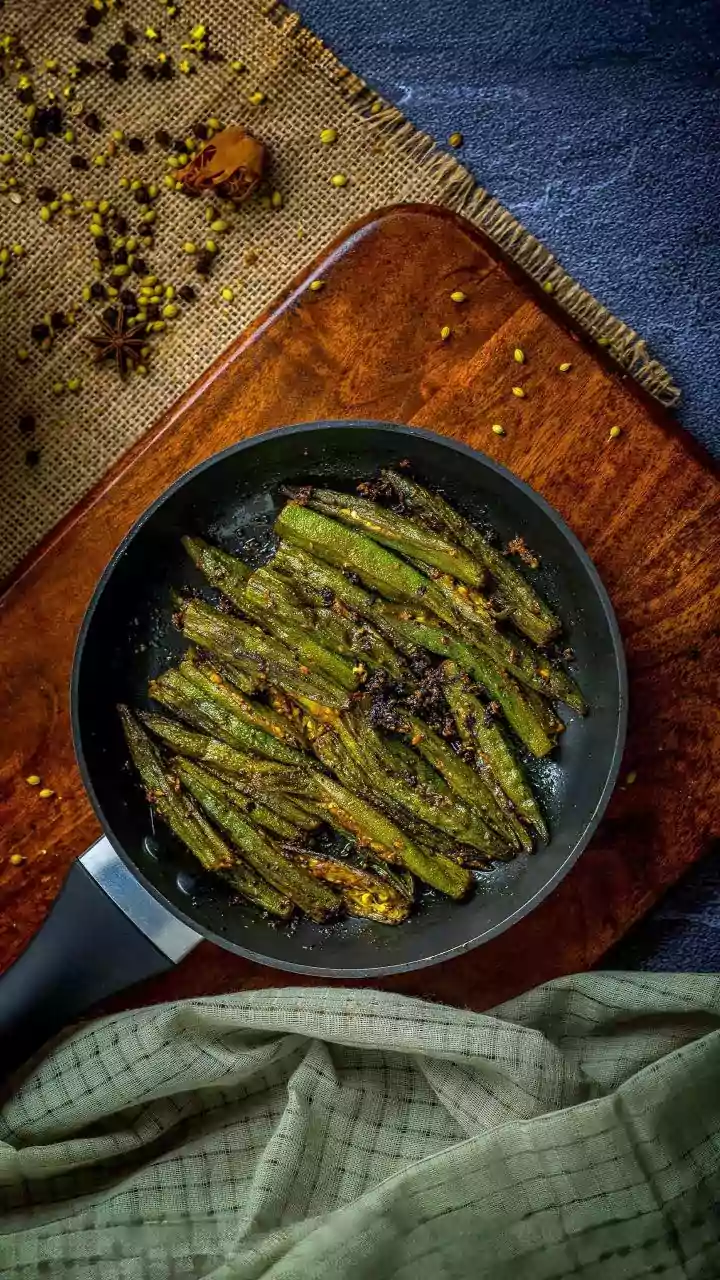
Social media, particularly Instagram, has played a starring role in this revival. Once considered too mundane for the curated perfection of a social media feed, everyday Indian dishes are now having their moment. Food bloggers and influencers are moving beyond the standard paneer tikka and butter chicken that dominate restaurant menus. They are championing the food they grew up with: the Bihari litti chokha, the Maharashtrian pithla bhakri, the Tamilian pulissery. Through stunning photography and engaging video reels, they've made these hyperlocal, rustic dishes look aspirational. They share not just recipes, but the stories behind them—the grandmother who perfected the masala, the specific regional souring agent, the seasonal vegetable that defines a dish. This has demystified complex techniques and made heritage cooking accessible and exciting for a digital-native audience.
A Search for Authentic Identity
This trend is more than just about food; it's about identity. As urban India becomes more globalised, there's a parallel, powerful urge to connect with one's roots. For many young Indians, food is the most tangible link to their heritage. Learning to cook a grandparent's signature fish curry or a family's secret biryani recipe is a way of preserving a personal history that might otherwise be lost. It’s an intimate exploration of where they come from. This search for authenticity has created a new appreciation for the sheer diversity of Indian cuisine. We're seeing a move away from the monolithic idea of 'Indian food' and a celebration of its vast regional tapestry—from the delicate flavours of the Northeast to the fiery spices of the South.
Wellness, Wisdom, and Regional Wonders
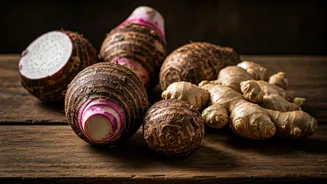
The global wellness movement has also found a unique expression in the Indian kitchen. As people become more mindful of what they eat, they are rediscovering the inherent wisdom in traditional Indian diets. The focus is shifting to seasonal produce, gut-friendly fermented foods like idli and dosa, and the medicinal properties of spices like turmeric and ginger. This has sparked a curiosity for hyper-regional ingredients and 'lost' grains like millet and amaranth, which were once staples before being replaced by refined wheat and rice. Home cooking allows for complete control over ingredients, catering to a desire for clean, unprocessed, and nourishing meals that modern convenience foods often fail to provide. It's a return to a way of eating that is inherently sustainable and deeply connected to local ecosystems.
The Modern Cook's Arsenal
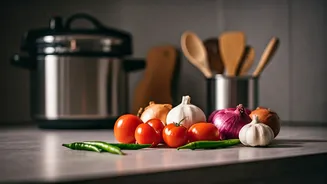
This revival isn't a Luddite rejection of modernity. On the contrary, it's empowered by it. Modern kitchen appliances like air fryers, food processors, and stand mixers have taken the drudgery out of many traditional processes, making them more manageable for time-pressed urbanites. Furthermore, a wave of new-age D2C brands has emerged, offering everything from single-origin spices and ethically sourced ghee to ready-to-use batters and artisanal pickles. These brands combine authentic flavours with modern packaging and convenience, bridging the gap between the traditional and the contemporary. Now, you can attempt a complex Chettinad dish without having to grind 20 different spices from scratch, thanks to a small-batch masala blend you ordered online.