








The Resort Mindset: Seamless Simplicity
For a resort-first holiday, the goal is typically relaxation and convenience. The ideal transport facilitates a seamless journey from your home to the poolside. This usually involves a flight followed by a pre-booked airport transfer, shuttle bus, or taxi
directly to your hotel. Once there, your travel needs are minimal. You might take a short taxi ride to a local restaurant or market, but for the most part, you’re staying put. The transport is a means to an end: getting you to your place of relaxation as efficiently as possible. Luggage is simple, as you unpack once. The priority is comfort and reducing logistical stress, allowing the holiday to begin the moment you land.
The Hiker's Challenge: Flexibility and Access
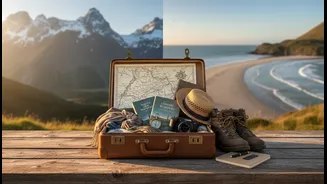
A hiking holiday operates on a completely different set of principles. Your transport is not just about getting to a single destination, but is an integral part of the adventure itself. The primary challenge is reaching trailheads, which are often located in remote areas far from public transport routes. This requires a level of flexibility that resort transport doesn’t. You might need to start your day before sunrise to get a parking spot or to beat the heat, something impossible to do when relying on bus schedules. Furthermore, hikers often carry specialised gear like trekking poles, sturdy boots, and large backpacks, which can be cumbersome on public transport or when flying.
Your Own Wheels, Your Own Schedule
For most hiking-centric trips, renting a car is the superior option. It offers unparalleled freedom and flexibility. You can dictate your own itinerary, stop at a scenic viewpoint spontaneously, and easily access remote trails that are inaccessible by other means. A car also serves as a secure place to store gear, food, and extra layers of clothing. This is particularly useful for multi-day trips where you might be tackling different trails each day. Having your own vehicle means you're not at the mercy of shuttle timetables or the limited availability of taxis in rural areas. It allows you to maximise your time on the trail, which is the entire point of the holiday.
When Public Transport Is the Hiker's Friend
While a car is often best, there are notable exceptions where public transport is not only viable but preferable for hikers. In countries with world-class public transport systems, like Switzerland, Japan, or parts of Germany and Austria, you can often take a train or bus directly to the start of a trail. In Switzerland, the integrated system of trains, buses, and cable cars is designed to get people into the mountains, and they even offer luggage transfer services between destinations. Some popular national parks also run dedicated hiker shuttles to reduce congestion and environmental impact. Using these services can be a great way to do a point-to-point hike without worrying about how to get back to your car. It’s also a more sustainable way to travel and allows you to relax and enjoy the scenery without the stress of navigating unfamiliar roads.
Gear, Flights, and Final Logistics
Your choice of holiday also impacts how you handle air travel. For a resort trip, your luggage is straightforward. For a hiking trip, it’s more complex. Many essential hiking items like trekking poles, tent stakes, and knives are not allowed in carry-on luggage and must be checked. This often means checking a bag is unavoidable. To protect your backpack from damage on conveyor belts, it's wise to pack it inside a larger, sturdy duffel bag. Some items, like stove fuel and bear spray, cannot be taken on a plane at all and must be purchased at your destination. Factoring these logistical details into your transport plan from the very beginning will ensure your adventure starts off on the right foot.