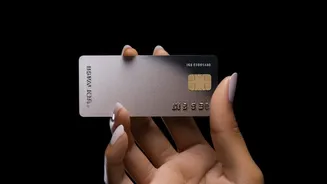







The 'Incidental Hold': What It Is and Why Hotels Need It
When you check into a hotel, you’re often asked for a payment card, even if you've already paid for the room. The hotel isn't charging you again; it's placing a temporary hold on your card for "incidentals". These are any extra costs you might incur during
your stay, such as room service, minibar snacks, on-demand movies, or potential damages to the room. This hold, known as a pre-authorization, reserves a certain amount of money to ensure the hotel can cover these potential expenses. The amount isn't actually taken from your account, but it does reduce your available balance or credit limit for the duration of your stay. The hold amount varies widely by hotel, ranging from a flat fee to a set amount per night, sometimes from $25 to over $100 per night.
The Great Divide: Credit Cards vs. Debit Cards
Hotels almost universally prefer credit cards for incidental holds. When they place a hold on a credit card, they are simply reserving a portion of your available credit limit, guaranteed by the issuing bank. This process is smooth and carries little risk for the hotel. Using a debit card can be more complicated. When a hotel places a hold on a debit card, it freezes actual cash in your bank account. This can be problematic if the hold is large, as it can tie up your spending money and potentially lead to overdrafts if you're not careful. Because of this, and the perceived risk of insufficient funds, some hotels have policies that outright refuse debit cards for incidental deposits, even if they accept them for the final room payment.
The Rise of Problematic Cards: Prepaid and Digital Banks
As financial technology evolves, more travelers are using prepaid cards and cards from digital-only banks. However, these can be a major source of trouble at the check-in desk. Many hotels flat-out refuse to accept prepaid gift cards or travel cards for incidental holds. The systems that process these cards may not reliably handle pre-authorizations, and hotels see them as a risk because there's no guarantee sufficient funds are available to cover potential charges. Similarly, some cards issued by fintech companies or neobanks are classified as prepaid cards by payment processors, even if they function like a debit card. This can lead to unexpected declines, leaving travelers scrambling for an alternative payment method.
Your Pre-Travel Checklist: How to Confirm Acceptance
To avoid any unpleasant surprises, a little proactive research is key. First, check the hotel's official website. Look for an FAQ or a "Hotel Policies" section, which may outline their rules for deposits and accepted payment types. However, policies can vary even between properties of the same hotel chain. The most reliable method is to call the hotel's front desk directly—not the central reservations hotline. Ask them two specific questions: "What is your incidental hold amount?" and "What types of cards do you accept for the incidental hold? Do you accept debit cards, prepaid cards, or digital wallet payments like Apple Pay?" Getting a clear answer from the specific property you're staying at is the best way to ensure you're prepared.
Stuck at the Desk? Your Backup Options
If you arrive and find your card is not accepted, don't panic. You usually have a few options. First, ask if you can use an alternative credit or debit card. If that's not possible, inquire if the hotel accepts a cash deposit for incidentals. While less common, especially at higher-end hotels, some properties still offer this option. Be prepared for the deposit amount to be substantial. Another potential solution is to ask the front desk if they can simply disable incidental charging capabilities for your room. This would mean you couldn't charge anything to your room, but it might allow you to check in without the need for a hold. If all else fails, calling your bank might help; sometimes a transaction is blocked by fraud protection and they can manually approve it.