







Turmeric (Haldi): The Golden Healer
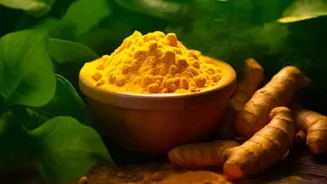
A staple in every Indian kitchen, turmeric’s value skyrockets during the monsoon. Its active compound, curcumin, is a powerhouse of anti-inflammatory, antioxidant, and antimicrobial properties. These qualities are crucial when the body is more susceptible
to infections. During the rainy season, a common complaint is a sore throat or a cough; a warm glass of turmeric milk, or 'haldi doodh', is a traditional remedy that can help soothe respiratory issues. Its antibacterial traits also help in managing skin infections, which can be more frequent in the damp weather. For maximum benefit, it's often recommended to pair turmeric with a pinch of black pepper, as this significantly enhances the absorption of curcumin in the body.
Ginger (Adrak): The Warming Digestive Aid
Ginger is another kitchen hero that becomes indispensable during the monsoon. Revered in Ayurveda for its warming properties, it helps the body adapt to the cool, damp weather. Ginger is excellent for stimulating 'agni', or the digestive fire, which is believed to weaken during this season. This makes it effective against indigestion and bloating. Furthermore, its anti-inflammatory and antioxidant compound, gingerol, is effective in fighting the common cold and flu. A hot cup of ginger tea, often brewed with lemon and honey, can soothe a sore throat, clear congestion, and provide an overall sense of warmth and well-being.
Garlic (Lehsun): The Natural Immunity Shield
Garlic is more than just a flavouring agent; it's a potent medicinal herb. Its powerful immune-boosting effects are attributed to a sulphur compound called allicin, which is released when garlic is crushed or chopped. Allicin has strong antibacterial and antiviral properties, providing a natural defence against the many infections that are common during the monsoon. Incorporating garlic into daily meals like dals, soups, and stir-fries can help boost the activity of white blood cells to combat illnesses. Consuming it regularly is a simple yet effective strategy to keep seasonal flu and water-borne diseases at bay.
Tulsi (Holy Basil): The Queen of Herbs
Tulsi is highly valued in Ayurveda for its remarkable therapeutic qualities, earning it the title “Queen of Herbs”. It becomes especially useful during the monsoon for its ability to support the respiratory system. Tulsi leaves contain compounds that help in relieving coughs, colds, and congestion. It is also an adaptogen, which means it helps the body manage stress and boosts overall resilience against infections. Chewing a few fresh leaves every morning or drinking a warm cup of Tulsi tea can help strengthen your immunity and protect you from viral fevers that are prevalent in this season.
Ajwain (Carom Seeds): The Digestive Corrector
Digestive issues like bloating, gas, and indigestion are common complaints during the monsoon, as the humid weather can slow down metabolism. This is where ajwain, or carom seeds, come to the rescue. These tiny seeds are a powerful digestive aid, known to provide quick relief from stomach discomfort. The active compounds in ajwain, particularly thymol, help stimulate the secretion of gastric juices, promoting better digestion. Drinking a glass of warm ajwain water after meals is a simple and effective Ayurvedic remedy to keep your digestive system running smoothly throughout the rainy season.
Black Pepper (Kali Mirch): The Bio-Enhancer
Black pepper, often called the 'king of spices', plays a crucial supporting role in monsoon wellness. Its primary benefit comes from a compound called piperine, which significantly increases the body's ability to absorb nutrients from other foods and spices, most notably curcumin from turmeric. Beyond its role as a bio-enhancer, black pepper has its own medicinal properties. It helps clear congestion, improves digestion, and has antibacterial qualities. Adding freshly crushed black pepper to soups, teas, or a kadha can help keep infections at bay and provide relief from cold-related symptoms.