

From Trash to Treasure: A Mindset Shift
At its heart, zero-waste cooking is about a fundamental shift in perspective. Instead of seeing parts of an ingredient as 'unusable,' you begin to see them as 'un-utilised potential.' This philosophy pushes you to move beyond the recipe and think like
an innovator. The constraint of using what you have, in its entirety, is not a limitation but a catalyst for creativity. It forces you to ask questions: What flavour is locked inside this woody rosemary stem? What texture can this slice of stale bread provide? Answering these questions turns a routine cooking process into a journey of discovery, making you a more resourceful and intuitive cook. It’s a movement that encourages home cooks and professional chefs alike to transform what was once considered waste into flavour.
The Undiscovered Flavour of Woody Stems
Woody herb stems—from plants like rosemary, thyme, oregano, and sage—are packed with aromatic oils that are often discarded. While too tough to eat directly, they are exceptional flavouring agents. One of the simplest and most elegant uses is creating infused oils or vinegars. Gently warm olive oil on the stovetop, add a handful of rosemary or thyme stems, and let them steep overnight. The result is a fragrant oil perfect for salad dressings, drizzling over roasted vegetables, or dipping fresh bread. The same stems can be tossed into simmering soups or stocks to build a deep, earthy flavour base; just be sure to remove them before serving. For those who enjoy grilling, sturdy rosemary stems, with their leaves stripped, can be used as skewers for chicken, lamb, or vegetables, infusing the food with a subtle herbaceous note from the inside out.
The Second Life of Stale Bread
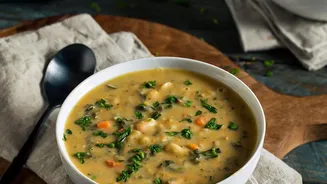
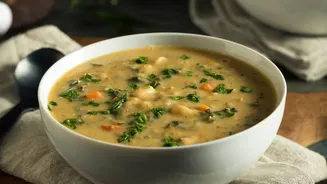
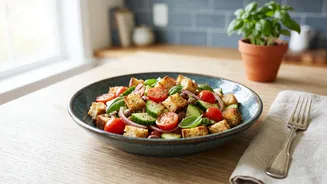
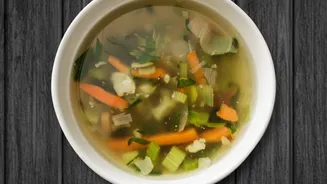
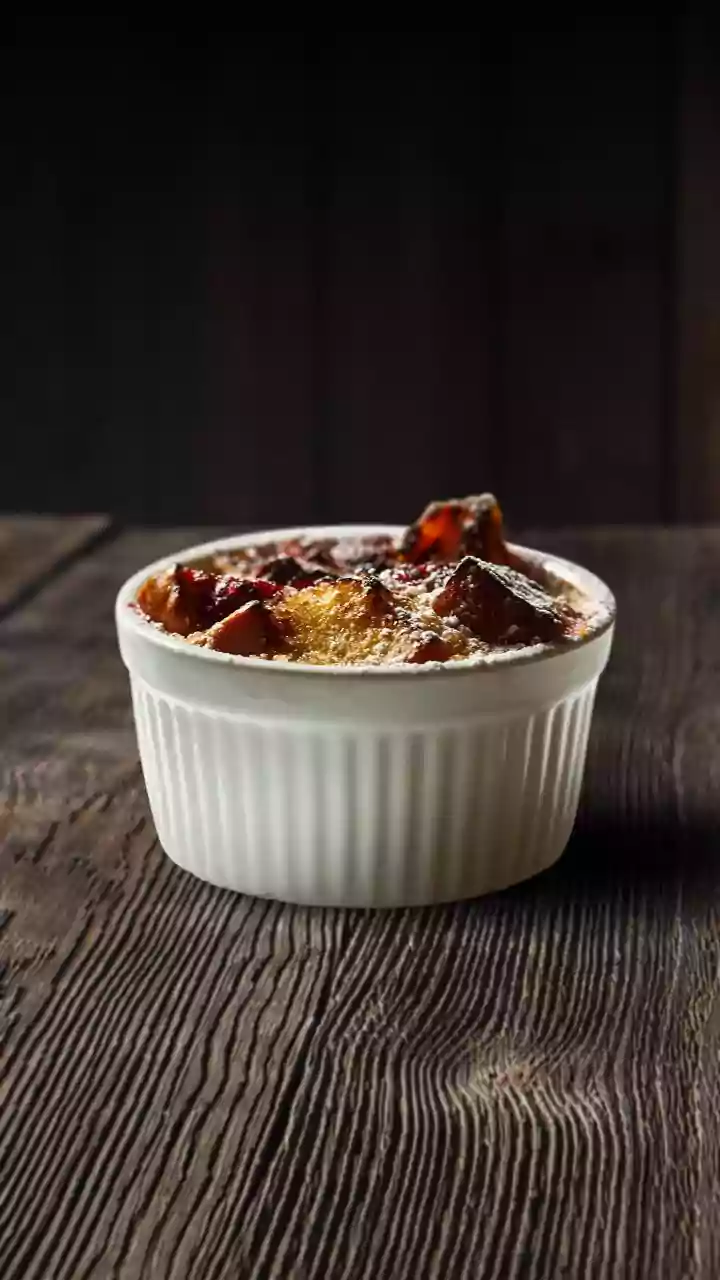
Stale bread is not a lost cause; in fact, for many recipes, it’s superior to fresh. Its dry, hard texture makes it a perfect sponge for soaking up flavours without turning to mush. The most obvious uses are homemade croutons or breadcrumbs, which are far more flavourful than their store-bought counterparts. But the creativity doesn't stop there. In Italian cuisine, stale bread is the star of Panzanella, a rustic salad where chunks of dry bread soak up a vinaigrette and tomato juices. It's also the foundation for Ribollita, a hearty Tuscan soup thickened with bread. For a comforting dessert, nothing beats a bread pudding, where stale cubes absorb a rich egg custard before being baked into a decadent treat. You can even simply fry slices in olive oil for a quick, crispy snack.
The Creative Payoff in Your Kitchen
Adopting a zero-waste approach does more than just reduce your environmental footprint and save money on groceries. It builds a deeper connection to your food. You start to appreciate the entire lifecycle of an ingredient and become more mindful in your consumption. This practice hones your culinary instincts, teaching you to rely on technique and imagination rather than just following a recipe verbatim. By learning to transform a tough stem into a fragrant oil or stale bread into a comforting soup, you unlock a new level of resourcefulness. Your kitchen becomes a laboratory for innovation, where every scrap is an opportunity and every meal is a testament to your growing creativity.