








Beyond Delhi and Mumbai
For decades, international travel from India meant flying out of a handful of major metropolitan hubs like Delhi, Mumbai, or Bangalore. But the real story of India's economic ascent is now unfolding in its Tier-2 cities—places like Jaipur, Lucknow, Ahmedabad,
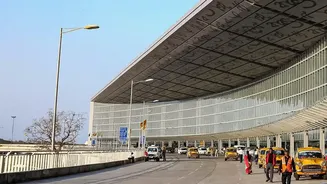
and Bhubaneswar. These are not small towns; they are sprawling urban centers, each with millions of residents, rising disposable incomes, and a growing appetite for international travel. Previously overlooked by major international carriers, these cities have become the new frontier for savvy low-cost airlines. This shift is driven by a simple reality: the economic engines of India are diversifying, and so are the aspirations of its people. As a result, airports in these cities are no longer just domestic transit points but are becoming transformative gateways for regional development and global connectivity.
The Low-Cost Carrier Playbook
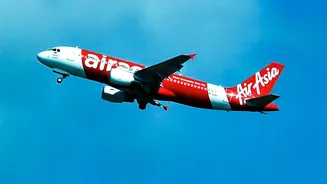
Airlines like IndiGo, Air India Express, AirAsia, and VietJet are aggressively targeting this underserved market. Their strategy is a classic low-cost carrier (LCC) playbook: connect populations with affordable, direct flights to high-demand leisure and business destinations. Southeast Asia is the perfect fit. Destinations like Bangkok, Singapore, Kuala Lumpur, and Ho Chi Minh City are relatively short-haul, culturally appealing, and economically vibrant. For millions of Indians, this expansion means an international vacation is no longer a complex, two-stop journey booked months in advance but an achievable, affordable getaway. These airlines are tapping into a potent mix of first-time international fliers, business travelers, and a large diaspora visiting friends and relatives. The growth is explosive, with some routes seeing capacity increases of over 2,000% since before the pandemic.
New Corridors for Commerce and Culture
This expansion is about more than just cheap tickets to beach resorts. It's forging new economic and cultural corridors between two of the world's most dynamic regions. The direct connectivity stimulates not only tourism but also trade, investment, and business collaboration. With geopolitical instability impacting traditional routes to the west, Southeast Asia has become a natural and strategic alternative for Indian airline growth. Governments are taking notice, revising bilateral air service agreements to allow for more flights and greater capacity, which had previously been a limiting factor. This deliberate policy push, combined with the on-the-ground reality of booming demand, is creating a powerful feedback loop that accelerates regional integration in ways that were unimaginable just a few years ago. The new Alluri Sitarama Raju International Airport in Andhra Pradesh, for example, is explicitly designed to be a gateway to Southeast Asia, aiming to boost trade and investment.
A New Itinerary for Global Travelers
For American tourists and business travelers, this trend opens up a whole new way to explore Asia. Instead of the usual Tokyo-Singapore-Delhi circuit, it's now easier to build an itinerary that includes the historic palaces of Jaipur, the vibrant street food of Lucknow, and then a direct, affordable flight to the beaches of Thailand or the bustling markets of Vietnam. This development allows travelers to bypass the congestion and higher costs of major hub airports, diving deeper into the regional cultures of both India and Southeast Asia. It represents the democratization of travel on a global scale, where a multi-country Asian adventure is no longer just for backpackers with unlimited time or luxury tourists with unlimited budgets. It makes the world more accessible, connecting points on the map that were previously separated by inconvenient and expensive layovers.