






A High-Scoring Thriller Sets the Stage
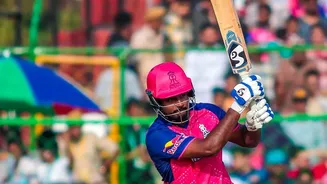
On Sunday, India secured a crucial 2-1 series lead against the West Indies in a match that was anything but one-sided. Abhishek Sharma was explosive, smashing a 30-ball 69 to help propel India to a formidable total of 223. It was a blistering innings
that saw him reach his half-century in just 18 balls. The West Indies mounted a spirited chase, with several batters making crucial contributions, but Arshdeep Singh’s key wickets, including two in the 18th over, ensured India defended their total, restricting the visitors to 209/7. On the surface, it was a classic T20 encounter filled with boundaries and drama. However, with a combined total of over 430 runs scored, the match also served as a prime exhibit in the ongoing argument about the state of pitches in Indian white-ball cricket.
The Case Against 'Flat-Track' Cricket
The core of the criticism is that modern Indian T20 pitches are prepared to be so batting-friendly that they create a lopsided contest. Commentators and former players have raised concerns that these 'flat tracks' or 'highways' neutralize the nuanced skills of bowling. When pitches offer little assistance in terms of bounce, seam, or spin, the margin for error for bowlers becomes microscopic. A perfectly executed yorker or a clever change of pace can still be dispatched to the boundary with ease. This trend is increasingly visible in the IPL, where team totals exceeding 200 are now commonplace, a significant jump from just a few years ago. The argument is that this environment rewards brute force over technical skill, creating 'flat-track bullies' who may struggle when they play overseas on surfaces with more life in them. The fear is that it discourages the development of bowlers who can thrive in challenging conditions, effectively taking a diverse set of skills out of the game.
An Adaptable Skill Set or a Flawed System?
The counterargument is that adapting to different surfaces is, in itself, a premier skill. Not all flat pitches are identical, and scoring at a high rate consistently still requires immense talent. Furthermore, the entertainment value of high-scoring games is undeniable and is a major factor in T20's global appeal. However, the problem arises when this becomes the default. The second T20I of this very series saw West Indies chase down 250 with nine balls to spare, a feat that prompted calls for a more balanced contest. While home advantage is a part of cricket, there's a growing feeling that the scales have tipped too far. The danger is that an entire generation of Indian players, both batters and bowlers, will become accustomed to a single style of cricket, making them vulnerable in major tournaments abroad where conditions are more varied, such as the upcoming 2027 World Cup in South Africa.
Finding a Sustainable Balance
No one is arguing for a return to low-scoring slogs where every run is a battle. T20 cricket is, and should be, an attacking game. The debate is about the 'contest'. A truly compelling match is one where both bat and ball have a genuine chance to dominate. This means preparing surfaces that offer something for the new-ball bowlers, provide turn for the spinners as the game progresses, and reward batters for their skill in navigating these challenges, not just for their power. The Indore pitch, while producing a close result, was another example where bowlers were largely reduced to a supporting role. Arshdeep Singh's success came from his execution under pressure, not because the pitch offered him significant help. The responsibility lies with curators and administrators to ensure that pitches facilitate a dynamic game, not a predictable run-fest.