


The Science of a Crispy Bite
An air-fryer isn’t actually a fryer; it’s a compact, high-powered convection oven. It works by circulating superheated air at high speed around the food. This rapid circulation cooks the food quickly and triggers the Maillard reaction, the same chemical
process that gives roasted coffee and toasted bread their colour and flavour. This process creates a dehydrated, crispy outer layer that mimics the texture of deep-fried food, but with significantly less oil—often reducing fat by 80% or more. The food sits in a perforated basket, which allows the hot air to hit every surface, ensuring an even crispness that traditional ovens struggle to match.
From the Kadhai to the Basket
Converting a traditional deep-fried recipe for an air-fryer is straightforward. A general rule is to reduce the cooking temperature by about 15-20°C and shorten the cooking time by around 20%. While you eliminate the vat of oil, a small amount is still crucial. A light brush or spray of oil on the surface of snacks like samosas or tikkis helps them achieve a golden-brown finish and enhances the crispy texture. For foods that already contain fat, like frozen pre-fried items, you may not need to add any oil at all. The goal is a light coating, not a bath, allowing the flavour of the spices to shine through without a greasy feel.
Essential Tips for Air-Fryer Success
To get the best results with your regional snacks, a few key techniques make all the difference. First, always preheat your air-fryer for a few minutes to ensure the cooking starts immediately. The single most important rule is to not overcrowd the basket. Food needs space for the hot air to circulate; packing it in will cause it to steam and turn soft instead of crispy. Cook in batches if necessary. For even browning, shake the basket or flip the snacks halfway through the cooking time. This is especially important for items like aloo tikki or masala peanuts.
Regional Favourites That Shine
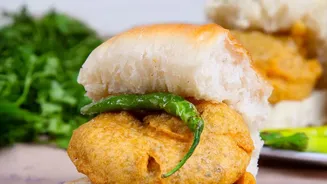
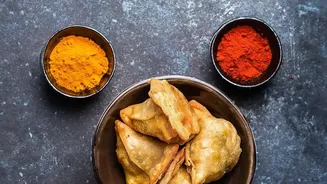
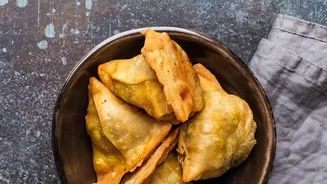
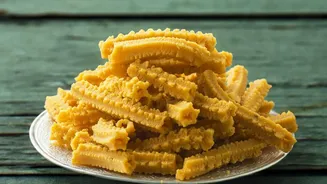
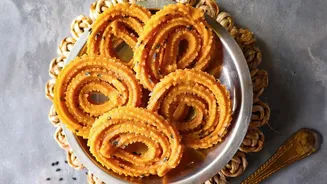
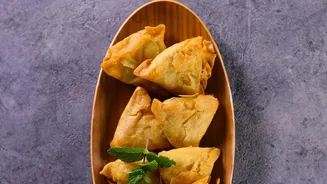
Many beloved Indian snacks adapt beautifully to the air-fryer. Samosas, especially frozen varieties, emerge with a flaky, crispy pastry that is nearly indistinguishable from their deep-fried counterparts. Aloo tikkis develop a wonderful crunch on the outside while staying soft inside. Dry snacks like mathri and chakli also crisp up perfectly. Even masala peanuts can be roasted to perfection, often tasting nuttier and more flavourful than when fried. For snacks with a batter, like pakoras, the key is to make the batter much thicker than usual so it doesn't drip through the basket. Shaping them into flatter patties also helps them cook more evenly.
When to Stick to Traditional Methods
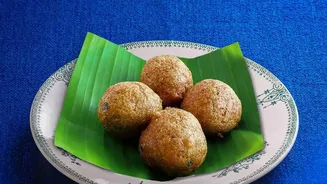
While versatile, the air-fryer has its limits. It struggles with snacks that use a very thin, wet batter, such as traditional bhajiyas or some South Indian bondas. The liquid batter can drip through the perforated basket before it has a chance to set, creating a mess and an unevenly cooked snack. While some workarounds exist, like using parchment liners or thickening the batter, the texture may be more akin to a baked item than a fried one. For these specific recipes, the traditional kadhai might still be the best tool for achieving that authentic, fluffy-yet-crisp texture.