




An Uneven and Anxious Monsoon
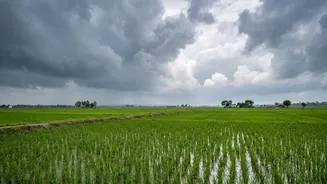
India’s 2026 monsoon season has been a story of volatility. After a significantly dry June, rainfall picked up in July, only to weaken again in August. As of late August, the country-wide rainfall deficit stood at around 14%. Now, the India Meteorological
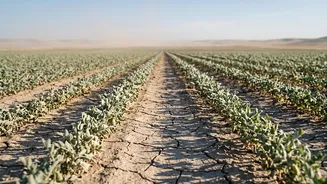
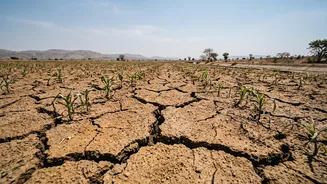
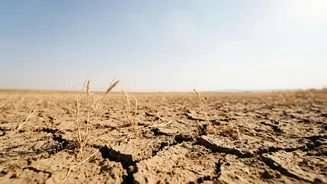
Department (IMD) has forecast that September rainfall is also likely to be below normal, at less than 91% of the long-period average. This pattern is largely attributed to strengthening El Niño conditions in the Pacific Ocean, which typically weaken the monsoon. This isn't just a national average; the distribution of rain has been highly uneven. Key agricultural regions in the south, east, and north have faced significant shortfalls, creating stress for farmers even before this final, crucial month.
Why the Final Spell of Rain is Critical
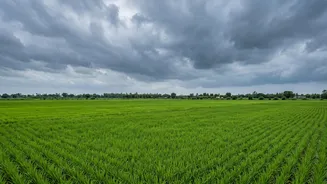
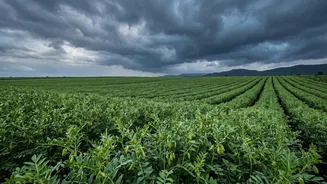
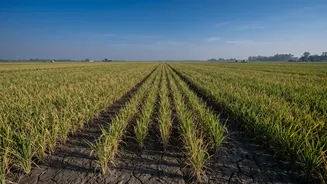
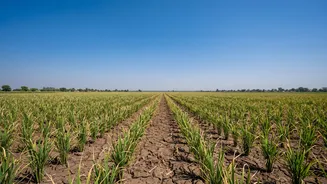
September rain is vital for two key reasons. First, it is essential for the final growth stage of standing kharif (summer) crops like rice, pulses, soybeans, and sugarcane. This is the grain-filling stage, where adequate moisture is critical to determine the final yield. A dry spell now can significantly reduce the output even if sowing was timely. Second, September rainfall determines the level of soil moisture available for the upcoming rabi (winter) crop sowing season, which includes staples like wheat and chickpeas. It also replenishes reservoirs that are crucial for irrigation. A deficit now can have a cascading effect, hurting both the current harvest and the prospects for the next one.
From Paddies to Pulses: Which Crops Are at Risk?
Several key commodities are feeling the pressure. Sowing of rice and corn was already trailing last year's pace as of late August. The United States Department of Agriculture's Foreign Agricultural Service has estimated that weak rainfall could cut India’s rice production by about 4.5% and corn output by 9.3% this year. Deficits in major rice-growing areas and moisture stress in sugarcane and soybean belts are major concerns. Pulses and oilseeds are also particularly vulnerable, as they are often grown in rainfed areas where lack of late-season rain can directly impact yields. This is especially worrying as India depends on imports to meet its pulse deficit, and any domestic shortfall can quickly translate to higher prices.
The Direct Impact on Your Kitchen Budget
The connection between lower yields and household expenses is direct. Reduced crop output tightens supplies in the market, which can lead to price hikes for essential food items. Food inflation is already showing signs of accelerating, with food prices rising 5.5% in July, the highest level this year. Experts warn that a weak end to the monsoon could add further upward pressure on food inflation, particularly for vegetables, pulses, and edible oils. Some reports have noted that while cereal prices might remain stable due to large government buffer stocks of wheat and rice, other essentials could see a rise. A government report in August acknowledged that higher food inflation could squeeze household budgets, reducing spending on other discretionary items.
What Happens Next?
The next few weeks will be crucial. While sowing has held up reasonably well despite the erratic rain, the final yield is now the primary concern for farmers and policymakers. The government is closely monitoring the situation. Measures like managing buffer stocks and making decisions on imports, as seen with the allowance of duty-free sugar imports, can help cushion the impact on consumers. However, the primary determinant of food availability and affordability in the coming months will be the amount of rain that falls across the country's farmlands in September. The performance of this last leg of the monsoon will directly influence rural incomes and, by extension, the grocery bills for every Indian consumer.