



Beyond the Picture-Perfect
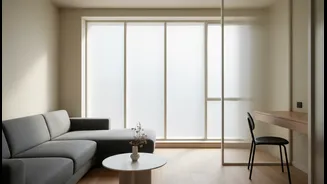
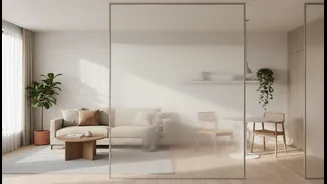
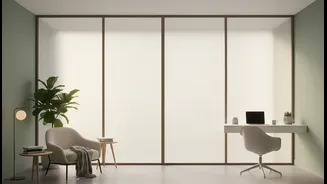
Minimalism has often been misunderstood as a purely aesthetic choice, focused on empty spaces, neutral colours, and a look ready for a magazine cover. This perspective, however, often clashes with the reality of day-to-day life. A truly minimalist home
isn't about creating a sterile, show-house environment; it’s about designing a space that is functional, intentional, and calming. The goal is to reduce stress and cognitive overload, which studies show can be triggered by visual clutter. The most effective minimalist homes are not designed for a camera but for the people who live in them. They are built around the flow of daily activities, creating an environment that supports and simplifies life, rather than just looking good in photographs.
Start with Your Daily Routine
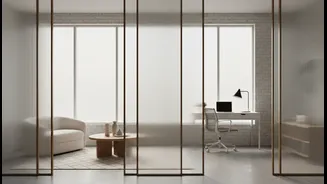
The first step to designing a habit-centric home is to become an observer of your own life. Before you move a single piece of furniture, take time to audit your daily routines. Where does the morning rush happen? Do you have a dedicated space for your work-from-home setup that allows you to focus? Where do you unwind in the evening? Answering these questions reveals the natural pathways and friction points in your home. For example, if you always drop your keys and mail on the dining table, it's not a failure of discipline; it's a design problem. Your home is telling you it needs a dedicated landing strip near the entrance. By observing your habits, you can identify what your space truly needs to make your life easier and more efficient.
Function Over Form in Key Zones
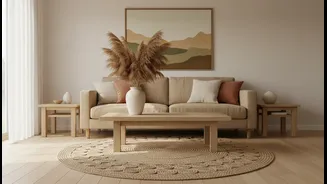
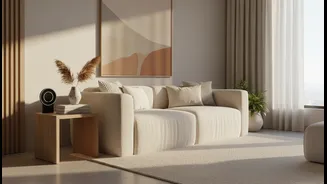
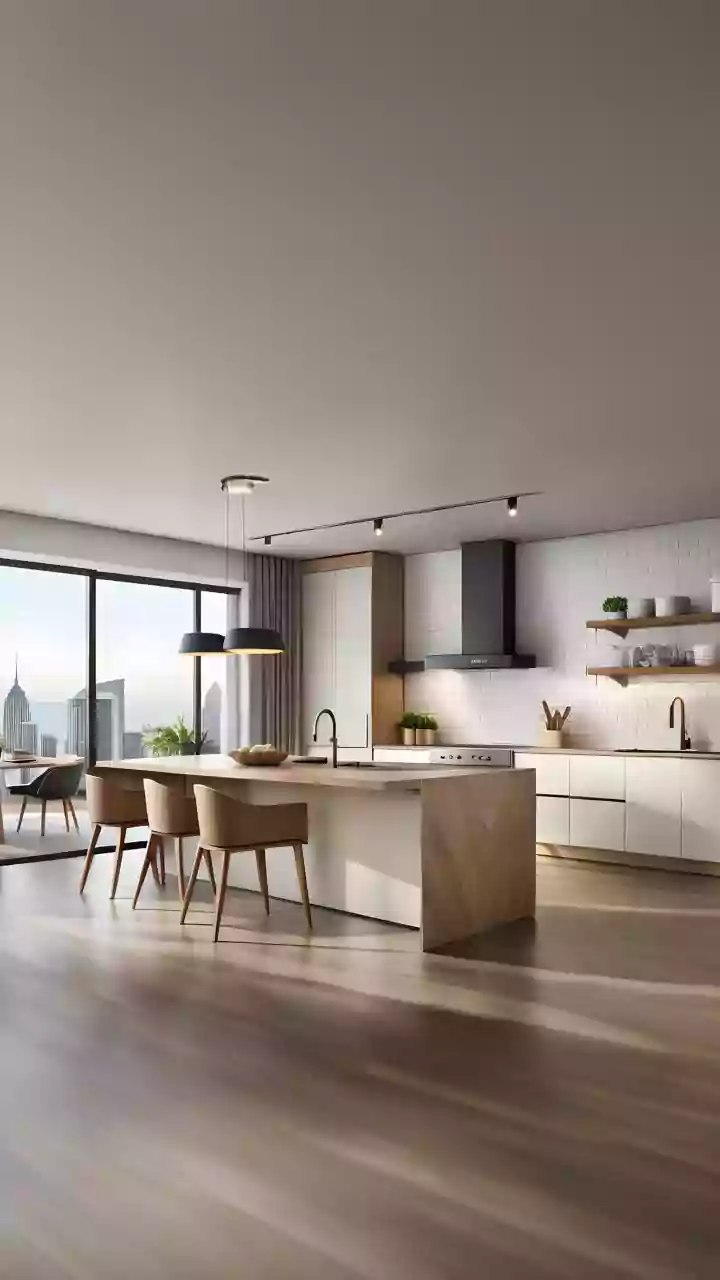
Once you understand your routines, you can apply this knowledge to key zones in your home. In the kitchen, this might mean storing frequently used utensils and spices near the stove, not hidden away in a hard-to-reach cabinet. In the living room, consider how your family actually socialises. Do you need a large sofa for movie nights or a more flexible seating arrangement that encourages conversation? The principle is to let function dictate the layout. This extends to furniture choices. Opting for multi-functional pieces, like a storage ottoman, can maximise space and reduce clutter without sacrificing utility. Every decision should be aimed at streamlining your daily tasks and enhancing your comfort, creating a space that feels intuitive and supportive.
Decluttering with Purpose
In a habit-focused home, decluttering is not about a rigid adherence to getting rid of things. Instead, it's a practical tool for removing obstacles. The question isn't just, "Does this spark joy?" but also, "Does this get in the way of my daily life?" If you're constantly moving a decorative item to use a surface, that item is creating friction. The goal is to keep only what is functional or truly meaningful. A cluttered environment competes for your brain's attention and can increase stress levels. By clearing out what is unnecessary, you are not just tidying up; you are creating mental clarity and making space for your routines to flow smoothly. This intentional approach ensures that everything you own serves a purpose, either practical or emotional.
Personalisation Is Not the Enemy
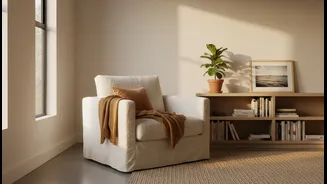
A common fear is that a minimalist home will feel cold or impersonal. But designing for habits actually leads to a more deeply personal space. A livable minimalist home should reflect the people who inhabit it. It’s not about having bare walls, but about choosing a few pieces of art that are meaningful to you and placing them where they can be appreciated. It’s about making room for your hobbies, whether that means a clear corner for your yoga mat or an accessible shelf for your books. A home that supports your daily rituals and passions is the opposite of impersonal. By prioritising function and habit, you are inherently personalising your space to your unique way of life, creating a sanctuary that is not only simple and organised but also warm, welcoming, and authentically yours.