


Makhana Kheer (Fox Nut Pudding)
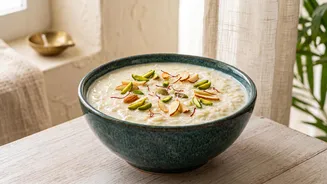
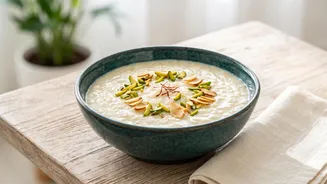
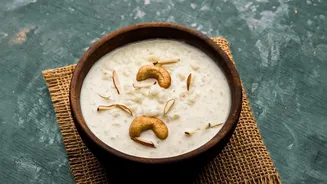
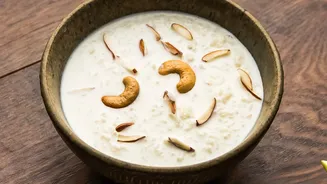
A quintessential vrat (fasting) recipe, Makhana Kheer is both nutritious and delicious. Made from puffed lotus seeds, it's a creamy, light dessert that’s a favourite offering for Krishna. The makhanas are roasted in ghee until crisp, then simmered in milk
until it thickens into a rich, pudding-like consistency. This kheer is loved for its unique texture, with some makhanas dissolving to thicken the kheer while others remain whole, providing a soft bite. Ingredients: 1 cup makhana (fox nuts), 1-litre full-fat milk, ½ cup sugar (or to taste), 1-2 tbsp ghee, ½ tsp cardamom powder, a pinch of saffron, and mixed nuts like almonds and pistachios for garnish. Method: Heat ghee in a pan and roast the makhanas on low heat for about 5-7 minutes until they are crisp. Set aside and lightly crush about half of them. In a heavy-bottomed pot, bring the milk to a boil. Add the crushed and whole makhanas, then simmer on low heat, stirring occasionally. Once the milk thickens (about 15-20 minutes), add sugar, cardamom powder, and saffron strands soaked in a little warm milk. Cook for another few minutes until the sugar dissolves. Garnish with chopped nuts and serve warm or chilled.
Mathura Ke Pede
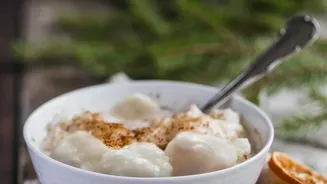
Originating from Krishna's birthplace, Mathura, these pedas are an iconic Janmashtami sweet. Unlike the common white doodh peda, Mathura ke Pede have a distinctive brownish colour and a caramelised, grainy texture. This comes from roasting khoya (milk solids) on low heat for an extended period until it turns a deep brown. It requires patience, but the resulting rich, nutty flavour is unparalleled. It is truly a special bhog for the occasion. Ingredients: 2 cups crumbled unsweetened khoya (mawa), 2-3 tbsp ghee, 1 cup 'boora' (or powdered sugar), plus extra for coating, ¼ cup milk (if needed), and 1 tsp cardamom powder. Method: In a heavy-bottomed pan, begin roasting the crumbled khoya on low-medium heat. As it starts to dry, add ghee and continue to stir continuously. Keep roasting for about 15-20 minutes, until the khoya turns a deep, even brown colour. Remove from heat and let it cool slightly. If the mixture is very dry, add a splash of milk. Once warm, add the boora and cardamom powder and mix until well combined. Knead the mixture briefly, then take small portions and shape them into round, slightly flattened pedas. Roll each peda in the extra boora for a classic finish.
Kalakand (Milk Cake)
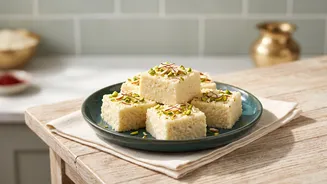
Kalakand is a soft, moist, and grainy milk cake that melts in your mouth. Traditionally made by reducing milk and sugar, a quicker version using paneer (Indian cottage cheese) and condensed milk makes it accessible for a last-minute festive preparation. Its pure, milky taste makes it a perfect sattvic offering for Janmashtami. The key is to achieve a granular texture, which comes from the crumbled paneer. Ingredients: 250g fresh paneer (crumbled or grated), 1 can (400g) sweetened condensed milk, ½ tsp cardamom powder, and chopped pistachios and almonds for garnish. Method: In a non-stick pan, combine the crumbled paneer and condensed milk. Cook the mixture on a low to medium flame, stirring continuously. As it cooks, the mixture will start to bubble and then thicken. Keep stirring for about 10-15 minutes until it leaves the sides of the pan and forms a soft mass. Turn off the heat and stir in the cardamom powder. Pour the mixture into a greased tray or plate. Garnish with chopped nuts, pressing them in gently. Let it set at room temperature for an hour or in the refrigerator for 30 minutes before cutting into squares.
Rabri (Thickened Sweet Milk)
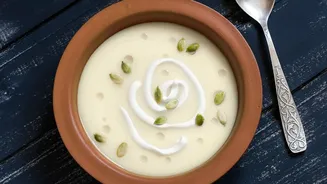
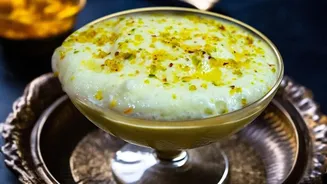
Rabri is a rich North Indian dessert made by simmering milk on low heat for a long time until it becomes dense and layers of cream (malai) are formed. Each layer of cream is skimmed off and stuck to the side of the pan. In the end, all the cream is scraped back into the reduced milk, giving Rabri its signature lumpy, layered texture. Flavoured with cardamom, saffron, and nuts, it’s a decadent sweet that can be offered on its own or served with other sweets like jalebi or malpua. Ingredients: 1.5 litres full-fat milk, 4-5 tbsp sugar, ½ tsp cardamom powder, a few strands of saffron, and chopped nuts (almonds, pistachios) for garnish. Method: Pour the milk into a wide, heavy-bottomed pan and bring it to a boil. Reduce the heat to low and let it simmer. As a layer of cream forms on top, gently move it to the side of the pan with a spatula. Continue this process, collecting the layers of cream on the sides. Keep stirring the milk at the bottom occasionally to prevent it from scorching. When the milk has reduced to about half its original volume, add sugar, cardamom powder, and saffron. Scrape the collected cream layers from the sides and mix them back into the milk. Simmer for another 5-10 minutes. Let it cool, and it will thicken further. Garnish with nuts before serving.
Dhaniya Panjiri
A unique and traditional prasad specifically made for Janmashtami, Dhaniya Panjiri is a mix of coriander powder, ghee, nuts, and powdered sugar. This is a no-cook sweet in a way, as the main ingredient, coriander powder, is simply roasted in ghee until aromatic. It's often served with charanamrit (a mix of milk, yogurt, honey, ghee, and sugar) and sliced bananas. While there are other versions like Atta Panjiri, the one with dhaniya (coriander) is especially significant for this festival. Ingredients: 1 cup coriander powder, ½ cup powdered sugar, ½ cup grated dry coconut, ¼ cup mixed nuts (almonds, cashews), ¼ cup makhana, and 2-3 tbsp ghee. Method: Heat ghee in a pan. Roast the makhanas and nuts until golden and crisp, then set aside. You can coarsely crush them once cooled. In the same pan, add a little more ghee and roast the coriander powder on a low flame for about 5-7 minutes until it becomes fragrant and changes colour slightly. Be careful not to burn it. Turn off the heat and let it cool completely. Once cooled, combine the roasted coriander powder, powdered sugar, grated coconut, and roasted nuts in a bowl. Mix everything well. Your Dhaniya Panjiri is ready to be offered as bhog.