





Prioritise Safe Drinking Water
The risk of water-borne diseases like typhoid, cholera, and jaundice spikes during the monsoon due to contamination of water sources. The simplest defence is to ensure the water you drink is purified. Boiling water for at least 10-15 minutes is the most
reliable method. If you use a water purifier, ensure its filters are cleaned or changed regularly, as the increased sediment in tap water can clog them faster. Avoid drinking water from any unverified source when you're outside. Carry your own water bottle to stay hydrated and safe. Even when ordering drinks at restaurants, it's wiser to opt for bottled water or hot beverages like tea and coffee.
Fortify Your Immunity with the Right Diet
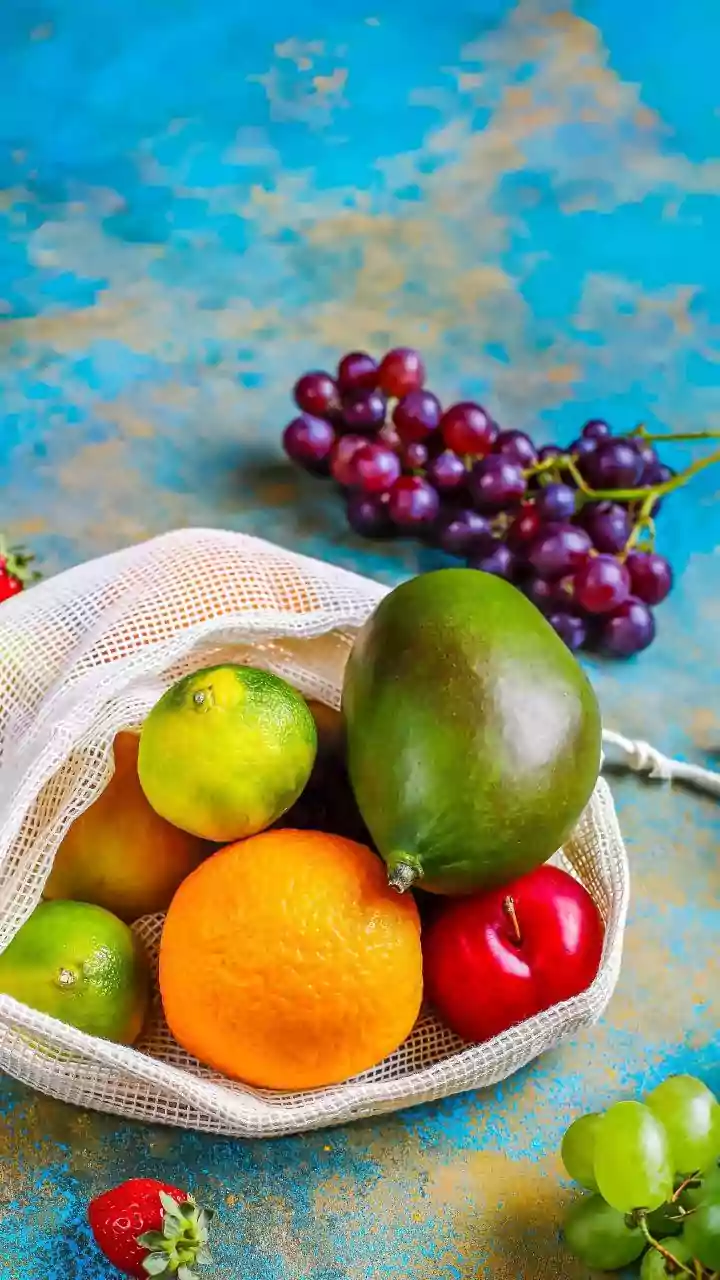
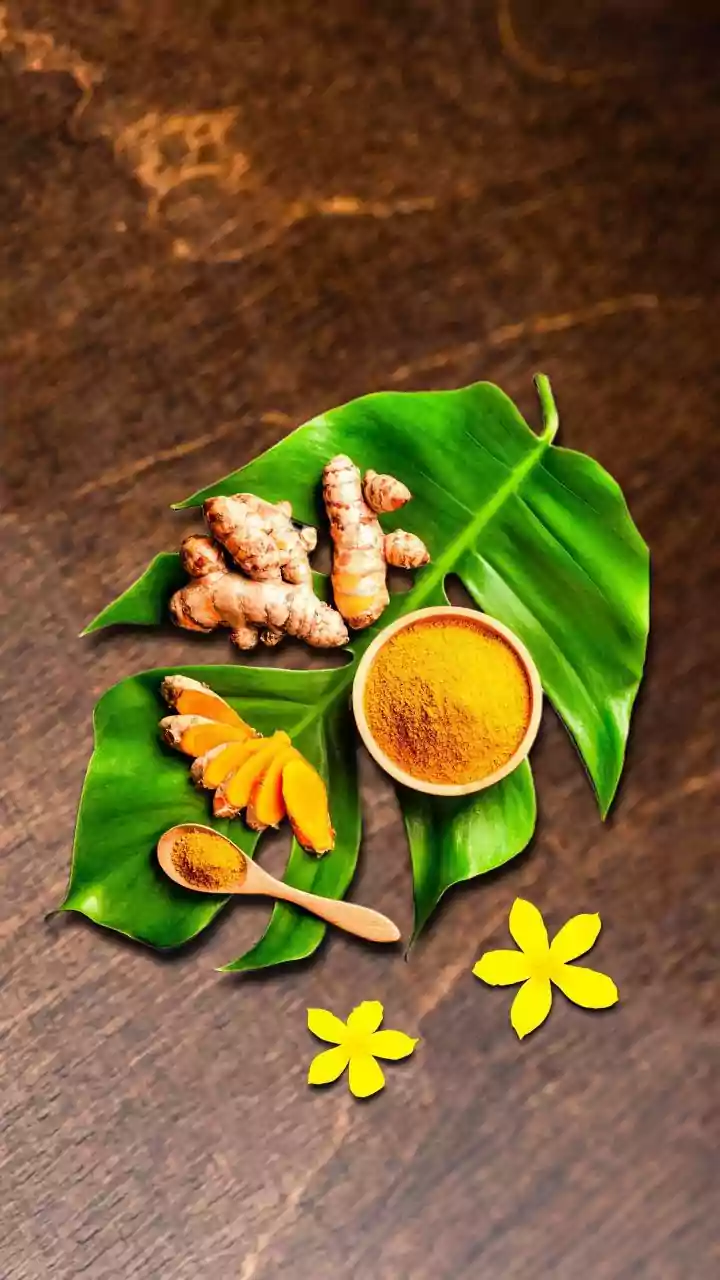
A strong immune system is your best shield against seasonal infections. Focus on a balanced diet rich in vitamins and minerals. Include plenty of Vitamin C-rich foods like amla, oranges, and lemons, as they help fight off infections. Traditional Indian spices like turmeric (haldi), ginger (adrak), and garlic (lehsun) have powerful antimicrobial and anti-inflammatory properties; add them generously to your cooking. Probiotic-rich foods like homemade curd (dahi) support gut health, which is crucial for overall immunity. It's also wise to opt for lighter, easily digestible meals. Avoid heavy, oily, and fried foods that can tax your digestive system, which is often weaker during this season.
Be Cautious with Street Food
As tempting as a hot plate of pakoras or a spicy chaat may be on a rainy day, street food poses a significant health risk during the monsoon. The high humidity allows bacteria to multiply rapidly, and the water and raw ingredients used may be contaminated. Items like chutneys, pre-cut fruits, and golgappa water are particularly high-risk. If you must indulge, choose vendors who practice good hygiene, cook food fresh in front of you at high temperatures, and avoid anything that has been sitting out for a while. A safer alternative is to recreate your favourite street food snacks at home.
Declare War on Mosquitoes
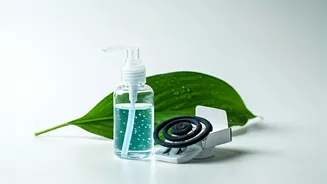
The monsoon is peak breeding season for mosquitoes, which spread diseases like dengue, malaria, and chikungunya. Prevention starts at home. Don't let water stagnate anywhere in or around your house. Regularly check and empty flower pot trays, old tyres, air cooler reservoirs, and any open containers. Use mosquito nets, especially for children and the elderly. Apply a reliable mosquito repellent when you step outside, particularly during dawn and dusk when mosquitoes are most active. Wearing light-coloured, full-sleeved clothing can also provide a physical barrier against bites.
Elevate Your Personal Hygiene
High humidity and dampness create a perfect environment for fungal and bacterial growth. Pay extra attention to personal hygiene. Take a shower with antiseptic soap after getting drenched in the rain. Keep your skin, especially folds like underarms and between the toes, clean and dry to prevent fungal infections. Your feet are particularly vulnerable. Avoid walking through stagnant water. When you get home, wash your feet thoroughly with soap and water and dry them completely. Wear open-toed, breathable footwear like sandals or floaters instead of closed shoes that can trap moisture.
Handle Fresh Produce with Care
Leafy green vegetables can be tricky during the monsoon. The damp, muddy conditions they grow in make them prone to contamination with dirt and germs. While they are nutritious, it's best to be extra cautious. If you do buy them, wash them thoroughly in clean running water, followed by a soak in a solution of salt water or potassium permanganate. Alternatively, focus on seasonal gourds and vegetables like lauki (bottle gourd), tinda (apple gourd), and parwal (pointed gourd), which are safer and easier to clean. Raw salads should generally be avoided unless you can be certain of the hygiene standards during preparation.