




Swap Refined Grains for Whole Grains
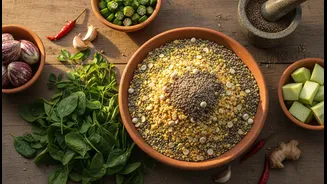
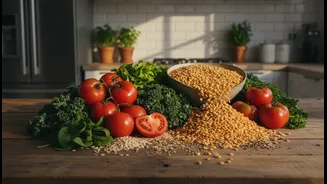
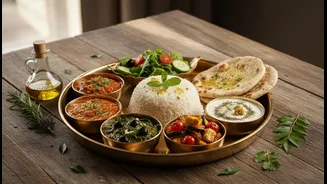
One of the most impactful changes you can make is switching from refined grains to whole grains. Instead of white bread, maida, and white rice, opt for their whole-grain counterparts like whole wheat atta, brown rice, oats, and millets like ragi and jowar.
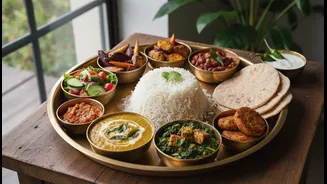
Whole grains retain all parts of the grain—the bran, germ, and endosperm—which are packed with fiber, vitamins, and minerals. This high fiber content helps you feel full for longer, aids digestion, and helps maintain steady blood sugar levels, preventing the sharp spikes and crashes associated with refined carbs. Making whole-wheat rotis instead of naan, or choosing brown rice for your next meal are simple yet powerful swaps.
Swap Packaged Snacks for Whole Foods
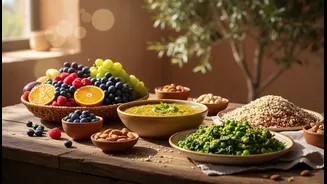
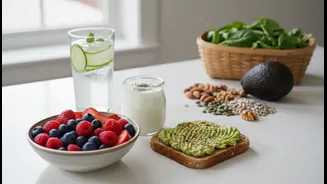
When the 4 PM hunger pangs strike, it's easy to reach for a bag of chips or biscuits. A simple swap is to replace these highly processed snacks with whole foods. Think roasted makhana (fox nuts), a handful of nuts like almonds or walnuts, roasted chana (chickpeas), or fresh fruit. Packaged snacks are often high in sodium, unhealthy fats, and empty calories. In contrast, whole food snacks provide sustained energy along with essential nutrients and fiber. A bowl of sprouts chaat is another excellent option that is both delicious and packed with protein.
Swap Sugary Drinks for Healthier Sips
Liquid calories are often overlooked but can significantly impact your health. Sugary sodas, packaged fruit juices, and sweetened teas contribute a large amount of sugar to our diets. Instead, hydrate with healthier alternatives. Infused water—with slices of lemon, cucumber, or mint—is a refreshing choice without any calories. Other fantastic Indian options include fresh coconut water, unsweetened buttermilk (chaas), or a glass of unsweetened green tea. These choices not only cut down on sugar but also offer additional benefits like electrolytes from coconut water and probiotics from buttermilk.
Swap Deep-Frying for Lighter Cooking
Indian cuisine is famous for its delicious fried snacks, but frequent consumption can be detrimental to health. Reducing oil doesn't mean sacrificing flavor. Many dishes traditionally deep-fried can be cooked using other methods like baking, air-frying, roasting, or grilling. For example, instead of deep-frying samosas or tikkis, try baking them in an oven or using an air fryer with a light spritz of oil. When making sabzis, use non-stick cookware to reduce the amount of oil needed. You can also use water or vegetable stock to sauté masalas instead of adding more oil when things start to stick.
Swap Store-Bought Sauces for Homemade
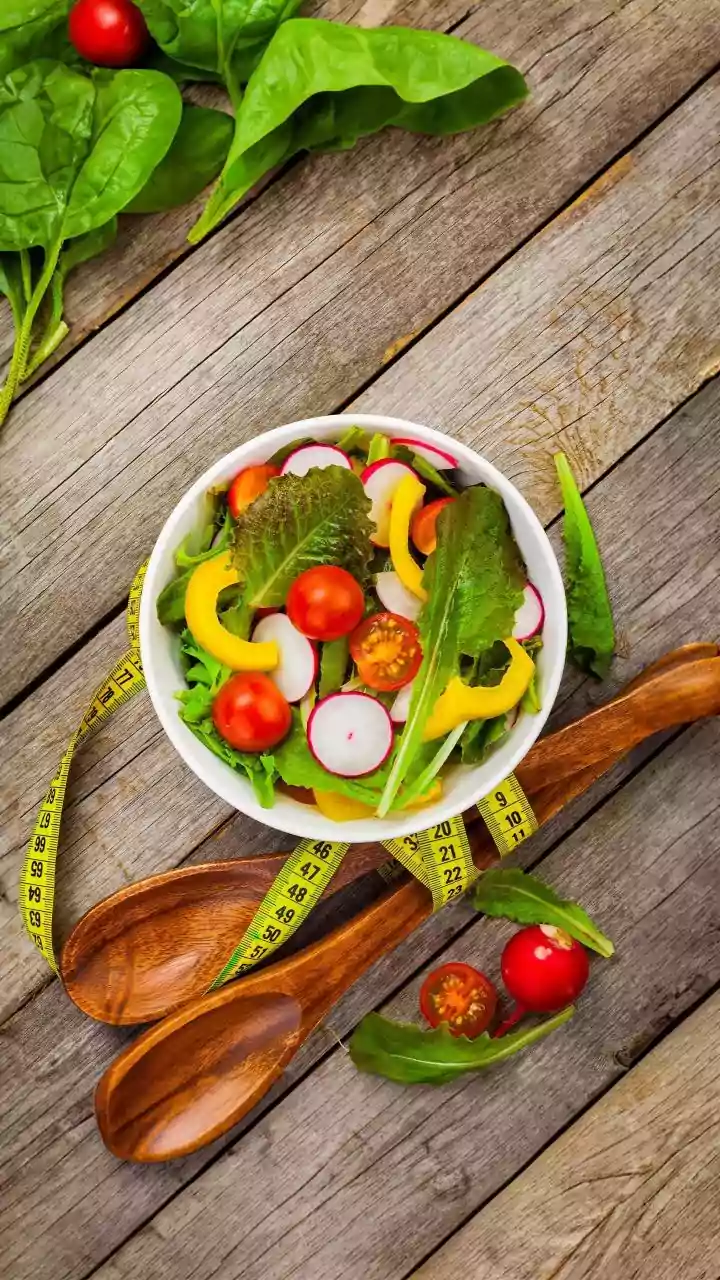
Bottled salad dressings, ketchups, and various cooking sauces can be hidden sources of sugar, sodium, and preservatives. A healthier and often tastier alternative is to make your own at home. Swap creamy, store-bought salad dressings for a simple vinaigrette made with olive oil, lemon juice, and a pinch of salt. Instead of sugary ketchup, try a fresh tomato or mint-coriander chutney. For creamy textures in curries, use yogurt or a paste of soaked nuts instead of heavy creams. These homemade versions give you complete control over the ingredients.
Swap Mindless Eating for Mindful Meals
This final swap is less about what you eat and more about how you eat. In our busy lives, we often eat while distracted—watching TV, scrolling on our phones, or working at our desks. This mindless eating can lead to overeating because we don't pay attention to our body's fullness cues. Try to eat at least one meal a day without distractions. Pay attention to the colors, smells, and textures of your food. Chew slowly and savor each bite. This practice not only enhances enjoyment but also helps you recognize when you are genuinely full, reducing the tendency to overeat and fostering a healthier relationship with food.