




Why Monsoon Demands a New Shopping Plan
The core problem during the rainy season is moisture. High humidity creates the perfect breeding ground for bacteria, mould, and other pathogens on our food. This means perishable items spoil much more quickly than in drier months, and the risk of foodborne
illnesses like gastroenteritis and cholera rises significantly. Making simple adjustments to how you shop—buying less but more often, and being selective about what you buy—is one of the most effective ways to protect your household's health and reduce food waste.
Buy Less, More Often
While buying in bulk can feel economical, it's a risky strategy during the monsoon for fresh produce. Leafy greens, milk, and dairy products spoil incredibly quickly in humid weather. Instead of a large weekly shop, aim for smaller, more frequent trips to the market. Purchase only what you are confident you can consume within a day or two, especially when it comes to delicate items. This minimises the chance of spoilage and ensures you are always cooking with the freshest possible ingredients.
Prioritise Whole, Uncut Produce
That conveniently pre-cut pineapple or bag of salad mix might seem like a time-saver, but it's a significant food safety risk during the monsoon. Once the protective skin of a fruit or vegetable is broken, its surface is exposed to airborne bacteria and contamination, which multiply rapidly in the damp air. Always opt for whole fruits and vegetables. Wash them thoroughly under running water and cut them yourself just before you plan to eat or cook them to minimise exposure to germs.
Handle Leafy Greens with Extra Care
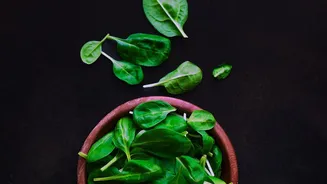
Leafy vegetables like spinach, cabbage, and lettuce are particularly notorious for harbouring dirt and germs during the monsoon. They grow close to the ground and can be easily contaminated by muddy, unclean water. If you do buy them, inspect each bunch carefully for signs of decay and wash them meticulously. A good practice is to soak them in a bowl of water with a little salt or vinegar for about 15 minutes before rinsing them again under clean, running water. Many experts suggest limiting their consumption or switching to gourds like lauki and karela, which are hardier monsoon vegetables.
Rethink Your Meat and Seafood Purchases
The monsoon is the breeding season for many types of fish, which can increase the risk of contamination. High humidity also means bacteria can multiply faster on both meat and seafood, increasing the risk of foodborne illness. If you choose to buy meat or fish, be extra vigilant. Purchase only from clean, reputable vendors you trust. Store it in the coldest part of your refrigerator and ensure it is cooked thoroughly to a safe internal temperature on the day of purchase, or within one day at most.
Stock Up on Dry Staples Smartly
While fresh items require caution, the monsoon is a good time to ensure your pantry is well-stocked with dry essentials. Lentils, pulses, rice, and atta are less prone to immediate spoilage. However, they are not immune to the damp. Buy them in reasonable quantities and transfer them immediately from bags into clean, dry, airtight containers to protect them from moisture and pests like weevils. Adding a few dried bay leaves to grain containers is a traditional trick to help keep pests away.