




What Exactly Is Pazhanthanji?
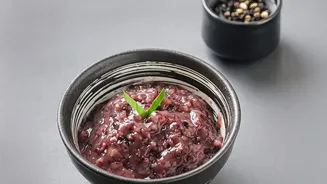
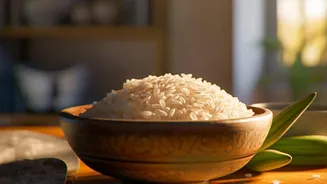
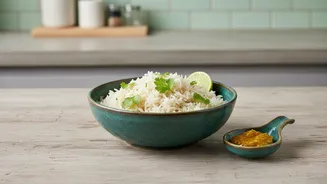
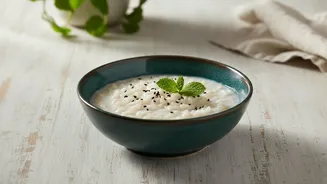
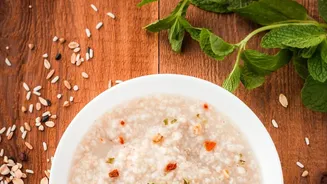
At its heart, Pazhanthanji (also known as Pazhaya Soru or Neeragaram in parts of India) is the definition of humble food. It’s simply cooked rice, typically leftovers, soaked in water and left to ferment in a clay pot overnight at room temperature. The
next morning, this slightly sour, softened rice and its cloudy liquid are traditionally mashed and consumed, often with simple additions like salt, shallots, or yogurt. For generations, it was the go-to breakfast for farmers and laborers in South India, prized for providing sustained energy for a hard day's work. What was once a meal of thrift is now being seen through a modern lens for its incredible nutritional properties.
The Magic of Fermentation
The overnight soaking process is where the transformation happens. This isn’t just soggy rice; it’s a living food. Natural, beneficial bacteria like Lactobacillus begin a process of lactic acid fermentation. This process does several amazing things. First, it acts as a natural preservative. Second, it starts breaking down the complex starches and anti-nutrients (like phytic acid) in the rice. This breakdown makes the rice easier to digest and, crucially, increases the bioavailability of its nutrients. This means your body can more easily absorb essential minerals like iron, potassium, and calcium that are locked within the grain.
A Probiotic Powerhouse for Gut Health
The most significant benefit of this fermentation is the creation of probiotics—live, beneficial bacteria that support a healthy gut microbiome. A thriving gut is the foundation of overall wellness, impacting everything from your immune system to your mood. For anyone focused on fitness, gut health is paramount. A balanced gut helps reduce inflammation and improves your body's ability to absorb the nutrients from everything else you eat, including protein and other supplements. Research increasingly shows that a healthy gut microbiome can lead to better recovery, reduced fatigue, and even a stronger immune response to intense training.
Fueling Performance and Recovery
While some fitness trends villainize carbohydrates, smart athletes know they are essential for energy. Pazhanthanji offers a superior form of carbohydrate fuel. The fermentation process can help lower the glycemic impact, providing a more stable and sustained release of energy rather than a sharp sugar spike. This makes it a great option for a pre-workout meal. Furthermore, fermentation boosts the levels of B-complex vitamins, including B12 and B6, which are vital for energy metabolism. The enhanced availability of minerals like potassium and magnesium also helps with hydration and muscle function, making it a compelling choice for post-workout recovery to replenish what you’ve lost.
How to Add It to Your Diet
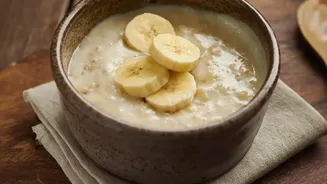
Incorporating this ancient superfood is surprisingly simple. You can make your own by soaking leftover cooked rice (preferably a day old) in water overnight. In the morning, mash it slightly and drink the liquid or eat the porridge. To make it a more complete meal that supports muscle repair, consider adding a protein source on the side, like eggs or lentils, as the porridge itself is low in protein. While traditionally eaten in the morning, its easy digestibility and energy-providing properties make it suitable before a workout or as a light, restorative meal later in the day. Start with small portions to see how your body responds to the new probiotic input.