




The Unseen Time Tax
Think of it as a 'time tax' on every activity outside your immediate neighbourhood. A three-hour concert is no longer just three hours. In cities like Mumbai or Bengaluru, you might add another three to four hours for the round trip. Suddenly, a simple
evening out has consumed your entire day. This hidden time commitment is a reality for millions. What should be a joyful, manageable event morphs into a logistical challenge, forcing us to weigh our desire for social connection against the sheer exhaustion of travel. This isn't just an inconvenience; it's a fundamental drain on our most limited resource: time.
The Reality of Urban Travel
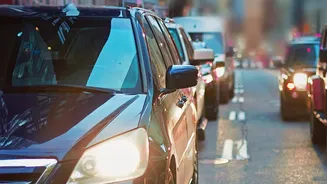
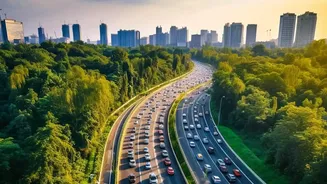
Data paints a stark picture of why this time tax is so high. According to the TomTom Traffic Index, Bengaluru and Pune rank among the most congested cities not just in India, but globally. In Bengaluru, commuters lose an estimated 168 hours annually to traffic during peak times. In Mumbai, a peak-hour car commute can easily stretch from 60 to 90 minutes each way. Even with expanding metro networks, last-mile connectivity often remains a challenge, adding significant time to the journey. For example, a 14-kilometre commute in Bengaluru that should take 30 minutes can often turn into a 90-minute ordeal. This isn't just about getting to work; it's the baseline for any travel across the city, making every outing a significant time investment.
The Social Cost of Congestion
The consequences of this time tax extend deep into our social fabric. When attending a friend's housewarming or a family gathering requires a multi-hour travel expedition, the likelihood of saying 'yes' decreases. Spontaneity dies. Casual get-togethers become meticulously planned operations. Studies and social commentary increasingly point to how traffic congestion leads to social isolation. People spend less time with family and friends, and the constant stress of navigating traffic can lead to fatigue and frustration, diminishing the quality of the time we do spend together. Our social circles may inadvertently shrink to our immediate geographical area, not by choice, but by the sheer impracticality of travel.
The Financial Drain
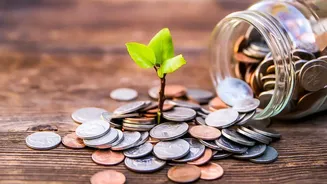
Beyond time, the economic cost is substantial. Every trip incurs expenses, whether it's fuel for a personal vehicle, the surging price of a ride-hailing app, or public transport fares. The cost of attending a 'free' event like a festival or a visit to a public park is never truly zero. For many, this added financial burden can be a significant barrier. A report by the Boston Consulting Group estimated that traffic congestion in Delhi, Mumbai, Bengaluru, and Kolkata costs the economy ₹1.47 lakh crores annually, a macro-level figure that translates into real money out of individuals' pockets through wasted fuel and lost productivity. This hidden expense turns every event into a financial decision, further complicating our social choices.
Rethinking Our Social Map
The rise of remote work and virtual gatherings offered a temporary reprieve, proving that connection is possible without travel. However, they can't replace the experience of sharing a meal, attending a live performance, or celebrating a milestone in person. The challenge, then, is not to abandon cross-city events but to become more intentional about our time. This might mean exploring more local community events, organising get-togethers at mutually convenient midway points, or simply acknowledging the significant effort friends and family make to show up. It also highlights the critical need for better urban planning that prioritizes efficient, multi-modal public transport to give citizens back their time.