





Swap Unending Crowds for Unbroken Calm
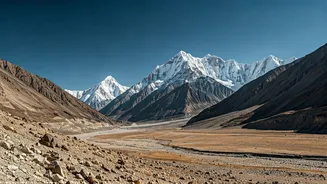
Picture this: a traffic jam leading to a popular hill station like Manali or Shimla, where the sheer volume of visitors can feel overwhelming. [28, 37] Now, contrast that with the vast, tranquil landscapes of Spiti Valley in Himachal Pradesh. [10] Spiti,
a high-altitude desert mountain valley, offers a profound sense of peace with its dramatic landscapes, ancient monasteries, and sparse population. [10, 30] Instead of navigating through a sea of tourists, you could be trekking through silent valleys, listening to the wind, and watching the stars in a sky untainted by city lights. [16] The experience is not just about seeing a new place, but about finding the mental space to breathe and reset. [14]
Discover Authentic Culture, Not Tourist Traps
Overcrowded destinations often feature a commercialised version of local culture tailored for tourist consumption. [12, 22] In contrast, remote mountain regions offer a chance to engage with life as it is truly lived. Consider Tawang in Arunachal Pradesh. [11] This beautiful land, home to the Monpa tribe, is dotted with ancient monasteries, including the largest in India. [25, 26] Here, you can experience unique festivals like Losar and Torgya, interact with hospitable locals, and gain insight into a rich Buddhist heritage that has endured for centuries. [11, 25] It’s an opportunity to connect with a place on a deeper level, far from the souvenir shops and staged photo opportunities of mainstream locations. [19]
Embrace Real Adventure Over Packaged Fun
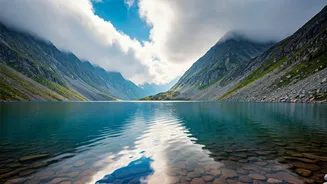
While popular spots might offer a checklist of activities, mountain escapes provide a canvas for genuine adventure. The definition of adventure here is broad and personal. It could be a challenging trek to the Chandratal Lake in Spiti or river rafting in the Tirthan Valley. [16, 18] It might be as simple as exploring the remote villages of the Zanskar Valley in Ladakh, one of the most desolate and beautiful regions in the Himalayas. [5] These experiences build resilience and create lasting memories in a way that a crowded amusement park or a packed beach rarely can. The mountains challenge you physically and reward you with unparalleled views and a powerful sense of accomplishment. [14, 33]
Enjoy a True Digital Detox
In many popular tourist centres, the pressure to stay connected and post every moment is palpable. Mountain destinations often provide a welcome respite from this. In places like the Gurez Valley in Kashmir or quiet corners of Uttarakhand like Kanatal, patchy internet connectivity becomes a feature, not a flaw. [6, 21] It encourages you to put your phone down and be present. Instead of scrolling through feeds, you can engage in conversations, read a book, or simply watch a sunset without the urge to capture it for an audience. This disconnection is a powerful tool for reducing stress and anxiety, allowing for a more profound sense of relaxation and mental clarity. [14, 20]
Protect Fragile Ecosystems by Choosing Wisely
Many of India's most famous tourist destinations are groaning under the pressure of overtourism, leading to environmental degradation, waste management crises, and strain on local resources like water. [8, 34, 37] By opting for less-travelled mountain locales, you are making a more sustainable choice. These offbeat areas, like Barot Valley in Himachal or Ziro Valley in Arunachal Pradesh, benefit from mindful tourism that respects the local environment and culture. [9, 6] Your visit can support local homestays and economies directly, without contributing to the ecological damage that plagues hotspots. It’s a way to ensure that the beauty you travel to see is preserved for generations to come. [15, 22]