

The Real Cost of Kitchen Waste
Every time you throw away food, you're also throwing away the money you spent on it. While individual scraps seem insignificant, studies show that household food waste can cost a family a substantial amount of money each year. This isn't just about the food that spoils
in the fridge; it's also about the perfectly edible parts of ingredients we've been conditioned to discard. Adopting a zero-waste mindset means rethinking what we consider 'waste' and learning to use every part of the food we buy. It's a simple shift that benefits your budget and the environment by reducing the resources wasted in producing and transporting food that ultimately ends up in a landfill.
Give Your Peels a Second Chance
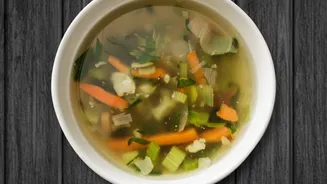
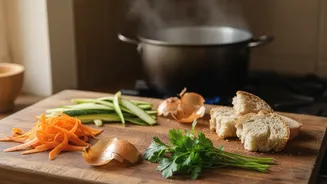
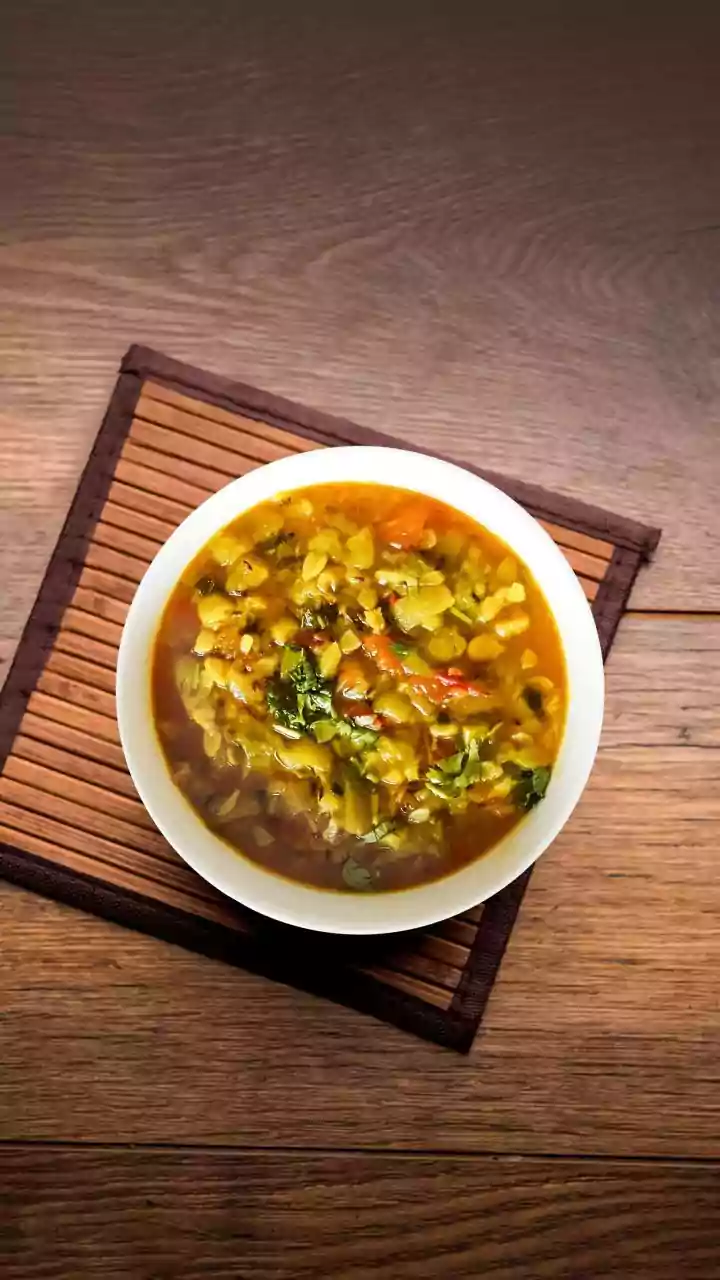
Vegetable peels are packed with flavour and nutrients, yet they are often the first thing to go in the bin. Instead of discarding them, give them a new life. Potato, carrot, and sweet potato peels can be tossed in a little oil and spices, then baked until crispy for a homemade snack. Collect onion skins, carrot peels, and celery ends in a bag in your freezer. Once you have a good amount, simmer them in water with a bay leaf to create a flavourful, free vegetable stock that's perfect for soups and risottos. Even citrus peels can be dried and ground into a powder to add a zesty kick to seasonings, or boiled with sugar and water to create a syrup for drinks.
Don’t Discard Those Stems
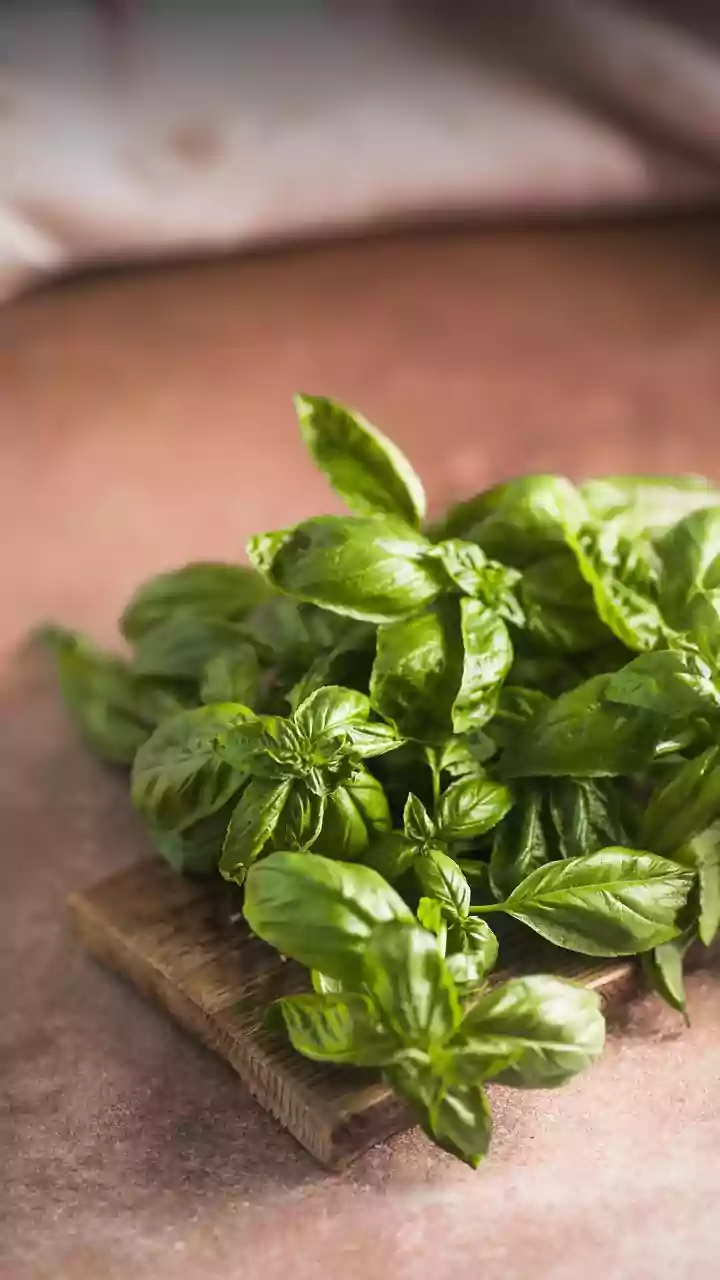
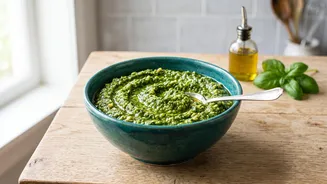
The stems of fresh herbs like coriander, parsley, and basil are just as flavourful as the leaves. Finely chopped, these tender stems can be added directly to salads, omelettes, and dips for an extra burst of freshness. They are also a perfect addition to green chutneys, pesto, or chimichurri, adding bulk and flavour without extra cost. For herbs with woody stems, like rosemary or thyme, use them to infuse oils or vinegars. You can also toss them onto the grill to create an aromatic smoke for barbecued dishes or use a sturdy rosemary stem as a flavourful skewer for kebabs.
The Power of Stale Bread
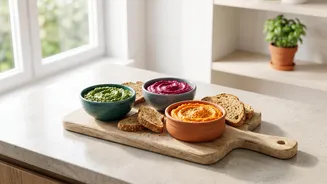
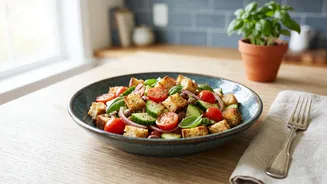
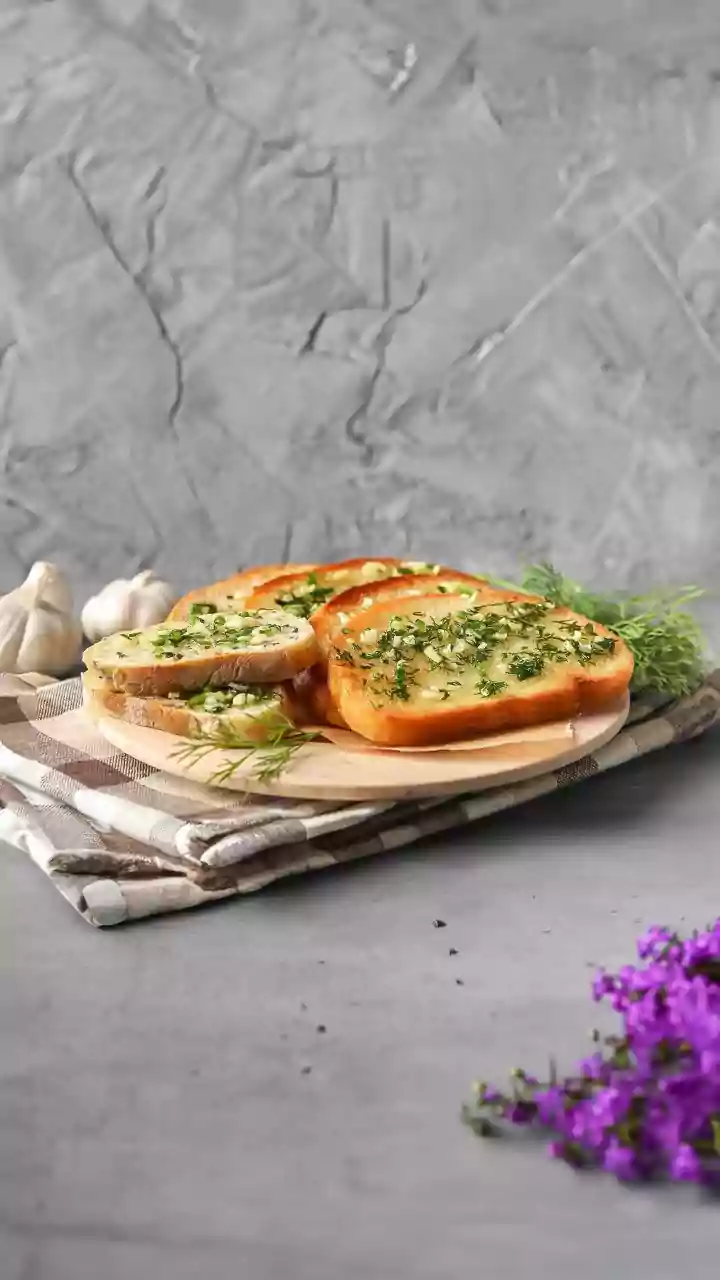
Stale bread is far from useless; it's a versatile ingredient waiting to be transformed. The most common use is to make homemade croutons or breadcrumbs. Simply cube or process the bread, toss with oil and seasonings, and bake until golden. These are far superior to store-bought versions and cost next to nothing. Stale bread is also the ideal base for dishes that need to soak up liquid, such as French toast, bread pudding, or a savoury breakfast casserole. For a classic Italian approach, use chunks of stale bread to make Panzanella, a refreshing salad with tomatoes, onions, and a vinaigrette dressing.
Making It a Habit
Integrating zero-waste cooking into your routine doesn't require a complete kitchen overhaul. Start small. Dedicate a container in your freezer for vegetable scraps destined for stock. Before you toss a stale loaf, think about whether it could become croutons for the week's salads. This approach is not about perfection; it's about being mindful and creative with the resources you have. By making small, intentional changes, you become a more resourceful cook, discovering new flavours and techniques while ensuring you get the full value out of every grocery purchase. The more you practice using your 'scraps,' the more natural it will become.